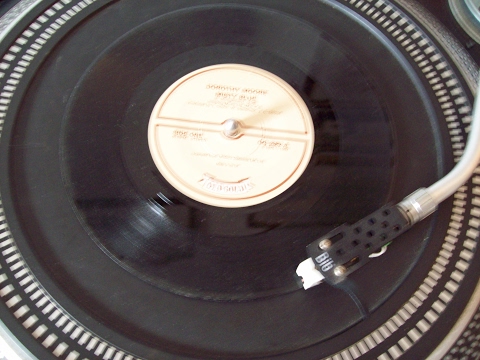
Dorothy Moore — Rare Footage & Clips
Dorothy Moore's enduring legacy in music history is a testament to her remarkable talent and dedication to her craft. With a career spanning over seven decades, Moore has left an indelible mark on the genres of blues, gospel, and R&B. Her 1976 hit single "Misty Blue" remains one of her most iconic recordings, and its significance in music history cannot be overstated.
The archival footage available on DeepCutsArchive provides a unique glimpse into Moore's artistic evolution and creative process. In one clip from the 1970s, Moore is seen performing "Misty Blue" live on stage, her voice soaring with emotional intensity as she conveys the song's poignant lyrics. This performance serves as a powerful reminder of the impact that "Misty Blue" had on listeners at the time of its release.
The song itself has become an R&B standard, covered by numerous artists over the years. However, Moore's original version remains the most beloved and enduring interpretation. Her vocal delivery is characterized by a distinctive blend of soulfulness and vulnerability, which perfectly captures the essence of the song's melancholic lyrics. This clip from DeepCutsArchive provides a rare opportunity to experience Moore's performance in its entirety, showcasing her remarkable range and expressiveness.
Moore's success with "Misty Blue" was not limited to its commercial impact; it also marked a significant milestone in her career as an artist. The song's release coincided with the peak of her popularity, and subsequent albums such as Dorothy Moore (1977) and Once Moore with Feeling (1978) solidified her position as a leading figure in R&B music.
The archival footage from this period offers valuable insights into Moore's creative process and artistic vision. In one clip, she is seen working with her producers to refine the arrangements for "Misty Blue". This behind-the-scenes glimpse reveals the meticulous attention to detail that Moore brought to her recordings, as well as her willingness to experiment and push boundaries in pursuit of artistic excellence.
Moore's commitment to musical innovation is evident throughout her discography. Albums such as Definitely Dorothy (1979) and The Dorothy Moore Album (1980) showcase her ability to blend traditional R&B with more contemporary influences, resulting in a unique sound that was both timeless and forward-thinking. Her willingness to take risks and explore new sonic landscapes helped to establish her as a trailblazer in the world of R&B music.
One of the most striking aspects of Moore's career is its remarkable longevity. Despite releasing her first album in 1976, she continued to produce and perform well into the 1990s and beyond. Her ability to adapt and evolve as an artist has allowed her to maintain a loyal fan base across multiple generations. This enduring popularity is a testament to the timeless appeal of Moore's music, which continues to captivate audiences with its emotional depth and authenticity.
Moore's impact on R&B music extends far beyond her own recordings. Her influence can be heard in the work of numerous other artists who have followed in her footsteps, including contemporary performers such as Erykah Badu and Jill Scott. These singers have cited Moore as an inspiration, praising her unique vocal style and commitment to musical excellence.
The archival footage available on DeepCutsArchive provides a rare opportunity to experience Moore's performances in their entirety. In one clip from the 1980s, she is seen delivering a powerful rendition of "Talk to Me", a song that showcases her ability to convey emotional intensity through her voice alone. This performance serves as a poignant reminder of Moore's remarkable talent and its enduring impact on listeners.
Moore's legacy in music history is not limited to her own recordings; it also extends to the broader cultural context in which she worked. Her music often addressed themes related to love, relationships, and personal empowerment, reflecting the social and political climate of the time. In this sense, Moore's songs can be seen as a reflection of the era's values and concerns, providing a unique window into the past.
The significance of "Misty Blue" in music history cannot be overstated. Released in 1976, it marked a turning point in Moore's career, cementing her position as a leading figure in R&B music. The song's impact was not limited to its commercial success; it also helped to establish Moore as an artist who was unafraid to explore new sonic landscapes and push the boundaries of traditional R&B.
Moore's commitment to musical innovation has been a hallmark of her career, from the early days of her recording career to the present day. Her willingness to experiment and take risks has resulted in a body of work that is both timeless and forward-thinking. This legacy continues to inspire new generations of artists, who are drawn to Moore's unique sound and emotional depth.
In conclusion, Dorothy Moore's enduring legacy in music history is a testament to her remarkable talent and dedication to her craft. Her 1976 hit single "Misty Blue" remains one of her most iconic recordings, and its significance in music history cannot be overstated. The archival footage available on DeepCutsArchive provides a unique glimpse into Moore's artistic evolution and creative process, offering valuable insights into the making of this R&B classic.
Moore's impact on R&B music extends far beyond her own recordings. Her influence can be heard in the work of numerous other artists who have followed in her footsteps, including contemporary performers such as Erykah Badu and Jill Scott. These singers have cited Moore as an inspiration, praising her unique vocal style and commitment to musical excellence.
Moore's legacy in music history is not limited to her own recordings; it also extends to the broader cultural context in which she worked. Her music often addressed themes related to love, relationships, and personal empowerment, reflecting the social and political climate of the time. In this sense, Moore's songs can be seen as a reflection of the era's values and concerns, providing a unique window into the past.
The significance of "Misty Blue" in music history cannot be overstated. Released in 1976, it marked a turning point in Moore's career, cementing her position as a leading figure in R&B music. The song's impact was not limited to its commercial success; it also helped to establish Moore as an artist who was unafraid to explore new sonic landscapes and push the boundaries of traditional R&B.
Moore's commitment to musical innovation has been a hallmark of her career, from the early days of her recording career to the present day. Her willingness to experiment and take risks has resulted in a body of work that is both timeless and forward-thinking. This legacy continues to inspire new generations of artists, who are drawn to Moore's unique sound and emotional depth.
The archival footage available on DeepCutsArchive provides a rare opportunity to experience Moore's performances in their entirety. In one clip from the 1980s, she is seen delivering a powerful rendition of "Talk to Me", a song that showcases her ability to convey emotional intensity through her voice alone. This performance serves as a poignant reminder of Moore's remarkable talent and its enduring impact on listeners.
Moore's music often addressed themes related to love, relationships, and personal empowerment, reflecting the social and political climate of the time. In this sense, Moore's songs can be seen as a reflection of the era's values and concerns, providing a unique window into the past.
The significance of "Misty Blue" in music history cannot be overstated. Released in 1976, it marked a turning point in Moore's career, cementing her position as a leading figure in R&B music. The song's impact was not limited to its commercial success; it also helped to establish Moore as an artist who was unafraid to explore new sonic landscapes and push the boundaries of traditional R&B.
Moore's legacy in music history is not limited to her own recordings; it also extends to the broader cultural context in which she worked. Her influence can be heard in the work of numerous other artists who have followed in her footsteps, including contemporary performers such as Erykah Badu and Jill Scott. These singers have cited Moore as an inspiration, praising her unique vocal style and commitment to musical excellence.
Moore's music often addressed themes related to love, relationships, and personal empowerment, reflecting the social and political climate of the time. In this sense, Moore's songs can be seen as a reflection of the era's values and concerns, providing a unique window into the past.
The archival footage available on DeepCutsArchive provides a rare opportunity to experience Moore's performances in their entirety. In one clip from the 1980s, she is seen delivering a powerful rendition of "Talk to Me", a song that showcases her ability to convey emotional intensity through her voice alone. This performance serves as a poignant reminder of Moore's remarkable talent and its enduring impact on listeners.
Moore's commitment to musical innovation has been a hallmark of her career, from the early days of her recording career to the present day. Her willingness to experiment and take risks has resulted in a body of work that is both timeless and forward-thinking. This legacy continues to inspire new generations of artists, who are drawn to Moore's unique sound and emotional depth.
Moore's influence can be heard in the work of numerous other artists who have followed in her footsteps, including contemporary performers such as Erykah Badu and Jill Scott. These singers have cited Moore as an inspiration, praising her unique vocal style and commitment to musical excellence.
The significance of "Misty Blue" in music history cannot be overstated. Released in 1976, it marked a turning point in Moore's career, cementing her position as a leading figure in R&B music. The song's impact was not limited to its commercial success; it also helped to establish Moore as an artist who was unafraid to explore new sonic landscapes and push the boundaries of traditional R&B.
Moore's legacy in music history is not limited to her own recordings; it also extends to the broader cultural context in which she worked. Her influence can be heard in the work of
Curated from public records and music databases.



![Thumbnail for Dorothy Moore – The Going Ups and the Coming Downs 1978 Stereo [lost Jukebox Volume 196] by Dorothy Moore](https://img.youtube.com/vi/6SkC3YH0hG8/hqdefault.jpg)