Deborah Henson-Conant — Rare Footage & Clips
Deborah Henson-Conant's trailblazing career as a harpist and composer has left an indelible mark on the music landscape. With a tenure spanning over six decades, her innovative approach to the instrument has redefined its role in modern music. This editorial introduction will delve into the significance of her contributions, highlighting pivotal moments in her discography and their impact on the evolution of harp music.
Born on November 11, 1953, in Stockton, California, Henson-Conant's affinity for the harp began at an early age. Her dedication to mastering this ancient instrument led her to form a lasting bond with it, one that would propel her into the spotlight as "the Hip Harpist." This nickname, earned through her flamboyant stage presence and electrifying performances, has become synonymous with her name.
One of the most striking aspects of Henson-Conant's career is her willingness to push boundaries. Her early work on albums such as _The Frog Princess_ and _Live Wires_ showcased a bold experimentation with the harp's sonic capabilities. These pioneering efforts not only expanded the instrument's repertoire but also paved the way for future generations of harpists.
A pivotal moment in Henson-Conant's discography is her 1979 album, _You Are the Ocean_. This release marked a significant departure from traditional harp music, as she incorporated elements of rock and pop into her compositions. The album's title track, with its driving rhythms and soaring melodies, is a testament to her ability to transcend genre boundaries.
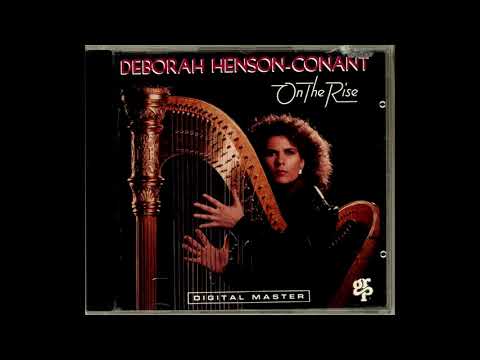
The early 1980s saw Henson-Conant continue to innovate, releasing albums such as _'round the Corner_ (1987) and _On the Rise_ (1989). These recordings further solidified her reputation as a master of the electric harp, with its versatility and expressiveness allowing for a wide range of tonal colors. Her use of effects pedals and other electronic enhancements not only expanded the instrument's sonic palette but also made it more accessible to contemporary audiences.
The 1990s witnessed Henson-Conant's continued exploration of new sounds and styles. Albums such as _Caught in the Act_ (1990) and _Flute and Harp for Christmas_ (1991) showcased her ability to adapt to diverse musical contexts, from jazz and rock to classical and holiday music. Her work on these albums not only demonstrated a remarkable range but also underscored her commitment to making the harp relevant in modern times.
Henson-Conant's collaborations with other artists have been an essential component of her success. The 1991 album _Talking Hands_, featuring guest appearances by guitarist Steve Khan and percussionist Danny Gottlieb, exemplifies this aspect of her career. This album's blend of jazz, rock, and world music elements not only highlighted Henson-Conant's eclecticism but also underscored the harp's potential for fusion.
The mid-1990s saw Henson-Conant release _Budapest_ (1993) and _Naked Music_ (1994), two albums that further cemented her reputation as a master of the electric harp. These recordings showcased her ability to craft compelling narratives through music, with each composition evoking a distinct atmosphere and mood.
Throughout her career, Henson-Conant has been recognized for her innovative approach to the harp. Her willingness to experiment and push boundaries has not only expanded the instrument's sonic capabilities but also made it more accessible to contemporary audiences. As we delve into the archive of rare footage featuring this trailblazing artist, it becomes clear that Deborah Henson-Conant's impact on music history is multifaceted and far-reaching.
The significance of Henson-Conant's contributions cannot be overstated. Her pioneering work with the electric harp has not only opened doors for future generations of harpists but also inspired a new wave of musicians to explore unconventional sounds and styles. As we examine the clips from her archive, it becomes evident that her influence extends beyond the realm of classical music, influencing artists across genres and disciplines.
In the following sections, we will delve deeper into Henson-Conant's discography, examining specific clips from the archive where natural. We will explore the significance of these recordings in the context of music history, highlighting their impact on the evolution of harp music and beyond.
Curated from public records and music databases.