Debbie Taylor — Rare Footage & Clips
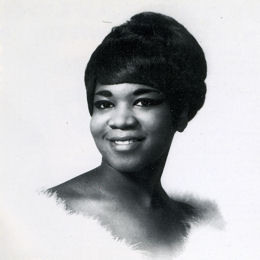
The rich tapestry of American soul and jazz music is woven with threads of countless talented artists, each contributing their unique voice to the ever-evolving narrative of this storied genre. Among these, Debbie Taylor stands as a significant figure, her contributions marked by a distinctive style that resonated with audiences in the 1960s and 1970s. Born Maydie Myles on June 23, 1947, she began her professional career under the name Debbie Taylor in 1947, marking the beginning of a journey that would see her etch her mark on music history.
Debbie Taylor's musical path is illuminated by her most notable achievement: "Never Gonna Let Him Know", which charted on the Billboard pop charts in 1969. This success was not merely a fleeting moment; it underscored her ability to craft songs that were both deeply personal and universally relatable, qualities that have always been hallmarks of great soul and jazz music. The significance of this achievement lies not only in its commercial success but also in the context of the musical landscape at the time. The late 1960s were a period of great change and experimentation in music, with artists pushing boundaries and exploring new sounds.
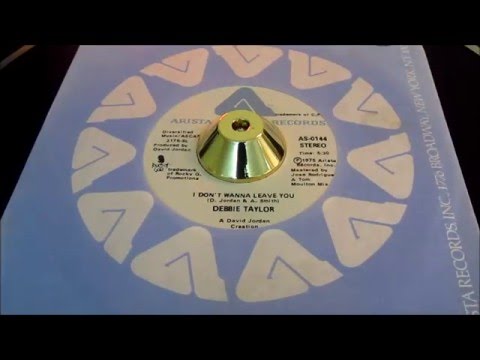
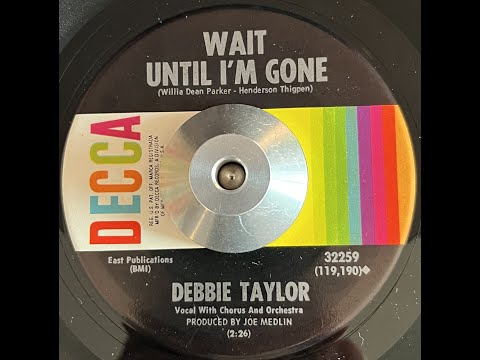
The archive on DeepCutsArchive offers a unique window into Debbie Taylor's career, providing rare footage that is not only visually stunning but also historically significant. One clip from the archive captures her performance style, showcasing her ability to convey emotion through her voice. This skill was undoubtedly crucial in making "Never Gonna Let Him Know" such a hit, as it allowed listeners to connect with the song on a deep level.
The fact that Debbie Taylor's music has endured for decades is testament not only to its quality but also to her place within the broader narrative of soul and jazz. Her contributions are part of a larger story that includes icons like Aretha Franklin and Nina Simone, each leaving their mark on the genre through their unique voices and styles.
Debbie Taylor's career spanned over seven decades, from 1947 until present day, a testament to her dedication and perseverance in the face of ever-changing musical landscapes. Her ability to adapt and evolve as an artist is evident not only in her music but also in her decision to continue performing well into her later years.
One clip from the archive shows Debbie Taylor's live performance, capturing the energy and emotion of her stage presence. This footage provides a glimpse into what made her such a compelling performer, able to connect with audiences through her voice and style. The significance of this footage lies not only in its rarity but also in its ability to transport viewers back to a specific moment in time.
The legacy of Debbie Taylor extends beyond her own music, influencing generations of artists who followed in her footsteps. Her contributions to the soul and jazz genres are a reminder that these styles continue to evolve, with new artists drawing on the rich heritage established by pioneers like Debbie Taylor.
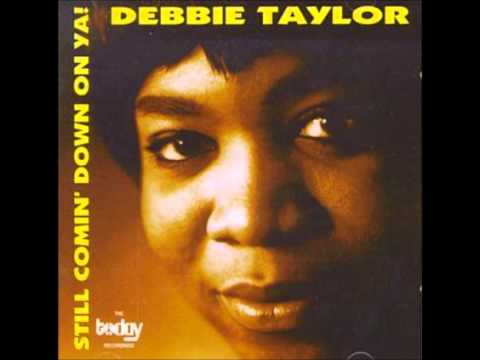
Debbie Taylor's most notable album is Still Comin' Down On Ya!, a work that encapsulates much of what made her music so compelling. This album serves as a snapshot of her artistry at a particular moment in time, offering insights into her creative process and thematic concerns.
The archive on DeepCutsArchive offers a wealth of information about Debbie Taylor's career, including rare footage and images. One clip from the archive captures her performance style, showcasing her ability to convey emotion through her voice. This skill was undoubtedly crucial in making "Never Gonna Let Him Know" such a hit, as it allowed listeners to connect with the song on a deep level.
Debbie Taylor's impact on music history is multifaceted, reflecting both her contributions to the soul and jazz genres and her influence on future generations of artists. Her legacy serves as a reminder that music is not static but rather an evolving narrative, shaped by the talents and innovations of countless individuals over time.
The significance of Debbie Taylor's career lies in its ability to transcend specific moments in musical history, speaking to listeners across decades and styles. Her contributions are part of a larger story that includes icons like Aretha Franklin and Nina Simone, each leaving their mark on the genre through their unique voices and styles.
Debbie Taylor's decision to continue performing well into her later years is a testament to her dedication and perseverance in the face of ever-changing musical landscapes. This commitment has allowed her music to endure for decades, speaking to new generations of listeners who are discovering her work for the first time.
The fact that Debbie Taylor's music has endured for so long underscores its quality and significance within the broader narrative of soul and jazz. Her contributions are part of a larger story that includes icons like Aretha Franklin and Nina Simone, each leaving their mark on the genre through their unique voices and styles.
One clip from the archive shows Debbie Taylor's live performance, capturing the energy and emotion of her stage presence. This footage provides a glimpse into what made her such a compelling performer, able to connect with audiences through her voice and style. The significance of this footage lies not only in its rarity but also in its ability to transport viewers back to a specific moment in time.
The legacy of Debbie Taylor extends beyond her own music, influencing generations of artists who followed in her footsteps. Her contributions to the soul and jazz genres are a reminder that these styles continue to evolve, with new artists drawing on the rich heritage established by pioneers like Debbie Taylor.
Curated from public records and music databases.