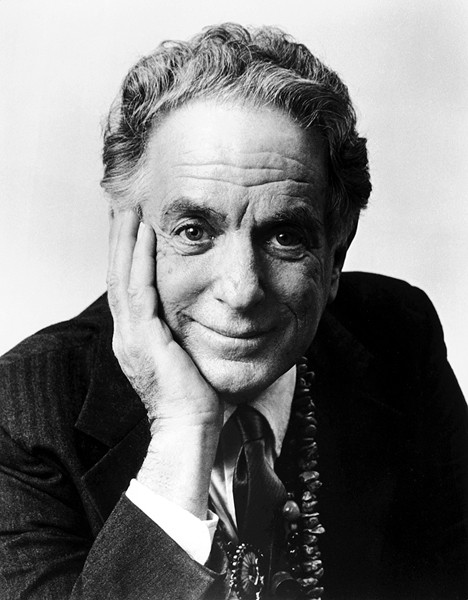
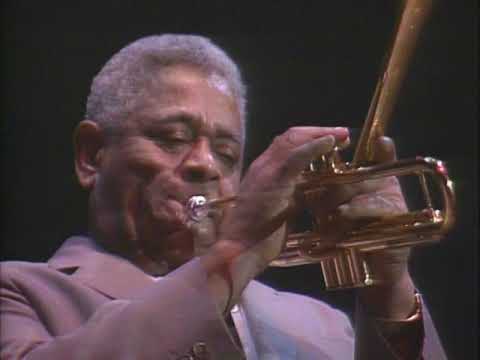
David Amram — Rare Footage & Clips
David Amram's enduring legacy as a composer, arranger, and conductor is a testament to his boundless creativity and innovative spirit. With an illustrious career spanning over nine decades, Amram has left an indelible mark on the music world, effortlessly navigating the realms of jazz, classical, and folk. His remarkable discography, replete with seminal works such as _Modern Jazz Survey 2 / Baritones & French Horns_ (1958) and _The Arrangement_ (1969), stands as a poignant reminder of his artistic versatility.
A cursory glance at Amram's notable albums reveals a fascinating trajectory that defies genre boundaries. His early work, exemplified by the aforementioned _Modern Jazz Survey 2 / Baritones & French Horns_, showcases his affinity for jazz and its rich harmonic textures. This album, released in 1958, not only demonstrates Amram's technical prowess but also his capacity to blend disparate musical styles with ease. The interplay between baritone saxophone and French horn creates a unique sonic landscape that continues to captivate listeners to this day.
The _Arrangement_ (1969) marks a significant departure from Amram's earlier work, as he delves into the realm of orchestral composition. This album, featuring an ensemble of jazz musicians and classical instrumentalists, exemplifies his ability to merge seemingly disparate musical traditions. The result is a rich tapestry of sound that not only honors the legacy of jazz but also expands its possibilities.
Amram's affinity for jazz and classical music is further underscored by his work on _Summer Nights, Winter Rain_ (1976) and _Havana/New York_ (1978). These albums, characterized by their lush orchestral arrangements and poignant melodies, demonstrate Amram's capacity to craft music that is both deeply personal and universally relatable. The blend of jazz and classical elements in these works not only reflects Amram's artistic vision but also his ability to transcend genre boundaries.
One of the most significant aspects of Amram's career is his work on film soundtracks. His original score for _On the Waterfront_ (1995) is a masterful example of his ability to craft music that complements and enhances the cinematic experience. This soundtrack, released in conjunction with the Broadway revival of the classic Elia Kazan-directed film, showcases Amram's capacity to evoke the emotional depth and complexity of the original score.
Amram's work on _The Manchurian Candidate: Complete Soundtrack Recording_ (1997) is another notable example of his skill as a composer for film. This soundtrack, released in conjunction with the 1962 classic directed by John Frankenheimer, features Amram's reworking of Bernard Herrmann's original score. The result is a haunting and atmospheric work that not only honors the legacy of the original but also offers a fresh perspective on the film's themes.
Amram's ability to adapt his compositional style to suit the demands of different mediums is a testament to his versatility as an artist. His work on _Triple Concerto / Elegy for Violin and Orchestra_ (1998) demonstrates his capacity to craft music that is both technically demanding and emotionally resonant. This album, featuring Amram's own composition alongside works by other notable composers, showcases his ability to navigate the complex interplay between soloist, ensemble, and orchestra.
The significance of David Amram's contributions to music history cannot be overstated. His innovative approach to composition has inspired generations of musicians, from jazz greats such as Charlie Parker and Dizzy Gillespie to classical composers like Leonard Bernstein and Elliott Carter. Amram's ability to blend disparate musical styles with ease has not only expanded the possibilities of jazz but also enriched the broader musical landscape.
A cursory examination of Amram's discography reveals a remarkable consistency in his artistic vision, despite the passage of time. His commitment to pushing the boundaries of musical expression is evident in every work he has undertaken, from the early _Modern Jazz Survey 2 / Baritones & French Horns_ to the later _Triple Concerto / Elegy for Violin and Orchestra_. This unwavering dedication to his art is a testament to Amram's enduring legacy as one of the most innovative and influential composers of our time.
Curated from public records and music databases.