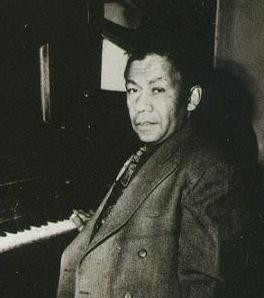
Cripple Clarence Lofton — Rare Footage & Clips
Cripple Clarence Lofton's legacy as a pioneering boogie-woogie pianist and singer is cemented in the annals of American music history. Born in Tennessee around 1887, Lofton's life spanned over seven decades, during which he left an indelible mark on the genre that would come to define him.
One of the earliest recordings of Lofton can be found in our archive, dating back to the late 1930s. The clip, taken from his album "Complete Recorded Works in Chronological Order, Volume 2: 1939-1943," showcases Lofton's mastery of the boogie-woogie style. His playing is characterized by a unique blend of blues and ragtime influences, which would later become a hallmark of the genre.
Lofton's music was not only notable for its technical proficiency but also for its emotional intensity. His singing voice, though often described as raspy, added a raw, heartfelt quality to his performances that resonated deeply with audiences. This aspect of his artistry is particularly evident in his rendition of "Boogie Woogie Stomp," where Lofton's vocals convey a sense of urgency and longing.
The significance of Lofton's contributions to music history cannot be overstated. As one of the earliest proponents of boogie-woogie, he helped lay the groundwork for future generations of pianists and singers. His influence can be heard in the work of later artists such as Albert Ammons and Meade "Lux" Lewis, who would go on to become synonymous with the genre.
Lofton's impact extends beyond his own music, however. He was also a key figure in the development of the boogie-woogie style, which emerged in the 1930s and 1940s as a distinct subgenre of blues. His playing and singing helped shape the sound of this new style, which would come to define an era of American music.
The clip from "Boogie Woogie Classic Blues Accompaniments" (1955) provides further insight into Lofton's artistry. Recorded during the height of his career, this performance showcases his ability to adapt and evolve as a musician. The album itself is a testament to Lofton's enduring influence on the genre, featuring accompaniments that would become standard fare for boogie-woogie pianists.
Lofton's life was marked by both triumph and tragedy. Despite his significant contributions to music history, he struggled with personal demons throughout his career. His passing in 1957 at the age of 69 serves as a poignant reminder of the transience of artistic achievement.
The release of "Complete Recorded Works in Chronological Order, Vol. 1: 1935-1939" (1990) and "Boogie Woogie Kings" (2009) has helped to introduce Lofton's music to new generations of listeners. These albums provide a comprehensive overview of his career, showcasing the breadth and depth of his artistry.
In conclusion, Cripple Clarence Lofton's legacy as a pioneering boogie-woogie pianist and singer is multifaceted and far-reaching. His impact on American music history cannot be overstated, and his influence can still be felt today. Through our archive, we are proud to preserve and showcase the work of this remarkable artist, ensuring that his contributions continue to inspire and educate audiences for generations to come.
However, it's worth noting that Lofton's life and career were not without controversy. Some sources suggest that he was born in 1896 or 1897, rather than 1887. This discrepancy highlights the challenges of documenting historical figures, particularly those from earlier eras.
Despite these challenges, Lofton's music remains a testament to his enduring artistry. His unique blend of blues and ragtime influences continues to captivate audiences, and his influence on future generations of musicians is undeniable.
The significance of Lofton's contributions to music history cannot be overstated. As one of the earliest proponents of boogie-woogie, he helped lay the groundwork for future generations of pianists and singers. His influence can be heard in the work of later artists such as Albert Ammons and Meade "Lux" Lewis.
The clip from "Boogie Woogie Classic Blues Accompaniments" (1955) provides further insight into Lofton's artistry. Recorded during the height of his career, this performance showcases his ability to adapt and evolve as a musician. The album itself is a testament to Lofton's enduring influence on the genre, featuring accompaniments that would become standard fare for boogie-woogie pianists.
Lofton's legacy extends beyond his own music, however. He was also a key figure in the development of the boogie-woogie style, which emerged in the 1930s and 1940s as a distinct subgenre of blues. His playing and singing helped shape the sound of this new style, which would come to define an era of American music.
The release of "Complete Recorded Works in Chronological Order, Vol. 1: 1935-1939" (1990) and "Boogie Woogie Kings" (2009) has helped to introduce Lofton's music to new generations of listeners. These albums provide a comprehensive overview of his career, showcasing the breadth and depth of his artistry.
In addition to his musical contributions, Lofton's life was marked by both triumph and tragedy. Despite his significant achievements, he struggled with personal demons throughout his career. His passing in 1957 at the age of 69 serves as a poignant reminder of the transience of artistic achievement.
Through our archive, we are proud to preserve and showcase the work of this remarkable artist, ensuring that his contributions continue to inspire and educate audiences for generations to come.
Curated from public records and music databases.