Chuck Barksdale — Rare Footage & Clips
The dusty corridors of Chicago's high schools, where the seeds of greatness are often sown, gave birth to one of R&B's most enduring legacies: The Dells. Formed in 1953 by a group of young men with harmonious voices and a shared passion for music, they would go on to leave an indelible mark on the genre. And at the heart of this legacy was Chuck Barksdale, the baritone voice that anchored The Dells' sound for over five decades.
A clip from 1961's "There Is" captures the essence of their early days - a raw, unbridled energy that would soon be tempered by experience and refinement. But even in its nascent stages, it's clear that this was no ordinary group. Their harmonies were rich, their phrasing intuitive, and their performances electrifying.
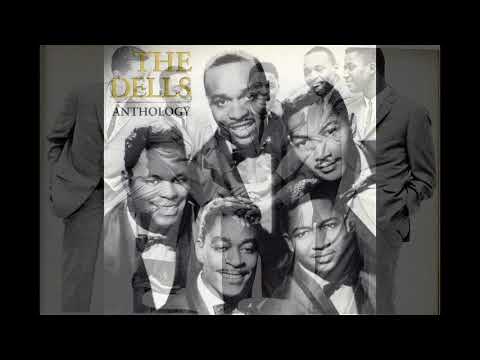
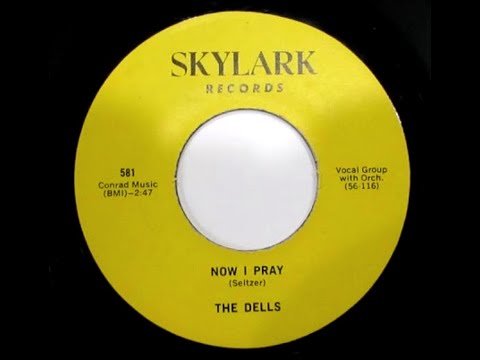
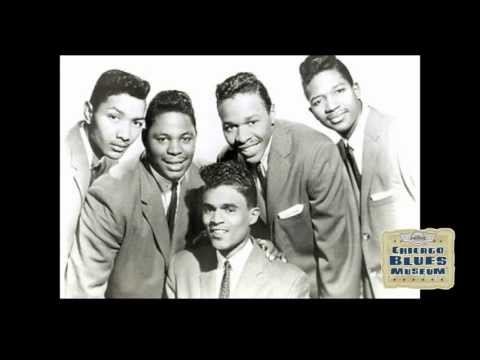
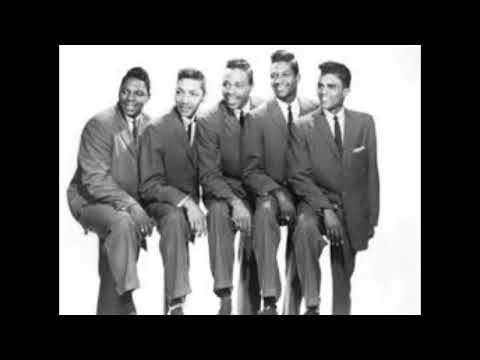
As one of the founding members, Barksdale played a crucial role in shaping The Dells' sound. Alongside Marvin Junior, Verne Allison, Johnny Funches (later replaced by Johnny Carter), Michael McGill, and Lucius McGill, he formed the core of the group's early lineup. Their first recording, "Oh What a Night", released in 1956, was a modest success, but it laid the groundwork for what would become one of R&B's most beloved catalogs.
The Dells' story is one of perseverance and redemption. After a near-fatal car crash in 1958 forced them to disband, they re-formed two years later with Carter taking Funches' place. This lineup would endure until Carter's passing in 2009, a testament to the group's staying power and commitment to their art.
Throughout the 1960s and 1970s, The Dells continued to produce some of R&B's most iconic hits: "There Is", "Stay in My Corner", "There Is" (again), and "I Miss You". Each song a masterclass in harmonious storytelling, with Barksdale's baritone providing the perfect counterpoint to Junior's soaring tenor.
But The Dells' influence extended far beyond their own music. They were one of the first R&B groups to incorporate jazz and doo-wop elements into their sound, paving the way for future generations of vocalists. And in 2004, they were rewarded with induction into both the Rock and Roll Hall of Fame and the Vocal Group Hall of Fame - a testament to their enduring impact on American music.
Barksdale's own legacy is inextricably linked to that of The Dells. He was more than just a member; he was the heartbeat of the group, providing the sonic anchor that allowed them to explore new sounds and push the boundaries of R&B. And even as the years went by and the music world around him changed beyond recognition, Barksdale remained steadfast, his voice a constant source of comfort and inspiration.
In 2019, The Dells finally disbanded, their legacy secure but their individual contributions still waiting to be fully appreciated. For Chuck Barksdale, that appreciation will come in part from this archive, where the songs he sang with such passion and conviction continue to captivate new generations of listeners. And as we delve into the history of one of R&B's most beloved groups, it's clear that Barksdale's own story is an integral thread in the rich tapestry of American music.
The Dells' music may have been a product of its time, but its influence continues to be felt today. As we explore the archives and uncover new stories about this iconic group, one thing becomes clear: Chuck Barksdale was more than just a member - he was a guardian of R&B's traditions, a keeper of its flame, and a testament to the enduring power of music to bring people together.
As we continue our journey through The Dells' history, it's worth noting that their story is one of community and camaraderie. These were men who came from different backgrounds but shared a common passion for music - and in doing so, created something greater than the sum of its parts. And at the heart of this legacy was Chuck Barksdale, his voice an integral part of the group's sound.
The Dells' induction into the Rock and Roll Hall of Fame marked a milestone in their career, but it also served as a reminder that their music transcended genres. They were R&B pioneers, yes - but they were also jazz-influenced vocalists, doo-wop masters, and songwriters who pushed the boundaries of what was possible with harmonies.
As we explore The Dells' history in greater depth, it becomes clear that Chuck Barksdale's contributions went far beyond his singing. He was a songwriter, a producer, and a key figure in shaping the group's sound. And yet, despite all these accomplishments, he remains an enigmatic figure - a man whose legacy is still waiting to be fully appreciated.
The Dells' music may have been popular during their heyday, but its influence extends far beyond the charts. They were a group that inspired countless other vocalists and songwriters, paving the way for future generations of R&B musicians. And at the heart of this legacy was Chuck Barksdale - a man whose voice continues to captivate audiences today.
In 2009, Johnny Carter's passing marked the end of an era for The Dells. But even as their lineup changed and their music evolved, one constant remained: Chuck Barksdale's baritone voice. It was the heartbeat that kept them going, the anchor that allowed them to explore new sounds and push the boundaries of R&B.
As we delve deeper into The Dells' history, it becomes clear that Chuck Barksdale's legacy is inextricably linked to that of his fellow band members. Together, they created something greater than the sum of its parts - a sound that continues to captivate audiences today.
The Dells may have disbanded in 2019, but their music lives on - a testament to the enduring power of R&B and the legacy of Chuck Barksdale. As we continue our journey through this archive, it's clear that his story is an integral part of American music history - a reminder that even the most iconic legacies are built on the contributions of individual artists like Chuck Barksdale.
Curated from public records and music databases.