Chris Lietz — Rare Footage & Clips
In a dimly lit rehearsal room deep within Düsseldorf's industrial underbelly, the seeds of sonic revolution were sown. It was here that Jürgen Engler, Ralf Dörper, and Bernward Malaka gathered in 1980 to form Die Krupps, an outfit that would soon become synonymous with the raw energy and mechanized fury of Germany's burgeoning industrial metal scene.
The early days of Die Krupps were marked by a sense of experimentation, as they delved into the percussive industrial soundscape of Stahlwerksynfonie (1981). This album, a sprawling exercise in sonic dissonance, laid the groundwork for the band's future explorations. As they navigated this uncharted territory, Die Krupps' sound began to take shape – a fusion of pounding rhythms and distorted synths that would come to define their unique brand of industrial metal.
The following year saw the release of Volle Kraft voraus! (1982), an album that marked a significant departure from the band's earlier work. This synth-pop infused outing, while still rooted in Die Krupps' industrial heritage, showcased the group's willingness to adapt and evolve. The album's catchy hooks and driving beats hinted at a more accessible side of the band, one that would be further explored on 1985's Entering the Arena.
This latter album, featuring their first English-language material, marked a turning point in Die Krupps' career. It was here that they began to establish themselves as a force to be reckoned with in the industrial metal landscape. The band's sound had matured, incorporating elements of metal and hard rock into their signature industrial aesthetic.
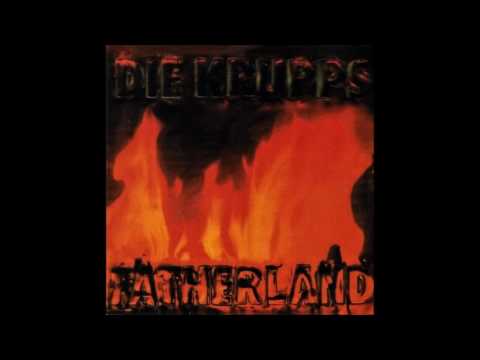
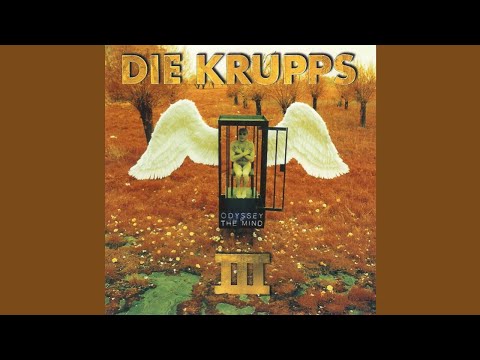
As Die Krupps continued to push the boundaries of their genre, they released four albums between 1992 and 1997 – each bearing the moniker of a number (1 through 4). These releases solidified the band's reputation as one of the leading acts in the industrial metal scene. Their music had become a staple of the era, influencing a generation of bands to come.
One cannot help but wonder what role Die Krupps' early work played in shaping the sound of their later albums. The percussive industrial textures of Stahlwerksynfonie, for instance, seem to have laid the groundwork for the more aggressive, metal-infused sound that would dominate their subsequent releases. And yet, it is precisely this evolution – this willingness to experiment and adapt – that has allowed Die Krupps to endure as a vital force in music history.
As one delves deeper into Die Krupps' discography, it becomes clear that their significance extends far beyond the confines of the industrial metal genre. Their influence can be heard in the work of bands like Ministry, Nine Inch Nails, and Rammstein – each of whom has cited Die Krupps as a key inspiration.
In the context of German music history, Die Krupps occupy a unique position. Emerging from the same cultural landscape that spawned Kraftwerk and Neu!, they represent a distinct strand of industrial and electronic experimentation. Their music is a testament to the country's rich musical heritage, one that continues to inspire and influence artists to this day.
Die Krupps' story serves as a reminder that true innovation often lies at the intersection of disparate influences. By embracing the raw energy of industrial music and combining it with the sonic precision of metal, they created something entirely new – a sound that would go on to shape the course of music history.
As one navigates the labyrinthine corridors of Die Krupps' discography, it becomes clear that their significance extends far beyond the confines of a single genre. They represent a milestone in the evolution of industrial and electronic music, a testament to the power of creative experimentation and innovation. And yet, as we delve deeper into their story, one cannot help but feel that there is still much to be uncovered – that the true extent of Die Krupps' influence remains a mystery waiting to be unraveled.
In the dimly lit rehearsal room where it all began, the seeds of sonic revolution were sown. It was here that Die Krupps first gathered, their collective energy and creative vision forging a sound that would change the course of music history forever.
Curated from public records and music databases.

![Thumbnail for The Final Option [remixed by Paul Raven & Stuart Coleman] by Chris Lietz](https://img.youtube.com/vi/Buano_MIFSk/hqdefault.jpg)
![Thumbnail for LCD [remixed by Leather Strip] by Chris Lietz](https://img.youtube.com/vi/OrkuI69Qxwo/hqdefault.jpg)