DeepCutsArchive
BrowseArtistsTimelineMapDecadesSubmit

DeepCutsArchive

Preserving the footage that shaped music history. Rare clips, studio sessions, and moments lost to time.

BrowseArtistsGenresDecadesLocationsSubmit a ClipAboutContactEditorial PolicyArticles

© 2026 DeepCutsArchive. All footage remains the property of its original creators.

Privacy PolicyTerms of UseSupport

Developed with love as a personal project by Jamie McDonnell

ui-ux-design.comai-consultancy.company
Charley Patton — Rare Clips — DeepCutsArchive — DeepCutsArchive
Charley Patton

Charley Patton

1891–1934United States

About Charley Patton

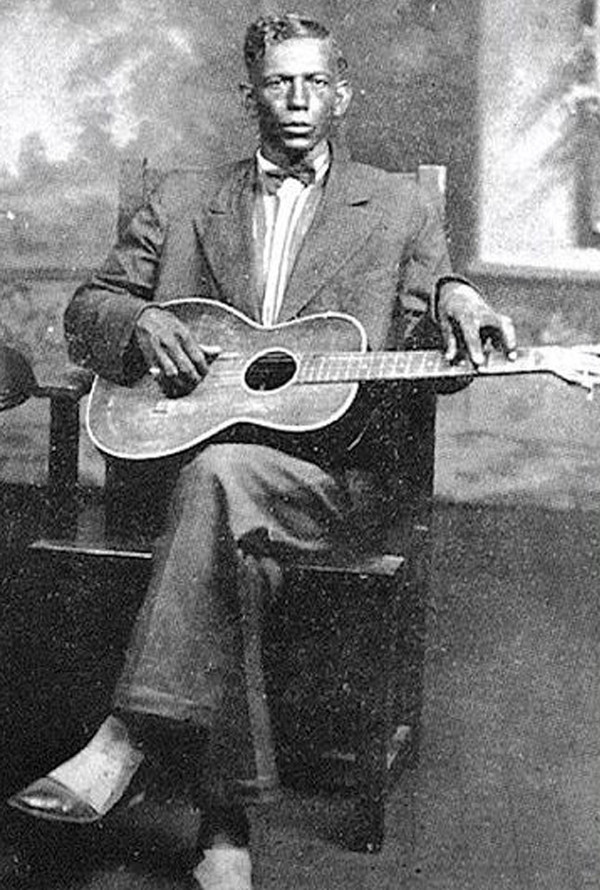
Charlie Patton, better known as Charley Patton, was an American Delta blues singer, guitarist and songwriter. Considered by many to be the "Father of the Delta Blues", he inspired most Delta blues musicians. Born: April 1891 (probable) in Hinds County, Mississippi (near the town of Edwards) Died: April 28, 1934 on the Heathman-Dedham plantation in Mississippi (near Indianola) Patton's parentage and race also are uncertain. His parents were Bill and Annie Patton, but locally he was regarded as having been fathered by former slave Henderson Chatmon, several of whose children became popular Delta musicians, as solo performers and as members of groups such as the Mississippi Sheiks. Biographer John Fahey described Patton as having "light skin and Caucasian features." Patton was considered African-American, but because of his light complexion there has been much speculation about his ancestry over the years. One theory endorsed by blues musician Howlin' Wolf was that Patton was Mexican or Cherokee. It is now generally agreed that Patton was of mixed heritage, with white, black, and Native ancestors. In 1897, his family to Dockery Plantation, a cotton farm and sawmill near Ruleville, Mississippi. There, Patton developed his musical style, influenced by Henry Sloan, who had a new, unusual style of playing music, which is now considered an early form of the blues. Patton performed at Dockery and nearby plantations and began an association with Willie Brown (2). Tommy Johnson, Fiddlin' Joe Martin, Robert Johnson, and Howlin' Wolf also lived and performed in the area, and Patton served as a mentor to these younger performers. He gained popularity for his showmanship, sometimes playing with the guitar down on his knees, behind his head, or behind his back. He died on the Heathman-Dedham plantation, near Indianola, on April 28, 1934, and is buried in Holly Ridge (both towns are located in Sunflower County). His death certificate states that he died of a mitral valve disorder. Patton's death was not reported in the newspapers. A memorial headstone was erected on Patton's grave, paid for by musician John Fogerty through the Mt. Zion Memorial Fund in July 1990.

Read more on Wikipedia →

Formed

1891 – 1934

Origin

United States

Discography

The Immortal Charlie Patton Number 1 (1962)

Founder Of The Delta Blues (1971)

Founder of the Delta Blues (1989)

Complete Recorded Works in Chronological Order, Volume 3: December 1929 to 1 February 1934 (1990)

Complete Recorded Works in Chronological Order, Volume 2: Late November / Early December 1929 (1990)

Complete Recorded Works in Chronological Order, Volume 1: 14 June 1929 to Late November / Early December 1929 (1990)

King of the Delta Blues (1991)

The Blues Collection: Charlie Patton, Pony Blues (1995)

Founder of the Delta Blues: 1929–34 (1995)

Charley Patton (1996)

Jazz & Blues Collection 77: Charlie Patton (1996)

King of the Delta (1996)

It Won't Be Long (1999)

Pony Blues: His 23 Greatest Songs (1999)

The Definitive Charley Patton (2001)


No clips for Charley Patton yet.

Keep Exploring

All ArtistsAll GenresAll DecadesBrowse by Tag

Charley Patton — Rare Footage & Clips

The enigmatic figure of Charley Patton looms large in the pantheon of American blues musicians. As we delve into the archives of DeepCutsArchive, it becomes clear that Patton's significance extends far beyond his own remarkable career as a singer, guitarist, and songwriter. He is widely regarded as the "Father of the Delta Blues," a title that speaks to his profound influence on the genre.

One clip in our archive, recorded in 1929, showcases Patton's unique style and showmanship. In this performance, he can be seen playing with an uncanny ease, effortlessly switching between different techniques and experimenting with novel sounds. This clip is significant not only for its historical value but also as a testament to Patton's innovative spirit. His willingness to push the boundaries of what was considered acceptable in blues music paved the way for future generations of musicians.

Patton's early life is shrouded in mystery, with his parentage and racial identity being subject to speculation over the years. According to biographer John Fahey, Patton possessed "light skin and Caucasian features," which has led some to question whether he was truly African-American or if there were other influences at play. Theories have ranged from Mexican to Cherokee ancestry, but it is now generally accepted that Patton's heritage was a complex mix of white, black, and Native American.

This ambiguity surrounding Patton's identity serves as a reminder of the fluidity of racial categories in America during the late 19th and early 20th centuries. It also speaks to the rich cultural melting pot that existed in the Mississippi Delta region, where African-American, European-American, and Native American influences blended together to create a unique musical landscape.

Patton's move to Dockery Plantation in 1897 marked a turning point in his development as a musician. There, he was exposed to the innovative playing style of Henry Sloan, who is now recognized as one of the earliest exponents of blues music. Patton's own sound began to take shape, influenced by Sloan and other local musicians such as Willie Brown, Tommy Johnson, Fiddlin' Joe Martin, Robert Johnson, and Howlin' Wolf.

The significance of Patton's mentorship role in the development of these younger performers cannot be overstated. His influence can be seen not only in their music but also in their approach to performance. Patton's showmanship, which included playing with his guitar down on his knees or behind his back, set a new standard for blues musicians.

Patton's popularity extended far beyond his own performances. He gained a reputation as a master musician and songwriter, with many of his contemporaries regarding him as the "King of the Delta Blues." His music was characterized by its raw emotion, poetic lyrics, and innovative use of musical techniques.

One notable aspect of Patton's career is the scarcity of documentation surrounding his life and death. Despite his significant contributions to American music, Patton's passing on April 28, 1934, went unreported in local newspapers. It wasn't until many years later that a memorial headstone was erected on his grave, paid for by musician John Fogerty through the Mt. Zion Memorial Fund.

The fact that Patton's death certificate lists mitral valve disorder as the cause of death serves as a poignant reminder of the harsh realities faced by musicians during this period. Many blues musicians struggled with poverty, illness, and personal tragedy throughout their lives, often without access to adequate medical care or other forms of support.

In recent years, there has been a growing recognition of Patton's importance in American music history. His influence can be heard in the work of countless blues musicians who followed in his footsteps, from Muddy Waters to Howlin' Wolf. The numerous reissues and compilations of Patton's recordings have helped to introduce his music to new generations of listeners.

As we continue to explore the archives of DeepCutsArchive, it becomes clear that Charley Patton's legacy extends far beyond his own remarkable career as a musician. He represents a pivotal moment in American musical history, one that continues to shape our understanding of the blues genre and its significance in the broader cultural landscape.

Curated from public records and music databases.