Bruce Cockburn — Rare Footage & Clips
In the misty dawn of May 27, 1945, Bruce Douglas Cockburn emerged into a world on the cusp of transformation. The Canadian singer-songwriter's arrival coincided with the Allied victory in World War II, an event that would forever alter the course of global politics and culture. As Cockburn navigated his early years, the seeds of social change were sown, influencing the music he would create decades later.
Cockburn's formative years were spent in the Canadian wilderness, where the rhythms of nature would become a defining feature of his art. His debut album, released in 1970, bore the same name as its creator, and marked the beginning of an extraordinary journey that would span five decades. This inaugural effort was a folk-infused exploration of the human condition, with lyrics that already hinted at Cockburn's abiding interests in spirituality and social justice.
The early 1970s saw Cockburn's creative trajectory shift towards more experimental terrain. High Winds White Sky (1971) and Sunwheel Dance (1971), released mere months apart, introduced a new level of sonic complexity to his work. These albums showcased an artist willing to push boundaries, incorporating elements of jazz and rock into his folk roots. This fusion would become a hallmark of Cockburn's style, as he continued to defy categorization.
One of the most significant aspects of Cockburn's career is his ability to craft songs that transcend borders. His experiences in Central America and Africa have had a profound impact on his work, with albums like Salt, Sun and Time (1974) reflecting his growing awareness of global issues. This album, released during a period of heightened social activism, saw Cockburn addressing topics such as poverty, inequality, and environmental degradation.
Cockburn's commitment to social justice has been a constant throughout his career. In the 1980s, he began to explore new sounds and themes, releasing albums like Humans (1980) that tackled issues of human rights and personal relationships. This period also saw him experimenting with spoken word narratives, creating soundscapes that accompanied stories of people from diverse backgrounds.
The significance of Bruce Cockburn's contributions to music history cannot be overstated. With over 350 songs written across 34 albums, he has left an indelible mark on the genre. His influence can be heard in a wide range of artists, from folk and rock musicians to those exploring more experimental terrain. In Canada alone, Cockburn has sold over one million albums, earning 22 gold or platinum certifications.
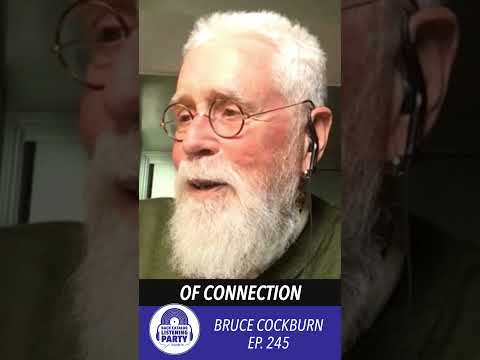
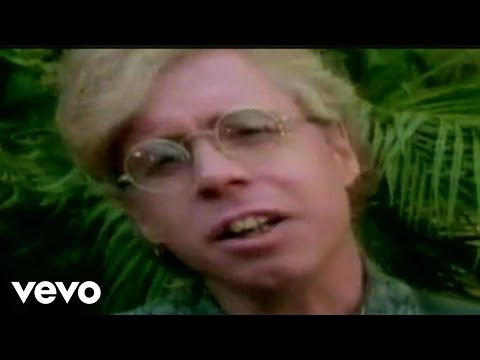
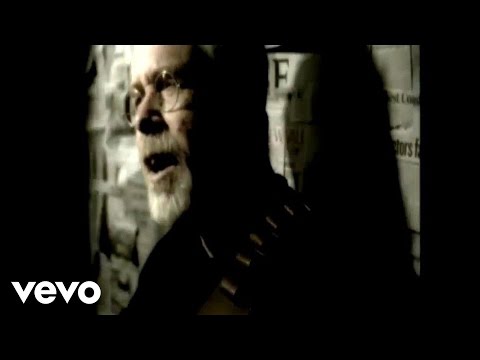
The archive at DeepCutsArchive contains numerous clips that illustrate the depth and breadth of Cockburn's artistry. One particularly striking example is his performance of "Pacing the Cage," a song from the album Night Vision (1973). This poignant ballad showcases Cockburn's ability to craft lyrics that are both deeply personal and universally relatable.
Cockburn's work has been recognized with numerous awards and accolades, including multiple Juno Awards and an Order of Canada. However, it is his unwavering commitment to social justice and environmental causes that truly sets him apart. As a musician, he has used his platform to raise awareness about pressing issues, inspiring generations of artists and activists.
Throughout his career, Cockburn has demonstrated an unshakeable dedication to his craft. From the folk-infused introspection of his early work to the experimental soundscapes of later albums, he has consistently pushed the boundaries of what is possible in music. His influence extends far beyond the realm of entertainment, as a testament to the power of art to shape our understanding of the world.
As we navigate the complexities of the 21st century, Cockburn's music serves as a reminder of the importance of empathy and compassion. His songs are a testament to the enduring power of human connection, and the need for collective action in the face of adversity. As we reflect on his remarkable career, it is clear that Bruce Cockburn has left an indelible mark on the world of music, one that will continue to resonate for generations to come.
In the words of Cockburn himself, "The songs are a way of trying to make sense of things." Through his music, he has given voice to countless stories and experiences, creating a body of work that is both deeply personal and universally relatable. As we explore the archive at DeepCutsArchive, we are reminded of the significance of Cockburn's contributions to music history, and the enduring impact of his artistry on our shared cultural landscape.
Curated from public records and music databases.