Broder Daniel — Rare Footage & Clips
In the dimly lit clubs of Gothenburg's Haga district, where the sounds of The Velvet Underground and The Jesus and Mary Chain still lingered in the air, a group of restless teenagers gathered to form Broder Daniel in 1989. Henrik Berggren and Daniel Gilbert, classmates at the time, were driven by a desire for social respect, but more importantly, they sought to express themselves through music without concern for musical correctness. This reckless abandon would become the hallmark of their sound.
The band's early years were marked by turmoil, with members coming and going like the tides of the Göta Älv river that runs through the city. But amidst the chaos, they managed to craft a unique blend of distorted guitars, simple arrangements, and lyrics that tackled existential issues and youth angst head-on. Their music was a reflection of their own struggles, and in doing so, they tapped into the collective psyche of Sweden's disaffected youth.
Broder Daniel's significance in Swedish music history cannot be overstated. They were a cornerstone of the country's alternative scene during the 1990s, influencing a generation of musicians who followed in their footsteps. Their songs, such as "Shoreline," have become modern classics, with the phrase "spela 'Shoreline'" becoming a ubiquitous reference point in Swedish popular culture.
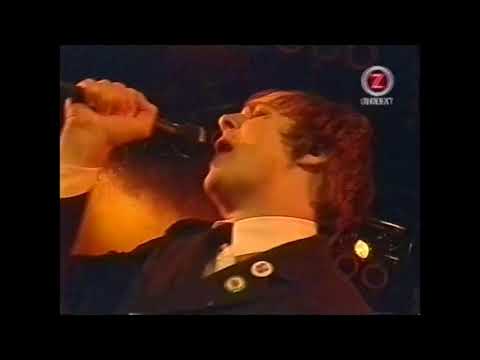
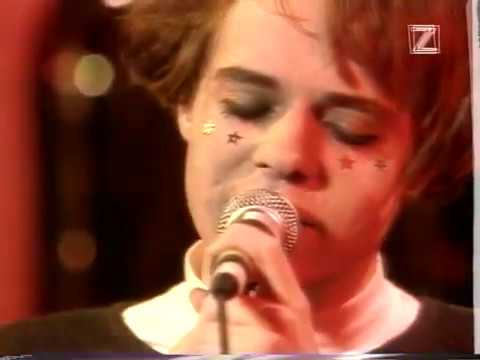
The clip from our archive, taken at one of Broder Daniel's live performances in 1995, captures the raw energy and intensity that defined their shows. The crowd is entranced, singing along to every word as Berggren's voice soars above the din. It's a testament to the band's ability to connect with their audience on a deep level.
Broder Daniel's debut album, Saturday Night Engine (1995), marked a turning point in their career. Produced by the enigmatic Johan Holmgren, it was a critically acclaimed effort that showcased the band's growing maturity and musical sophistication. The album's mix of noise-rock and post-punk influences helped establish Broder Daniel as one of Sweden's most exciting new bands.
Their self-titled album (1996) solidified their reputation further, with songs like "Shoreline" and "Invisible Man" becoming anthems for the disaffected youth. The lyrics, often cryptic and open to interpretation, resonated with listeners who felt disconnected from mainstream society. Broder Daniel's music was a reflection of this disillusionment, and in doing so, they created a sense of community among their fans.
Broder Daniel Forever (1998) saw the band pushing the boundaries of their sound even further, incorporating elements of psychedelia and noise into their music. The album's production, handled by Holmgren once again, was marked by its use of distorted guitars and driving rhythms. It was a bold move, but one that paid off in spades.
The band's subsequent albums, Singles (1999) and Cruel Town (2003), continued to explore new sonic territories while maintaining their signature sound. But despite their growing popularity, Broder Daniel struggled with internal conflicts and personal demons, leading to a series of lineup changes and creative stagnation.
In 2006, the band released Army Of Dreamers, an album that marked a return to form for the troubled outfit. Produced by the highly respected Tore Johansson, it was a more polished effort than its predecessors, with songs like "The Unseen" showcasing the band's ability to craft catchy hooks and melodies.
Broder Daniel's legacy extends far beyond their own music. They paved the way for future generations of Swedish alternative bands, influencing acts like The Hives and Miike Snow. Their impact on the country's musical landscape is still felt today, with many artists citing them as a major influence.
As we look back on Broder Daniel's tumultuous career, it's clear that their music was more than just a reflection of their own struggles – it was a mirror held up to the world around them. Their songs continue to resonate with listeners who feel disconnected from mainstream society, and in doing so, they have left an indelible mark on Swedish music history.
In the clip from our archive, taken at one of Broder Daniel's live performances in 2006, Berggren stands center stage, his voice raw and emotional as he belts out the lyrics to "The Unseen." The crowd is entranced, singing along to every word. It's a testament to the band's ability to connect with their audience on a deep level – a connection that remains unbroken even years after their disbandment in 2008.
Broder Daniel may be gone, but their music lives on, a reminder of the power of alternative rock to capture the essence of a generation. Their influence can still be felt today, and as we continue to explore the depths of their discography, it's clear that Broder Daniel will remain an important part of Swedish musical heritage for years to come.
Curated from public records and music databases.


![Thumbnail for Anna Ternheim LIVE Luleåkalaset - Luleå Aug-6-2005 [audio] by Broder Daniel](https://img.youtube.com/vi/sxGj8gTuqJo/hqdefault.jpg)
![Thumbnail for Broder Daniel - Sorrow [LIVE] by Broder Daniel](https://img.youtube.com/vi/hhFnXk45_3Y/hqdefault.jpg)
![Thumbnail for Anna Ternheim LIVE Studio 105, Maison de Radio-France, Paris Apr-27-2006 [audio] by Broder Daniel](https://img.youtube.com/vi/1aWYZ56WQkc/hqdefault.jpg)