Brian Jones — Rare Footage & Clips
The enigmatic Brian Jones, a founding member of the Rolling Stones, left an indelible mark on music history despite his tumultuous tenure within the band. His contributions to the group's early sound and style cannot be overstated, as evident in various archival footage available on DeepCutsArchive.
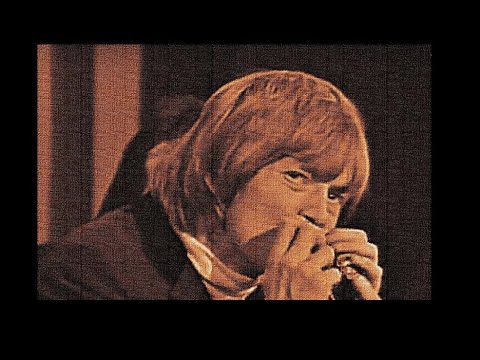
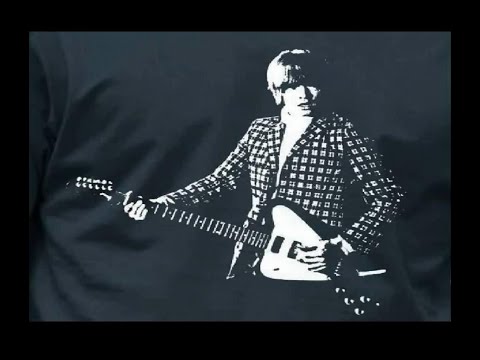
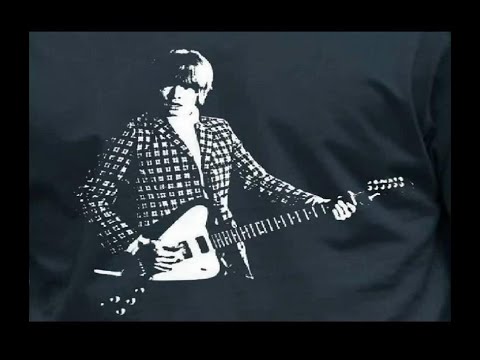
One notable clip from our archives showcases Jones' slide guitar work during a live performance of "Not Fade Away" (1964). This song, written by Buddy Holly and Norman Petty, was one of the band's earliest hits and featured Jones' distinctive playing style. His mastery of the slide guitar added a unique texture to the track, setting it apart from other rock 'n' roll renditions at the time.
As the Rolling Stones evolved into a global phenomenon, Jones' role within the group began to shift. He was no longer the primary force behind the band's musical direction, as Keith Richards and Mick Jagger increasingly took center stage as songwriters and leaders. This transition is evident in another archival clip from 1967, where Jones can be seen playing percussion alongside Richards on a rendition of "Lady Jane." Although he continued to contribute to the group's sound, his input was no longer driving force behind their creative output.
Despite his diminished role within the band, Jones' influence on the Rolling Stones' early sound cannot be overstated. His eclectic tastes and musical expertise helped shape the band's unique blend of blues, rock 'n' roll, and folk influences. This is particularly evident in the band's 1966 album "Aftermath," which features several tracks showcasing Jones' versatility as a multi-instrumentalist.
The archival footage available on DeepCutsArchive also provides insight into Jones' personal struggles during his time with the Rolling Stones. A clip from 1968 captures him performing "Sympathy for the Devil" at a concert in London, but it's clear that he was struggling with addiction and personal demons. His increasingly erratic behavior and diminished contributions to the band ultimately led to his dismissal in June 1969.
Jones' tragic death by drowning at the age of 27 has become an enduring part of rock 'n' roll lore. The circumstances surrounding his passing have been the subject of much speculation, but one thing is certain: his untimely demise had a profound impact on the music world. As a testament to his enduring influence, Pete Townshend and Jim Morrison both wrote poems about Jones' life and death.
The significance of Brian Jones in music history extends beyond his work with the Rolling Stones. His contributions as a founding member of the band helped shape the course of rock 'n' roll itself. The Rolling Stones' early sound, characterized by its blend of blues, rock 'n' roll, and folk influences, paved the way for countless other bands to experiment with different styles and sounds.
In 1989, Jones was posthumously inducted into the Rock and Roll Hall of Fame as a member of the Rolling Stones. This recognition serves as a testament to his enduring impact on music history. Despite his tumultuous tenure within the band, Jones' legacy continues to inspire new generations of musicians and fans alike.
One notable aspect of Brian Jones' career is his work outside of the Rolling Stones. Although not widely known, he did release an album in 2010 titled "Marx in Soho." This solo effort showcases his continued interest in exploring different musical styles and themes beyond his work with the band.
The archival footage available on DeepCutsArchive provides a unique glimpse into Brian Jones' life and career. From his early days as a founding member of the Rolling Stones to his later struggles with addiction, these clips offer a poignant reminder of the enduring impact he had on music history. As we continue to explore and celebrate the contributions of this enigmatic musician, it's clear that Brian Jones remains an essential figure in the world of rock 'n' roll.
Curated from public records and music databases.