Bobby Charles — Rare Footage & Clips
In the humid summer of 1959, a young Bobby Charles walked into Cosimo Matassa's studio in New Orleans, armed with a batch of songs that would change the course of rock 'n' roll history. The air was thick with the sounds of Fats Domino and Professor Longhair, but Charles' unique blend of Cajun folk and R&B would soon make him an integral part of the city's musical landscape.
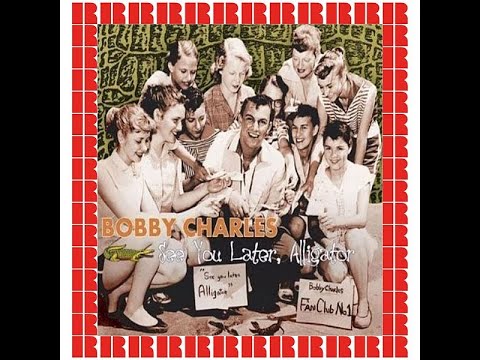
Charles' early work, showcased on Four Winds: The Imperial Singles (1958-1959), is a testament to his ability to craft infectious melodies and poignant lyrics. Tracks like "See You Later Alligator" and "Walking to New Orleans" have become staples of American music, covered by artists from Jerry Lee Lewis to Harry Connick Jr. But it's not just the hits that demonstrate Charles' significance – his entire discography is a treasure trove of musical innovation.
The 1970s saw Charles' output shift towards more introspective territory, with albums like Chess Masters (1977) and Bobby Charles (1972). These records showcase a more mature artist, one who has honed his craft to produce songs that are both deeply personal and universally relatable. The title track from the latter album is a case in point – its lilting melody and heartfelt lyrics paint a picture of love and loss that resonates long after the final note.
But Charles' influence extends far beyond his own recordings. His collaborations with other artists, such as Dr. John and Allen Toussaint, have had a lasting impact on the New Orleans sound. And it's not just the music itself – Charles' contributions to the city's musical heritage are immeasurable. He was a key figure in the development of the city's unique blend of R&B, rock 'n' roll, and Cajun folk, helping to shape the sound that would come to define New Orleans.
One of the most striking aspects of Charles' career is his ability to adapt and evolve over time. From the early days of rock 'n' roll to the more experimental sounds of the 1970s and 1980s, he consistently pushed the boundaries of what was possible with his music. And yet, despite this willingness to take risks, Charles never lost sight of his roots – his connection to Louisiana's rich musical heritage is evident throughout his work.
In recent years, there has been a renewed interest in Charles' legacy, with albums like Last Train to Memphis (2004) and Walking to New Orleans: The Jewel and Paula Recordings 1964-1965 (2000) receiving critical acclaim. These reissues not only showcase Charles' enduring talent but also serve as a reminder of the importance of preserving musical history.
As we look back on Charles' remarkable career, it's clear that his influence extends far beyond the confines of New Orleans or even Louisiana itself. He was a true original, a singer-songwriter who left an indelible mark on American music. And yet, despite this impact, Charles remains a relatively unsung hero – his name is not as widely recognized as some of his contemporaries, but his music continues to inspire new generations of artists and fans alike.
In the decades since his passing in 2010, Charles' legacy has only grown stronger. His songs continue to be covered by artists from all over the world, and his influence can be heard in everything from rock 'n' roll to hip-hop. And yet, despite this enduring impact, there is still much to be said about Charles' life and work – a story that spans decades, genres, and geographies, but remains deeply rooted in the rich musical heritage of Louisiana.
The final note on Charles' discography is perhaps his most poignant – Secrets of the Heart (1998) is an album that sees him reflecting on love, loss, and the passing of time. It's a fitting swansong for an artist who has spent his career exploring the human condition through music. As we close this chapter on Charles' life and work, it's clear that his legacy will continue to inspire and influence generations to come – a testament to the power of music to transcend time and touch our hearts in ways both big and small.
Curated from public records and music databases.