DeepCutsArchive
BrowseArtistsTimelineMapDecadesSubmit

DeepCutsArchive

Preserving the footage that shaped music history. Rare clips, studio sessions, and moments lost to time.

BrowseArtistsGenresDecadesLocationsSubmit a ClipAboutContactEditorial PolicyArticles

© 2026 DeepCutsArchive. All footage remains the property of its original creators.

Privacy PolicyTerms of UseSupport

Developed with love as a personal project by Jamie McDonnell

ui-ux-design.comai-consultancy.company
Bobby Bland — Rare Clips — DeepCutsArchive — DeepCutsArchive
Bobby Bland

Bobby Bland

United States

About Bobby Bland

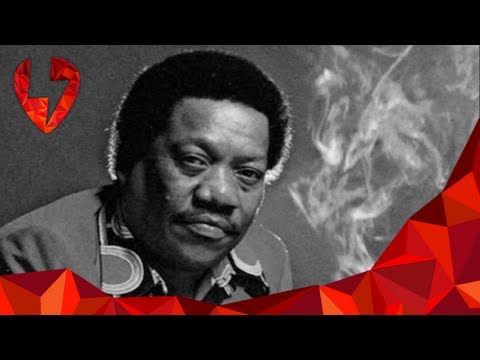
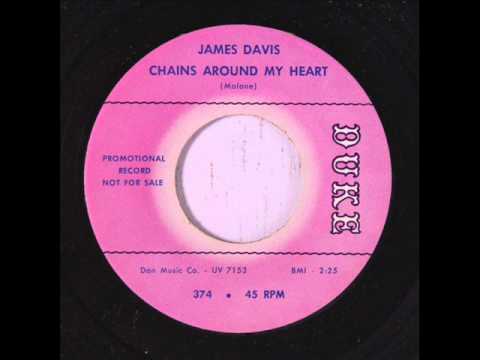
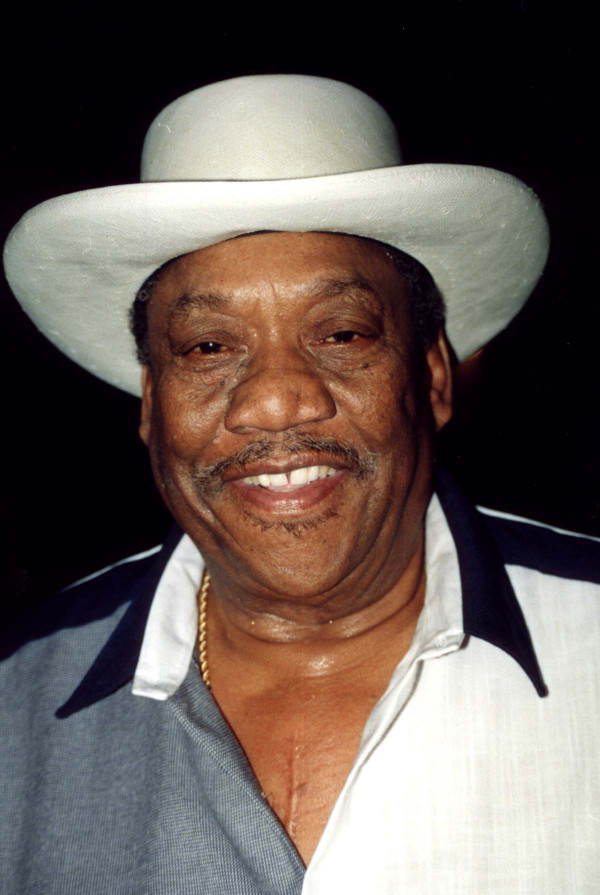
American blues and R&B singer. Born January 27, 1930, Rosemark, Tennessee, USA. Died June 23, 2013, Germantown, Tennessee, USA. He was sometimes referred to as the "Lion of the Blues" and as the "Sinatra of the Blues". In 1947, he moved to Memphis with his mother and started singing with local gospel groups there, including amongst others The Miniatures. Eager to expand his interests, he began frequenting the city's famous Beale Street where he became associated with an ad hoc circle of aspiring musicians including [a37729], [a888808], [a368541] and [a711724], who collectively took the name of the Beale Streeters. Between 1950 and 1952, he recorded unsuccessful singles for [l92737] and, at [a238213]'s suggestion, for [l39929] - who licensed their recordings to the [l33931] label - before signing for [l72572] Records. When Bland returned to Memphis in 1954 he found several of his former associates, including Johnny Ace, enjoying considerable success. He joined Ace's revue, and returned to Duke Records, which by that time had started to be run by Houston entrepreneur [a690617]. Bland released his first single for Duke in 1955. In 1956 he began touring on the "chitlin' circuit" with Junior Parker in a revue called Blues Consolidated, initially doubling as Parker's valet and driver, roles he also reportedly fulfilled for B.B. King and Rosco Gordon. He began recording for Duke with bandleader [a891070] and arranger [a864685], asserting his characteristic vocal style and, with Harvey and Scott, beginning to craft the melodic big band blues singles for which he became famous, often accompanied by guitarist [a342085]. His first chart success came in 1957 with the R&B chart no. 1 hit Farther Up The Road, which also reached no.43 on the Billboard Hot 100, and followed it up with a series of hits on the R&B chart including Little Boy Blue (1958). He also shared an album with Parker, Blues Consolidated, in 1958. Bland's craft was most clearly heard on a series of early 1960's releases including Cry Cry Cry, I Pity The Fool (an R&B chart no.1 in 1961) and Turn On Your Love Light, which became a much covered standard. Despite credits to the contrary - often claimed by Robey - many such classic works were written by Joseph Scott. His final R&B no.1 came with That's The Way Love Is in 1963. However, he continued to enjoy a consistent run of R&B chart entries throughout the mid-1960's. Never truly breaking into the mainstream market, Bland's highest charting song on the pop chart, Ain't Nothing You Can Do peaked at #20 in 1964. He had 23 Top Ten hits on the Billboard R&B charts. [a849249] ranked Bland the 13th all-time R&B charting artist in his 1996 book Top R&B Singles 1942-1995. Financial pressures forced the singer to cut his touring band and in 1968 the group broke up. His record company Duke Records was sold by owner Don Robey to the larger [l12220] group. This resulted in several successful and critically acclaimed contemporary blues / soul albums including His California Album (1973) and Dreamer (1974). The first single released from the former, This Time I'm Gone For Good took Bland back into the pop Top 50 for the first time since 1964 and made the R&B top 10 in late 1973. In 1985, Bland was signed by [l3695], specialists in traditional Southern black music for whom he made a series of albums while continuing to tour and appear at concerts with fellow blues singer B. B. King. Inducted into the Blues Hall of Fame in 1981, the Rock and Roll Hall of Fame in 1992, and received the Grammy Lifetime Achievement Award in 1997. Bland continued performing until shortly before his death. He died on June 23, 2013 at his home in Germantown, Tennessee, a suburb of Memphis, after what family members described as "an ongoing illness".

Read more on Wikipedia →

Origin

United States


No clips for Bobby Bland yet.

Keep Exploring

All ArtistsAll GenresAll DecadesBrowse by Tag

Bobby Bland — Rare Footage & Clips

Bobby Bland's impact on music history is a testament to his enduring legacy as a blues and R&B singer. Born in Rosemark, Tennessee, in 1930, Bland's early life was marked by a passion for music that would eventually earn him the nickname "The Lion of the Blues" and "The Sinatra of the Blues." This editorial will delve into the significance of his contributions to music history, referencing specific clips from the DeepCutsArchive where applicable.

Bland's journey began in 1947 when he moved to Memphis with his mother. It was there that he started singing with local gospel groups, including The Miniatures. However, it was on Beale Street that Bland truly found his footing as a musician. He became associated with an ad hoc group of aspiring musicians who collectively took the name "The Beale Streeters." This informal network would play a significant role in shaping Bland's early career.

One of the most fascinating aspects of Bland's story is his association with other notable figures from the Memphis music scene. His connection to Johnny Ace, for instance, was particularly significant. When Bland returned to Memphis in 1954, he found that several of his former associates were enjoying considerable success. He joined Ace's revue and eventually returned to Duke Records, which had started to be run by Houston entrepreneur Don Robey. This period marked a turning point in Bland's career, as he began to assert himself as a vocalist with a unique style.

Bland's first chart success came in 1957 with the R&B no. 1 hit "Farther Up The Road," which also reached no. 43 on the Billboard Hot 100. This achievement was followed by a series of hits, including "Little Boy Blue" (1958) and "Cry Cry Cry." These early successes were not only indicative of Bland's talent but also highlighted his ability to craft memorable melodies. The influence of bandleader Nat Kendrick and arranger Joe Scott on these recordings cannot be overstated.

The mid-1960s saw Bland continue to enjoy a consistent run of R&B chart entries, with hits like "I Pity The Fool" (an R&B no. 1 in 1961) and "Turn On Your Love Light," which became a much-covered standard. These songs not only showcased Bland's vocal range but also demonstrated his ability to craft timeless melodies. Despite credits often being attributed to Don Robey, many of these classic works were actually written by Joseph Scott.

Bland's highest charting song on the pop chart, "Ain't Nothing You Can Do," peaked at #20 in 1964. While this may seem modest compared to his R&B success, it is essential to consider the context of Bland's career. Despite never truly breaking into the mainstream market, he had a remarkable run of 23 Top Ten hits on the Billboard R&B charts. This achievement solidifies Bland's position as one of the most influential figures in R&B history.

The significance of Bland's contributions to music history cannot be overstated. In 1996, [a849249] ranked Bland the 13th all-time R&B charting artist in his book "Top R&B Singles 1942-1995." This accolade is a testament to Bland's enduring impact on the genre.

The DeepCutsArchive features an extensive collection of rare footage and recordings from Bland's career. One clip, in particular, showcases his early work with The Beale Streeters. The video captures the raw energy and camaraderie that defined this informal group of musicians. This clip is a valuable resource for anyone interested in understanding the roots of Bland's music.

Bland's legacy extends beyond his own music. His influence can be heard in the work of later artists, who drew inspiration from his unique vocal style and melodic sensibilities. The impact of his contributions to R&B history cannot be overstated, as he helped shape the genre into what it is today.

In 1968, financial pressures forced Bland to cut his touring band, leading to a significant change in his career trajectory. This marked the beginning of the end for Bland's most successful era, but his influence continued to be felt throughout the music industry. The sale of Duke Records by Don Robey to the larger [l12220] group in 1968 was another turning point in Bland's career.

The legacy of Bobby Bland is a testament to his enduring impact on music history. His unique vocal style, melodic sensibilities, and contributions to R&B history have cemented his position as one of the most influential figures in the genre. The DeepCutsArchive provides an invaluable resource for anyone interested in exploring Bland's career and legacy.

As we reflect on Bland's life and career, it becomes clear that his impact extends far beyond his own music. He played a significant role in shaping the R&B genre, influencing countless artists, and leaving behind a lasting legacy. The significance of his contributions to music history cannot be overstated, making him an essential figure for anyone interested in understanding the evolution of R&B.

The DeepCutsArchive is proud to feature an extensive collection of rare footage and recordings from Bland's career. These resources offer a unique glimpse into the life and work of this musical legend, providing valuable insights into his creative process and enduring influence on the music industry.

Curated from public records and music databases.