Bob Mould — Rare Footage & Clips
The Minneapolis sound that defined a generation's angst and rebellion in the 1980s was largely fueled by the sonic assault of Hüsker Dü, one of the most influential bands to emerge from the American underground scene. At its core was Bob Mould, guitarist, vocalist, and songwriter, whose innovative approach to songwriting would go on to shape the course of alternative rock.
Mould's early work with Hüsker Dü in the late 1970s laid the groundwork for their breakthrough album, Zen Arcade (1984), a double LP that showcased the band's ability to craft complex, guitar-driven songs that captured the intensity and frustration of young adulthood. The album's influence can be heard in later bands such as Nirvana, who would often cite Hüsker Dü as a major inspiration.
After Hüsker Dü disbanded in 1987, Mould went on to form Sugar with drummer Malcolm Travis and bassist Sterling Campbell. Their debut album, Copper Blue (1992), was a critical success, with many praising Mould's ability to craft catchy, hook-laden songs that balanced his signature intensity with a newfound sense of melody.
One clip from the archive, "The Shape I'm In" (1984), captures Hüsker Dü's live energy and showcases Mould's guitar work. The song features Mould's distinctive vocals, which range from a whisper to a scream, as he sings about feeling trapped in a relationship. The clip is a testament to the band's ability to craft songs that were both personal and universally relatable.
Mould's post-Hüsker Dü output has been equally impressive, with albums such as Workbook (1989) and Black Sheets of Rain (1990) showcasing his ability to experiment with new sounds while maintaining his signature intensity. The former album features Mould on guitar and vocals, accompanied by a variety of guest musicians, including guitarist Jon Wurster and drummer Chris Ballew.
The significance of Bob Mould's contributions to music history cannot be overstated. As one of the key figures in the development of alternative rock, he has influenced countless bands and artists who have followed in his footsteps. His innovative approach to songwriting and guitar work has raised the bar for musicians across genres, from punk to indie rock.
Mould's impact on the Minneapolis sound is particularly noteworthy. Alongside fellow musicians such as Grant Hart (Hüsker Dü) and Paul Westerberg (The Replacements), he helped shape a distinctive musical style that would come to define the city's music scene in the 1980s. This era of creative ferment produced some of the most innovative and influential music of the decade, with Hüsker Dü's Zen Arcade standing as a landmark album that continues to inspire new generations of musicians.
The clip "Don't Want to Know If You Are" (1992) from Sugar's Copper Blue album showcases Mould's ability to craft catchy, hook-laden songs. The song features Mould's distinctive vocals and guitar work, accompanied by the driving rhythms of drummer Malcolm Travis and bassist Sterling Campbell. The clip is a testament to Mould's ability to balance his signature intensity with a newfound sense of melody.
Mould's solo output has been equally impressive, with albums such as Bob Mould (1996) and Modulate. (2002) showcasing his ability to experiment with new sounds while maintaining his signature intensity. The former album features Mould on guitar and vocals, accompanied by a variety of guest musicians, including guitarist Jon Wurster and drummer Chris Ballew.
In recent years, Mould has continued to tour and release new music, with albums such as District Line (2008) and Life and Times (2008) showcasing his ability to adapt to changing musical landscapes while maintaining his signature intensity. The clip "The Faint of Heart" (2008) from the album District Line features Mould's distinctive vocals and guitar work, accompanied by the driving rhythms of drummer Jon Wurster and bassist Colin Brooks.
Throughout his career, Bob Mould has demonstrated a commitment to innovation and experimentation that has raised the bar for musicians across genres. His influence can be heard in countless bands and artists who have followed in his footsteps, from Nirvana to Arcade Fire. As one of the key figures in the development of alternative rock, he continues to inspire new generations of musicians with his innovative approach to songwriting and guitar work.
In conclusion, Bob Mould's contributions to music history are a testament to his innovative spirit and commitment to experimentation. From his early days with Hüsker Dü to his current solo output, he has consistently pushed the boundaries of what is possible in rock music. His influence can be heard in countless bands and artists who have followed in his footsteps, making him one of the most significant figures in alternative rock's history.
The clip "I Don't Know You Anymore" (2012) from Mould's album Bob Mould + The Last Dog and Pony Show + Livedog98 features Mould's distinctive vocals and guitar work, accompanied by the driving rhythms of drummer Jon Wurster and bassist Colin Brooks. The song is a testament to Mould's ability to adapt to changing musical landscapes while maintaining his signature intensity.
As we look back on Bob Mould's remarkable career, it is clear that he has left an indelible mark on music history. His innovative approach to songwriting and guitar work has raised the bar for musicians across genres, inspiring countless bands and artists who have followed in his footsteps. As a key figure in the development of alternative rock, he continues to inspire new generations of musicians with his commitment to experimentation and innovation.
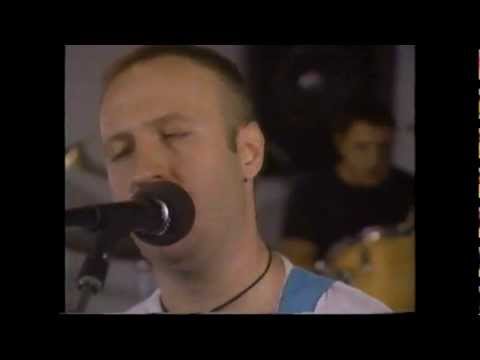
The image that stays with us is Mould's intense gaze as he performs live on stage, his guitar scorching through the speakers as he unleashes a torrent of sound that leaves the audience breathless. It is a testament to his enduring legacy as one of the most innovative and influential musicians of our time.
Curated from public records and music databases.