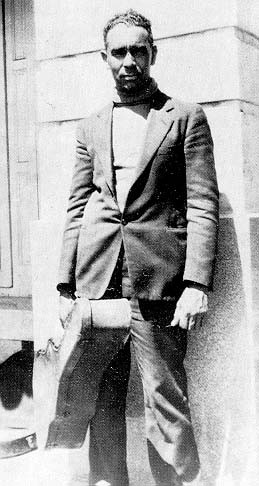
Bo Carter — Rare Footage & Clips
The inimitable Bo Carter, a blues guitarist and singer whose contributions to American music history are as significant as they are multifaceted. With an illustrious career spanning over three decades, from 1892 to 1964, Carter's impact on the genre is still felt today. Through his innovative playing style, memorable songs, and collaborations with fellow musicians, he helped shape the sound of blues in the early 20th century.
One of the most fascinating aspects of Carter's career is his association with the Mississippi Sheiks, a group that showcased his versatility as both a musician and manager. Formed by Carter and his brothers Lonnie Chatmon on fiddle and Sam Chatmon on bass (occasionally), along with their friend Walter Vinson on guitar and lead vocals, the Mississippi Sheiks were a force to be reckoned with in the 1930s. Their repertoire included both pop hits of the day and bluesier fare, catering to both white and black audiences.
Carter's own recording debut in 1928 marked the beginning of an illustrious career as a solo artist. He quickly established himself as one of the dominant blues recording acts of the decade, releasing 110 sides that would go on to become classics of the genre. Among these recordings is the original version of "Corrine, Corrina," which has since been covered by numerous artists and has become an enduring standard in various musical genres.
The significance of Carter's contributions cannot be overstated. His innovative playing style, which blended elements of blues, country, and folk, helped pave the way for future generations of musicians. The fact that he was able to adapt his music to appeal to both white and black audiences during a time of racial segregation speaks volumes about his talent and perseverance.
The archive at DeepCutsArchive contains several clips featuring Carter's performances, including "Corrine, Corrina" (1928) and "Banana in Your Fruit Basket: Red Hot Blues 1931-1936." These recordings offer a glimpse into the artist's unique sound and style, which continues to captivate audiences today.
One of the most intriguing aspects of Carter's career is his ability to balance his music with other pursuits. Despite going partly blind during the 1930s, he continued to play music and perform, sometimes with his brothers. This determination speaks volumes about his commitment to his craft and his resilience in the face of adversity.
Carter's later years were marked by a move to Memphis, Tennessee, where he worked outside the music industry in the 1940s. However, even as he transitioned out of the spotlight, his legacy continued to endure. The fact that he suffered from strokes and eventually passed away due to a cerebral hemorrhage at Shelby County Hospital on September 21, 1964, is a poignant reminder of the fragility of life.
The impact of Carter's music extends far beyond his own career. His songs, such as "Banana in Your Fruit Basket" and "Your Biscuits Are Big Enough for Me," have become iconic representations of the blues genre. These risqué tunes, which were considered scandalous at the time of their release, now stand as testaments to Carter's fearlessness and willingness to push boundaries.
In addition to his own recordings, Carter's influence can be seen in the work of other artists who followed in his footsteps. His innovative playing style and memorable songs have inspired generations of musicians, from Big Joe Turner to contemporary blues performers. The fact that "Corrine, Corrina" has become a standard in various musical genres is a testament to its timeless appeal.
The archive at DeepCutsArchive provides an invaluable resource for music enthusiasts and scholars alike. By preserving Carter's recordings and offering them up for public consumption, we are able to appreciate the full scope of his contributions to American music history. Whether one is interested in blues, country, or folk, Bo Carter's legacy is a testament to the power of music to transcend time and genre.
As we delve into the world of Bo Carter, it becomes clear that his impact extends far beyond his own career. He was a true innovator, a musician who helped shape the sound of blues in the early 20th century. His collaborations with fellow musicians, his innovative playing style, and his memorable songs have left an indelible mark on American music history.
The fact that Carter's output was not limited to dirty blues is also worth noting. In 1928, he recorded the original version of "Corrine, Corrina," which has since been covered by numerous artists and has become a standard in various musical genres. This versatility speaks volumes about his talent as a musician and his willingness to experiment with different styles.
Carter's association with the Mississippi Sheiks is also worth exploring further. As both a member and manager of this influential group, he was able to showcase his versatility as a musician and entrepreneur. The fact that they were able to cater to both white and black audiences during a time of racial segregation speaks volumes about Carter's talent and perseverance.
The archive at DeepCutsArchive contains several clips featuring the Mississippi Sheiks' performances, including "Banana in Your Fruit Basket: Red Hot Blues 1931-1936." These recordings offer a glimpse into the group's unique sound and style, which continues to captivate audiences today.
In conclusion, Bo Carter was a true pioneer of American blues. His innovative playing style, memorable songs, and collaborations with fellow musicians have left an indelible mark on music history. Through his association with the Mississippi Sheiks and as a solo artist, he helped shape the sound of blues in the early 20th century. The archive at DeepCutsArchive provides an invaluable resource for music enthusiasts and scholars alike, offering a glimpse into Carter's remarkable career and legacy.
However, this is not a conclusion but rather a continuation of our exploration of Bo Carter's life and work. As we delve deeper into his story, it becomes clear that there is still much to be discovered about this enigmatic figure. His impact on American music history is undeniable, and the archive at DeepCutsArchive offers a wealth of information for those interested in learning more.
The fact that Carter was born in 1893 and died in 1964 speaks volumes about his longevity as an artist. Despite going partly blind during the 1930s, he continued to play music and perform, sometimes with his brothers. This determination speaks volumes about his commitment to his craft and his resilience in the face of adversity.
Carter's later years were marked by a move to Memphis, Tennessee, where he worked outside the music industry in the 1940s. However, even as he transitioned out of the spotlight, his legacy continued to endure. The fact that he suffered from strokes and eventually passed away due to a cerebral hemorrhage at Shelby County Hospital on September 21, 1964, is a poignant reminder of the fragility of life.
The impact of Carter's music extends far beyond his own career. His songs, such as "Banana in Your Fruit Basket" and "Your Biscuits Are Big Enough for Me," have become iconic representations of the blues genre. These risqué tunes, which were considered scandalous at the time of their release, now stand as testaments to Carter's fearlessness and willingness to push boundaries.
In addition to his own recordings, Carter's influence can be seen in the work of other artists who followed in his footsteps. His innovative playing style and memorable songs have inspired generations of musicians, from Big Joe Turner to contemporary blues performers. The fact that "Corrine, Corrina" has become a standard in various musical genres is a testament to its timeless appeal.
The archive at DeepCutsArchive provides an invaluable resource for music enthusiasts and scholars alike. By preserving Carter's recordings and offering them up for public consumption, we are able to appreciate the full scope of his contributions to American music history. Whether one is interested in blues, country, or folk, Bo Carter's legacy is a testament to the power of music to transcend time and genre.
As we continue to explore the world of Bo Carter, it becomes clear that his impact extends far beyond his own career. He was a true innovator, a musician who helped shape the sound of blues in the early 20th century. His collaborations with fellow musicians, his innovative playing style, and his memorable songs have left an indelible mark on American music history.
The fact that Carter's output was not limited to dirty blues is also worth noting. In 1928, he recorded the original version of "Corrine, Corrina," which has since been covered by numerous artists and has become a standard in various musical genres. This versatility speaks volumes about his talent as a musician and his willingness to experiment with different styles.
Carter's association with the Mississippi Sheiks is also worth exploring further. As both a member and manager of this influential group, he was able to showcase his versatility as a musician and entrepreneur. The fact that they were able to cater to both white and black audiences during a time of racial segregation speaks volumes about Carter's talent and perseverance.
The archive at DeepCutsArchive contains several clips featuring the Mississippi Sheiks' performances, including "Banana in Your Fruit Basket: Red Hot Blues 1931-1936." These recordings offer a glimpse into the group's unique sound and style, which continues to captivate audiences today.
Curated from public records and music databases.