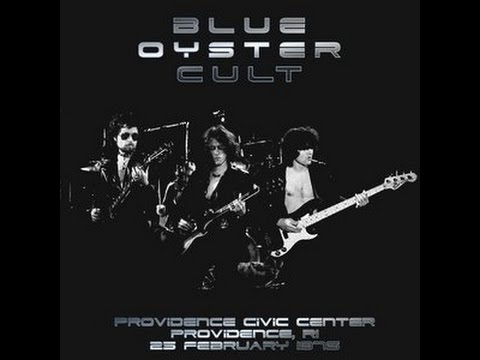
Blue Öyster Cult — Rare Footage & Clips
In the dimly lit studios of Long Island's Stony Brook, a group of young musicians gathered in 1967 to forge something new, something that would shake the foundations of rock 'n' roll. Blue Öyster Cult was born from this crucible of creativity, their music a potent blend of hard rock, psychedelia, and occult fascination.
Their early years were marked by experimentation and innovation, as seen in the clips from their 1972 self-titled debut album, where the band's raw energy and sonic explorations are on full display. The album's opening track, "Hot Rails to Hell," sets the tone for a journey that would take them to the very edges of rock's possibilities.
It was this willingness to push boundaries that would eventually earn Blue Öyster Cult a significant place in music history. Their fusion of hard rock with psychedelia and penchant for occult, fantastical, and tongue-in-cheek lyrics had a major influence on heavy metal music. This is not simply a matter of their own success – they were one of the first bands to tap into the burgeoning metal scene, paving the way for future generations.
One of the most enduring aspects of Blue Öyster Cult's legacy is their ability to craft songs that are both deeply personal and universally relatable. Take, for example, "(Don't Fear) The Reaper," a 1976 single that has become a classic rock radio staple. The song's haunting melody and Eric Bloom's signature guitar work have made it a fan favorite, while its themes of mortality and the afterlife continue to resonate with listeners.
Their influence can be seen in many areas beyond their own music. Blue Öyster Cult was an early adopter of the music video format, and their videos were staples on MTV during its formative years. The band's willingness to experiment with visual storytelling helped shape the course of rock 'n' roll as we know it.
But Blue Öyster Cult's impact extends far beyond the realm of entertainment. They have sold 25 million records worldwide, including 7 million in the United States – a testament to their enduring appeal and influence on popular culture. Their ability to craft songs that are both catchy and thought-provoking has made them one of the most beloved and respected bands of all time.
One of the key factors behind Blue Öyster Cult's success was their ability to balance commercial viability with artistic integrity. Albums like Secret Treaties (1974) and Agents of Fortune (1976) showcase a band that is both willing to take risks and committed to creating music that is true to themselves. This commitment to authenticity has paid off in spades, as evidenced by the enduring popularity of songs like "Godzilla" and "Burnin' for You."
Their influence can be seen in many areas beyond their own music. Blue Öyster Cult was an early adopter of the music video format, and their videos were staples on MTV during its formative years.
As we delve deeper into Blue Öyster Cult's discography, it becomes clear that each album is a distinct chapter in the band's ongoing narrative. From the raw energy of E.T.I. Revisited to the more polished soundscapes of Mirrors (1979), every step along the way has been marked by innovation and creativity.
The Revölution by Night (1983) stands as a testament to Blue Öyster Cult's continued relevance in the face of changing musical landscapes. The album's blend of hard rock, psychedelia, and electronic experimentation showcases a band that is still pushing the boundaries of what is possible.
As we explore the world of Blue Öyster Cult, it becomes clear that their significance extends far beyond their own music. They are a testament to the power of creativity and innovation in shaping the course of popular culture. Their influence can be seen in many areas – from the music itself to the way they helped shape the visual landscape of rock 'n' roll.
And yet, despite all this, Blue Öyster Cult remains an enigmatic presence on the musical landscape. They continue to create music that is both deeply personal and universally relatable, their influence extending far beyond the confines of their own discography.
Curated from public records and music databases.