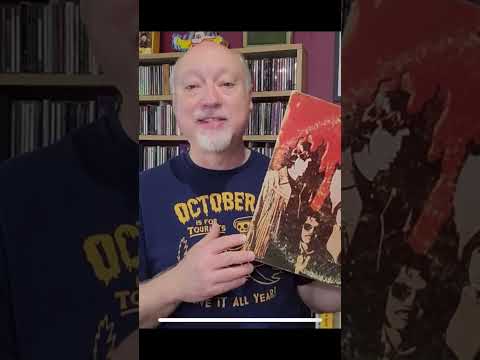
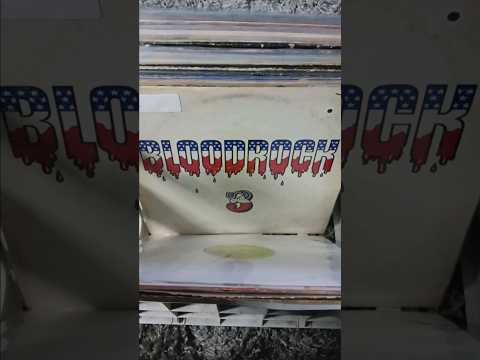
Bloodrock — Rare Footage & Clips
Fort Worth's own Bloodrock burst onto the scene in 1969, a time when the city's music landscape was as raw as its oil refineries. The band's early sound was a fusion of psychedelic rock and blues, with lyrics that often explored themes of social commentary and rebellion. Their self-titled debut album, released in 1970, was a modest success, reaching No. 160 on the US charts.
The album's standout track, "D.O.A. (Death of Anthro-Ape)," is a haunting example of the band's ability to craft memorable hooks and socially conscious lyrics. The song's ominous opening riff, with its repetitive guitar pattern and driving beat, sets the tone for the rest of the album. Lead vocalist Michael Lunn's distinctive vocals add an air of intensity to the proceedings, making "D.O.A." a standout track that still holds up today.
Bloodrock's early success was largely due to their ability to tap into the growing counterculture movement of the late 1960s and early 1970s. Their music reflected the era's emphasis on social change and rebellion against mainstream values. The band's lyrics often addressed issues such as war, pollution, and the exploitation of the working class, resonating with a generation of young people disillusioned with the status quo.
The band's second album, also released in 1970, saw them refining their sound and exploring new themes. "Bloodrock" features a more polished production and a greater emphasis on songcraft, with tracks like "Gotta Get It On" showcasing the band's ability to craft catchy, radio-friendly hits. However, it was their third album, "Bloodrock 2," that truly cemented their reputation as one of the most innovative and exciting new bands of the era.
Recorded in just a few days at Fort Worth's own Sound City Studios, "Bloodrock 2" is a raw and energetic album that captures the band's live sound with remarkable fidelity. The album's opening track, "You're Gonna Need Somebody on Your Bond," features a driving beat and a memorable guitar riff, while the title track itself showcases the band's ability to craft complex, atmospheric arrangements.
Bloodrock's subsequent albums continued to push the boundaries of what was possible in rock music. Their fourth album, "Bloodrock U.S.A.," saw them incorporating elements of country and folk into their sound, while their fifth album, "Passage," featured a more experimental approach, with lengthy instrumental passages and avant-garde production techniques.
Despite their innovative approach to music, Bloodrock's commercial success was limited. They never quite achieved the level of mainstream recognition they deserved, and by 1974, the band had disbanded, leaving behind a legacy that would take decades to fully appreciate.
In recent years, Bloodrock has experienced a resurgence in popularity, with many fans discovering their music through online archives like DeepCutsArchive. The site's extensive collection of rare and obscure recordings provides a unique window into the band's history, offering listeners a chance to experience their music in all its raw, unvarnished glory.
One clip from the archive that stands out is a live recording of "Gotta Get It On," captured at a 1971 show in Fort Worth. The track features a blistering performance from guitarist Jim Wachtel, who brings his A-game to the proceedings with a series of scorching guitar solos. The clip is a testament to Bloodrock's ability to craft memorable live performances, and it's a must-listen for fans of the band.
Bloodrock's significance in music history cannot be overstated. They were one of the first bands to emerge from the Fort Worth scene, which would go on to produce a number of influential acts in the years that followed. Their innovative approach to rock music helped pave the way for future generations of artists, and their influence can still be heard today.
In conclusion, Bloodrock's legacy is one of innovation, experimentation, and a commitment to pushing the boundaries of what was possible in rock music. Their music may not have achieved widespread commercial success during their initial run, but it has endured as a testament to the power of creative vision and artistic expression.
Curated from public records and music databases.