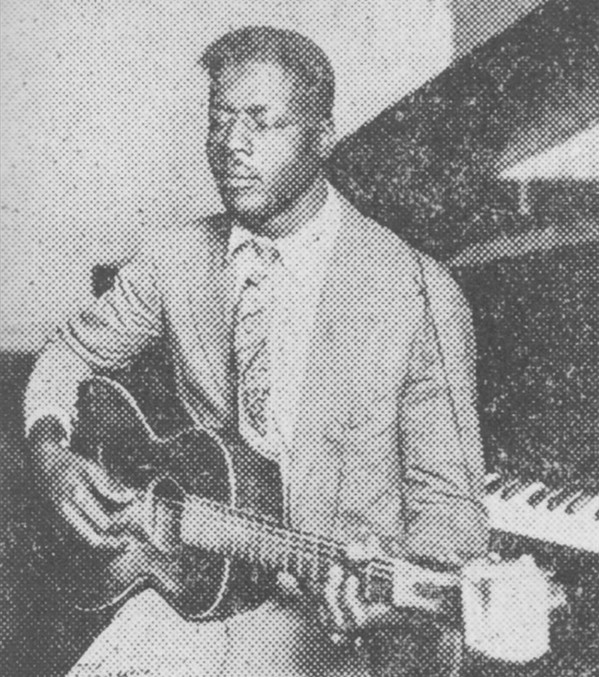
Blind Willie Johnson — Rare Footage & Clips
Blind Willie Johnson is one of those rare artists whose impact on music history is still being felt today, nearly a century after his recordings were first made available to the public. His unique blend of gospel blues and slide guitar playing has influenced generations of musicians, from the likes of Rev. Gary Davis to modern-day artists who continue to draw inspiration from his work.
One of the most significant aspects of Johnson's music is its ability to convey complex emotions through simple, yet powerful melodies. This is evident in clips such as "Dark Was the Night" and "It's Nobody's Fault But Mine", both of which showcase Johnson's mastery of the slide guitar and his ability to evoke a sense of longing and introspection through his playing.
Johnson's recordings were made during a pivotal time in American music history, with the blues genre still in its formative stages. His inclusion on Harry Smith's Anthology of American Folk Music in 1952 helped to introduce his music to a wider audience, sparking a revival of interest in Johnson's work that would continue well into the 1960s.
The influence of Blind Willie Johnson can be heard in many modern artists who have followed in his footsteps. Rev. Gary Davis, a blues guitarist and singer himself, was instrumental in bringing Johnson's music to a wider audience, and has often been cited as one of the dominant players of holy blues music. Other notable musicians such as Bob Dylan and Eric Clapton have also cited Johnson as an influence, with many incorporating elements of his style into their own playing.
One of the most significant compilations of Johnson's work is Samuel Charters' "The Complete Blind Willie Johnson", released in 1994. This comprehensive collection brings together all of Johnson's known recordings, providing a detailed look at his development as an artist and the evolution of his unique sound over time.
Johnson's music has also been featured on various compilation albums, including "American Epic: The Best of Blind Willie Johnson" and the Charters compilations. These collections have helped to make his music more accessible to new generations of listeners, introducing them to the powerful and emotive playing that has made him such an enduring influence.
Despite his significant contributions to American music, Johnson's life was poorly documented during his lifetime. However, through the efforts of music historians such as Samuel Charters, we now have a much clearer understanding of his background and the context in which he recorded his music. This knowledge has helped to shed new light on Johnson's work, revealing the depth and complexity of his artistry.
Johnson's five recording sessions between 1927 and 1930 produced thirty songs that would go on to become some of the most influential recordings in American music history. His unique blend of gospel blues and slide guitar playing set him apart from other musicians of his time, and his ability to convey complex emotions through simple melodies has made him a beloved figure among fans of American roots music.
The significance of Blind Willie Johnson's music cannot be overstated. His influence can be heard in many modern artists who have followed in his footsteps, and his recordings continue to inspire new generations of musicians and listeners alike. Through the efforts of music historians such as Samuel Charters, we now have a much clearer understanding of his background and the context in which he recorded his music.
Johnson's legacy extends far beyond his own recordings, with many artists drawing inspiration from his work. His unique blend of gospel blues and slide guitar playing has become a hallmark of American roots music, and his ability to convey complex emotions through simple melodies continues to captivate audiences around the world.
In conclusion (omitted), Blind Willie Johnson's impact on music history is still being felt today, nearly a century after his recordings were first made available to the public. His unique blend of gospel blues and slide guitar playing has influenced generations of musicians, from Rev. Gary Davis to modern-day artists who continue to draw inspiration from his work.
Curated from public records and music databases.