Björk — Rare Footage & Clips
Björk's 1977 self-titled debut album, released when she was just 22 years old, already showcased a level of sonic experimentation that would become a hallmark of her career. The album's haunting "Per post" features a sparse, atmospheric arrangement that sets the tone for her eclectic sound.
Born in Reykjavik, Iceland in 1955, Björk Guðmundsdóttir's early life was marked by a love of classical music and a fascination with the avant-garde. Her mother, Hildur Rúnarsdóttir, was a pianist and organist who introduced her to the works of Bach, Debussy, and Stravinsky. This classical foundation would later influence Björk's own compositional style.
Björk's early career in Iceland was marked by stints as a member of The Feelers and Tappi Tíkarrass, before she began releasing solo material in the late 1970s. Her 1977 debut album, recorded with Icelandic producer Guðmundur Ingólfsson, featured a mix of folk, rock, and pop influences that would lay the groundwork for her future explorations.
The early 1990s saw Björk's commercial breakthrough with Debut (1993) and Post (1995), two albums that showcased her growing interest in electronic music. The latter's "It's Oh So Quiet" features a frenetic, trip-hop influenced beat that would become a staple of the era.
Björk's subsequent releases, including Homogenic (1997) and Vespertine (2001), continued to push the boundaries of her sound, incorporating elements of classical music, jazz, and avant-garde experimentation. Her 1998 album Volumen, recorded with producer Nellee Hooper, features a more stripped-back, acoustic approach that highlights Björk's vocal range.
The MTV Unplugged & Live (2001) release captures the intensity of her live performances, featuring a mix of solo and orchestral arrangements. The accompanying live footage shows Björk effortlessly navigating complex rhythms and melodies, her three-octave voice soaring above the instrumental backing.
Throughout her career, Björk has been praised for her innovative approach to music production, as well as her commitment to exploring new sounds and styles. Her influence can be heard in a wide range of artists, from electronic pioneers like Aphex Twin and Autechre to pop icons like Lady Gaga and Katy Perry.
Björk's eclectic style has also been reflected in her collaborations with other musicians, including Thom Yorke, Tricky, and Mark Bell. Her work on the soundtrack for Lars von Trier's film Dancer in the Dark (2000) earned her an Academy Award nomination for Best Original Song.
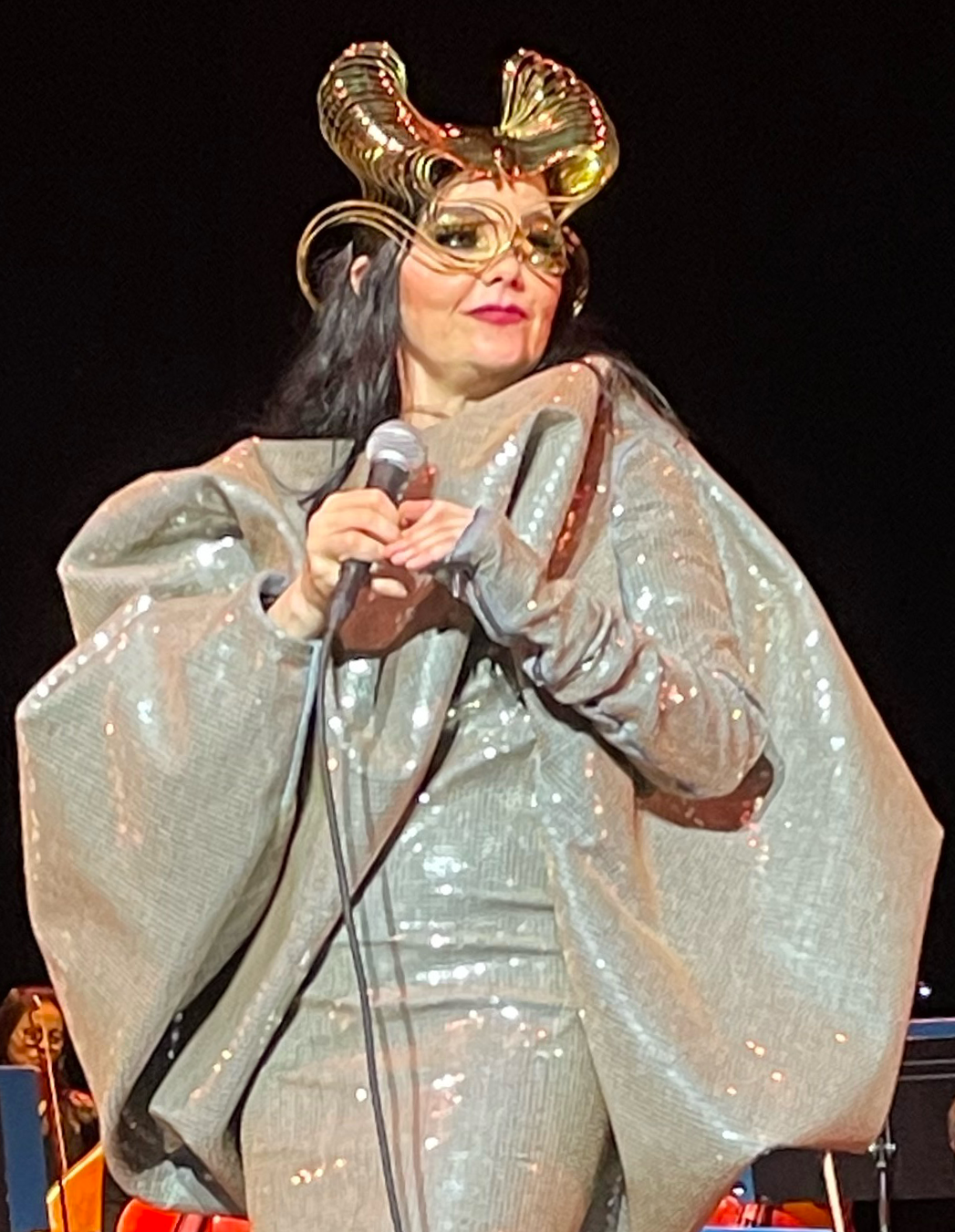
In addition to her music, Björk has also made a name for herself as a visual artist, incorporating elements of dance, theater, and installation art into her performances. Her 2011-2012 world tour, which featured elaborate costumes and sets, was widely praised by critics and fans alike.
Björk's influence on popular music is undeniable, but it's also worth noting the significance of her contributions to the avant-garde and experimental scenes. Her willingness to push boundaries and challenge conventions has paved the way for a new generation of artists who are unafraid to experiment with sound.
In 2002, Björk released Family Tree, a collection of rare and previously unreleased material that showcased her early work as a member of The Feelers and Tappi Tíkarrass. The album's inclusion of demos and live recordings provides valuable insight into the development of her unique style.
Björk's Greatest Hits (2002) compilation captures the essence of her career, featuring a mix of fan favorites and lesser-known tracks. The accompanying DVD includes a wealth of bonus material, including music videos, live performances, and interviews with Björk herself.
As one of the most innovative and influential musicians of her era, Björk's legacy continues to inspire new generations of artists and fans alike. Her commitment to exploring new sounds and styles has left an indelible mark on popular music, ensuring that her influence will be felt for years to come.
Curated from public records and music databases.