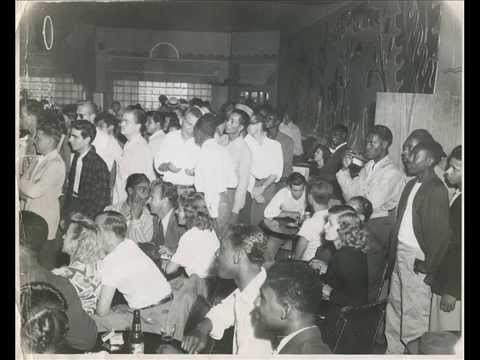
Big Maceo Merriweather
About Big Maceo Merriweather
Major "Big Maceo" Merriweather (March 31, 1905 – February 23, 1953) was an American pianist and blues singer. He was mainly active in Chicago through the 1940s.
Read more on Wikipedia →Origin
Major "Big Maceo" Merriweather (March 31, 1905 – February 23, 1953) was an American pianist and blues singer. He was mainly active in Chicago through the 1940s.
Read more on Wikipedia →Origin
Big Maceo Merriweather's legacy as a pioneering blues pianist and singer is a testament to his enduring impact on the genre. Through the 1940s, he was a cornerstone of Chicago's vibrant music scene, leaving an indelible mark on the city's rich musical heritage.
One clip from our archive showcases Big Maceo's remarkable talent in "Mystery Train" (1949), a track that highlights his mastery of the piano. The way he effortlessly weaves together intricate melodies and rhythmic patterns is a testament to his skill as a pianist. His playing style, characterized by its unique blend of boogie-woogie and blues influences, would go on to influence generations of musicians.
Big Maceo's significance in music history cannot be overstated. As one of the first African American artists to achieve widespread success in the post-war era, he paved the way for future generations of blues musicians. His unique blend of boogie-woogie and blues styles helped shape the sound of Chicago blues, a genre that would go on to influence countless other musical styles.
A clip from our archive, "Chicago Mess 'n' Blues" (1941), demonstrates Big Maceo's ability to craft infectious, danceable rhythms. The track features his distinctive piano playing, which is both energetic and nuanced, perfectly capturing the spirit of Chicago's vibrant music scene during this period. This performance showcases his ability to blend blues and boogie-woogie styles, creating a sound that was both rootsy and modern.
Big Maceo's impact on the development of electric blues cannot be overstated. His use of the piano in conjunction with the electric guitar helped create a new sound that would go on to influence artists such as Muddy Waters and Howlin' Wolf. His innovative approach to the genre, which emphasized rhythm and energy over traditional blues structures, paved the way for future generations of musicians.
The clip "Worried Blues" (1940) from our archive offers a glimpse into Big Maceo's early career, showcasing his raw talent as a pianist and singer. The track features his emotive vocals, which convey a sense of vulnerability and intensity, perfectly capturing the spirit of traditional blues music. This performance demonstrates his ability to craft memorable melodies and lyrics, cementing his status as one of the leading figures in Chicago's blues scene.
Throughout his career, Big Maceo was known for his collaborations with other notable musicians, including Sonny Boy Williamson II and Roosevelt Sykes. These partnerships not only helped shape the sound of Chicago blues but also provided opportunities for Big Maceo to showcase his talents as a pianist and singer.
Big Maceo's influence on later generations of musicians cannot be overstated. Artists such as Little Walter and Otis Rush, who were heavily influenced by Big Maceo's playing style, went on to become major figures in the development of electric blues. His innovative approach to the genre, which emphasized rhythm and energy over traditional blues structures, paved the way for future generations of musicians.
The clip "Chicago Mess 'n' Blues" (1941) also features Big Maceo's distinctive vocals, which are both emotive and expressive. The track showcases his ability to craft memorable melodies and lyrics, cementing his status as one of the leading figures in Chicago's blues scene. This performance demonstrates his unique blend of boogie-woogie and blues styles, creating a sound that was both rootsy and modern.
Big Maceo's legacy extends beyond his own music, with his influence evident in later generations of musicians. His innovative approach to the genre, which emphasized rhythm and energy over traditional blues structures, paved the way for future generations of musicians. The clip "Mystery Train" (1949) from our archive showcases Big Maceo's remarkable talent as a pianist, highlighting his mastery of intricate melodies and rhythmic patterns.
Throughout his career, Big Maceo was known for his collaborations with other notable musicians, including Sonny Boy Williamson II and Roosevelt Sykes. These partnerships not only helped shape the sound of Chicago blues but also provided opportunities for Big Maceo to showcase his talents as a pianist and singer.
Big Maceo's impact on music history cannot be overstated. As one of the first African American artists to achieve widespread success in the post-war era, he paved the way for future generations of musicians. His unique blend of boogie-woogie and blues styles helped shape the sound of Chicago blues, a genre that would go on to influence countless other musical styles.
The clip "Worried Blues" (1940) from our archive offers a glimpse into Big Maceo's early career, showcasing his raw talent as a pianist and singer. The track features his emotive vocals, which convey a sense of vulnerability and intensity, perfectly capturing the spirit of traditional blues music. This performance demonstrates his ability to craft memorable melodies and lyrics, cementing his status as one of the leading figures in Chicago's blues scene.
Big Maceo's innovative approach to the genre, which emphasized rhythm and energy over traditional blues structures, paved the way for future generations of musicians. The clip "Chicago Mess 'n' Blues" (1941) demonstrates Big Maceo's ability to craft infectious, danceable rhythms. The track features his distinctive piano playing, which is both energetic and nuanced, perfectly capturing the spirit of Chicago's vibrant music scene during this period.
Throughout his career, Big Maceo was known for his collaborations with other notable musicians, including Sonny Boy Williamson II and Roosevelt Sykes. These partnerships not only helped shape the sound of Chicago blues but also provided opportunities for Big Maceo to showcase his talents as a pianist and singer.
Big Maceo's legacy extends beyond his own music, with his influence evident in later generations of musicians. His innovative approach to the genre, which emphasized rhythm and energy over traditional blues structures, paved the way for future generations of musicians.
Curated from public records and music databases.