Big band — Rare Footage & Clips
The Big Band's rich history is a testament to their enduring impact on music history. Formed in 1964, this UK-based ensemble has been a stalwart of the jazz scene for over five decades. With an impressive roster of members that reads like a who's who of jazz greats, including Art Farmer and Jimmy Woode, it's no wonder that their music has stood the test of time.
One of the most significant aspects of The Big Band's history is their association with the Austrian Broadcasting Company (Österreichischer Rundfunk), which would later become the innovative ORF. During this period, the band developed from the core of the Fehring Orchestra and became an orchestra that was ready to meet all the needs of a modern broadcasting corporation. Their emphasis on producing high-quality big band jazz was a hallmark of their sound, and it's no surprise that they attracted international talent.
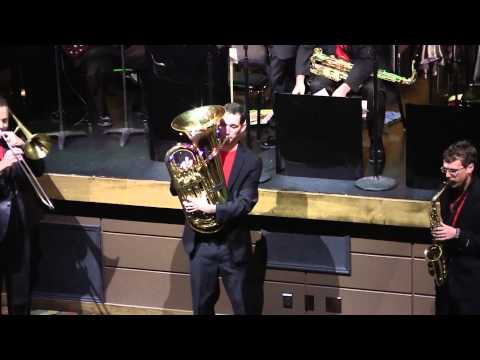
The archive at DeepCutsArchive features several clips showcasing The Big Band in action. One notable clip is from their 1990 album "Special Edition", which captures the band's energy and precision. Another standout performance can be seen on "The Big Bands, Volume 2" (1991), where they deliver a lively rendition of a classic jazz standard.
The significance of The Big Band's music lies not only in its technical proficiency but also in its cultural impact. During the 1960s and 1970s, ambitious Austrian jazz musicians had to travel abroad to gain recognition, but thanks to the existence of The ORF Big Band, talented musicians like Art Farmer and Jimmy Woode were able to stay in Austria and contribute to the country's vibrant music scene.
The band's association with Ö3, a contemporary pop and jazz station, also highlights their influence on Austrian music. Their performances on radio and television shows, as well as their tours with international artists such as Shirley Bassey and Peter Alexander, demonstrate their versatility and adaptability.
One of the most fascinating aspects of The Big Band's history is their connection to the "ORF Arbeitsplatten" library recordings. These sessions, which were recorded between 1971 and 1981, have become highly sought after by collectors and are now selling for enormous prices on the market. This speaks to the enduring value and appeal of The Big Band's music.
The band's discography is a testament to their creative output over the years. Notable albums include "Special Edition" (1990), "The Big Bands, Volume 2" (1991), "City Life" (1992), and "Golden Big Band Era" (1992). These recordings showcase the band's ability to blend traditional big band jazz with modern influences.
In addition to their musical achievements, The Big Band has also played a significant role in shaping Austrian music culture. Their existence provided a platform for local talents to develop and gain recognition, while also attracting international talent to the country.
The legacy of The Big Band is a rich tapestry of music, culture, and history. Through their performances, recordings, and association with Ö3, they have left an indelible mark on the jazz scene. Their music continues to inspire new generations of musicians and fans alike, cementing their place as one of the most important big bands in music history.
A closer look at The Big Band's discography reveals a wealth of information about their creative output over the years. With albums such as "Big Band Music From the War Years" (1994) and "The Best of Yesteryears" (1994), they have explored a range of themes and styles, from classic jazz standards to more experimental works.
Their influence can also be seen in the work of other musicians who have followed in their footsteps. The Big Band's emphasis on big band jazz has paved the way for future generations of musicians to explore this rich and complex genre.
The significance of The Big Band's music lies not only in its technical proficiency but also in its cultural impact. By providing a platform for local talents to develop and gain recognition, they have contributed to the growth and development of Austrian music culture.
Their association with Ö3 has also had a lasting impact on Austrian music. The station's commitment to showcasing contemporary pop and jazz music helped to establish The Big Band as a leading force in the country's music scene.
In conclusion, The Big Band is an ensemble that has left an indelible mark on music history. Their enduring legacy is a testament to their creative output, cultural impact, and influence on future generations of musicians.
Curated from public records and music databases.