DeepCutsArchive
BrowseArtistsTimelineMapDecadesSubmit

DeepCutsArchive

Preserving the footage that shaped music history. Rare clips, studio sessions, and moments lost to time.

BrowseArtistsGenresDecadesLocationsSubmit a ClipAboutContactEditorial PolicyArticles

© 2026 DeepCutsArchive. All footage remains the property of its original creators.

Privacy PolicyTerms of UseSupport

Developed with love as a personal project by Jamie McDonnell

ui-ux-design.comai-consultancy.company
Atomic Rooster — Rare Clips — DeepCutsArchive — DeepCutsArchive
Atomic Rooster

Atomic Rooster

1969–1983United Kingdom1970s2020s

About Atomic Rooster

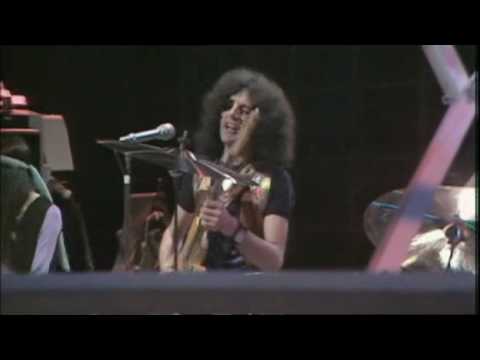
Atomic Rooster are a British rock band originally formed by members of The Crazy World of Arthur Brown, organist Vincent Crane and drummer Carl Palmer. Their history is defined by two periods: the early-mid-1970s and the early 1980s. The band went through radical style changes, but they are best known for the hard, progressive rock sound of their hit singles, "Tomorrow Night" (UK No. 11) and "Devil's Answer" (UK No. 4), both in 1971. In 2016 Atomic Rooster reformed with permission from Crane's widow, with the new line-up featuring two members from the various 1970s incarnations of the band.

Read more on Wikipedia →

Formed

1969 – 1983

Origin

United Kingdom

Discography

Atomic Roooster (1970)

Death Walks Behind You (1970)

In Hearing Of (1971)

Made in England (1972)

IV (1973)

Nice ’n’ Greasy (1973)

Attention! Atomic Rooster! (1975)

Home to Roost (1977)

Atomic Rooster (1980)

Headline News (1983)

Devil's Answer (1989)

The Best Of & The Rest Of (1989)

The Best of Atomic Rooster (1990)

Space Cowboy (1991)

Devil's Answer (1998)

Members

S

Steve Bolton

multi-instrumentalist

J

John Goodsall

multi-instrumentalist

Chris Farlowe

Chris Farlowe

multi-instrumentalist

P

Paul Hammond

multi-instrumentalist

J

John Du Cann

multi-instrumentalist

Atomic Rooster by Type

TV AppearanceLiveStudioTourRare

Featured

Thumbnail for 04 A Spoonful Of Bromide Helps The Pulse Rate Go Down - 1972 French TV - Atomic Rooster *HQ* by Atomic Rooster4:22

04 A Spoonful Of Bromide Helps The Pulse Rate Go Down - 1972 French TV - Atomic Rooster *HQ*

Atomic Rooster

1970sTV Appearance

Atomic Rooster by Decade

1970s2020s

Keep Exploring

1960s1980sAll ArtistsAll GenresAll Decades
V

Vincent Crane

multi-instrumentalist

N

Nick Graham

multi-instrumentalist

P

Pete French

multi-instrumentalist

P

Peter French

multi-instrumentalist

R

Ric Parnell

multi-instrumentalist

Carl Palmer

Carl Palmer

multi-instrumentalist

Clinic
Thumbnail for Atomic Rooster- Live on Pop Shop 1972 by Atomic Rooster28:39

Atomic Rooster- Live on Pop Shop 1972

Atomic Rooster

1970sLive

Live4 clips

  • Thumbnail for Atomic Rooster- Live on Pop Shop 1972 by Atomic Rooster28:39

    Atomic Rooster- Live on Pop Shop 1972

    Atomic Rooster

    1970sLive
  • Thumbnail for Atomic Rooster - Can't Find A Reason - Live, Belgium 1972 (Remastered) by Atomic Rooster4:32

    Atomic Rooster - Can't Find A Reason - Live, Belgium 1972 (Remastered)

    Atomic Rooster

    1970sLive
  • Thumbnail for Atomic Rooster Sleeping For Years & Vug (Live) by Atomic Rooster16:56

    Atomic Rooster Sleeping For Years & Vug (Live)

    Atomic Rooster

    1970sLive
  • Thumbnail for Atomic Rooster - Breakthrough / Black Snake / A Spoonful - Live 1972 (Restored and Remastered) by Atomic Rooster18:24

    Atomic Rooster - Breakthrough / Black Snake / A Spoonful - Live 1972 (Restored and Remastered)

    Atomic Rooster

    1970sLive

TV Appearance2 clips

  • Thumbnail for 04 A Spoonful Of Bromide Helps The Pulse Rate Go Down - 1972 French TV - Atomic Rooster *HQ* by Atomic Rooster4:22

    04 A Spoonful Of Bromide Helps The Pulse Rate Go Down - 1972 French TV - Atomic Rooster *HQ*

    Atomic Rooster

    1970sTV Appearance
  • Thumbnail for Atomic Rooster - VUG  (Belgian TV Studios - RTBF) 1972 by Atomic Rooster4:50

    Atomic Rooster - VUG (Belgian TV Studios - RTBF) 1972

    Atomic Rooster

    1970sTV AppearanceStudio

More Clips6 clips

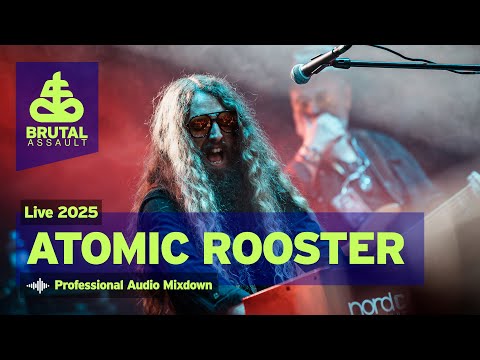
  • Thumbnail for Brutal Assault 28 - Atomic Rooster (live) 2025 by Atomic Rooster14:46

    Brutal Assault 28 - Atomic Rooster (live) 2025

    Atomic Rooster

    2020sClinicLive
  • Thumbnail for Atomic Rooster - Devil's Answer @ Reigen, Vienna, Austria 2024 by Atomic Rooster10:15

    Atomic Rooster - Devil's Answer @ Reigen, Vienna, Austria 2024

    Atomic Rooster

    2020s
  • Thumbnail for ATOMIC ROOSTER   The Ultimate Anthology by Atomic Rooster41:31

    ATOMIC ROOSTER The Ultimate Anthology

    Atomic Rooster

    1970s
  • Thumbnail for Atomic Rooster-Tomorrow Night (TOTP 1971) by Atomic Rooster2:53

    Atomic Rooster-Tomorrow Night (TOTP 1971)

    Atomic Rooster

    1970s
  • Thumbnail for 07 Broken Wings - Atomic Roooster (1970) - Atomic Rooster by Atomic Rooster5:52

    07 Broken Wings - Atomic Roooster (1970) - Atomic Rooster

    Atomic Rooster

    1970s
  • Thumbnail for ATOMIC ROOSTER-PLAY THE GAME by Atomic Rooster5:01

    ATOMIC ROOSTER-PLAY THE GAME

    Atomic Rooster

    1970s
Browse by Tag
More from 1970s

Atomic Rooster — Rare Footage & Clips

Vincent Crane's tortured organ wails still echo through the ruins of 70s rock. In a era where excess and decadence reigned supreme, Atomic Rooster stood out for their unapologetic darkness and sonic brutality. Formed in 1969 by Crane and drummer Carl Palmer, fresh from their stint with The Crazy World of Arthur Brown, the band's early years were marked by a series of lineup changes that would become a defining characteristic of their career.

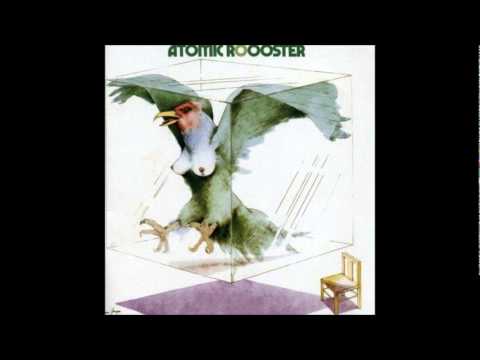
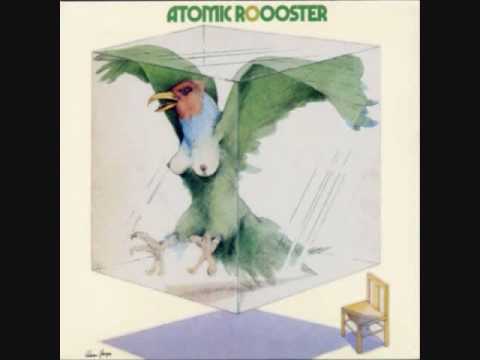
Their debut album, Atomic Roooster (1970), was a raw, unpolished affair that hinted at the band's potential for something more. But it was their second album, Death Walks Behind You (1970), that truly announced their arrival on the scene. The record's title track, with its driving rhythms and haunting organ lines, is still a standout in the band's catalog.

The early 70s saw Atomic Rooster undergo a significant transformation, one that would cement their place in the annals of rock history. With the addition of guitarist John Cann and bassist Brian Gardner, the band's sound became more refined, more complex, and more menacing. Their third album, In Hearing Of (1971), was a critical and commercial success, with the hit singles "Tomorrow Night" and "Devil's Answer" propelling them to new heights.

These two songs, in particular, showcased the band's ability to craft catchy, anthemic rock that belied their darker inclinations. "Tomorrow Night", with its soaring chorus and crunching guitars, is a staple of 70s rock radio, while "Devil's Answer" is a masterclass in building tension through repetition. Both songs have been cited as influences by numerous bands, including Judas Priest and Iron Maiden.

But Atomic Rooster's significance extends beyond their hit singles. Their music was a product of its time, reflecting the social and cultural upheaval of the late 60s and early 70s. The band's use of Eastern musical influences, courtesy of Crane's fascination with Indian classical music, added a unique texture to their sound.

As the decade wore on, Atomic Rooster continued to evolve, incorporating more progressive elements into their music. Their fourth album, Made in England (1972), was a sprawling epic that showcased the band's growing ambition. But it was their fifth album, IV (1973), that truly pushed the boundaries of what was possible in rock music.

IV is a dense, complex record that defies easy categorization. With its intricate instrumental passages and conceptual themes, it's a true precursor to the progressive rock movement of the late 70s. The album's closing track, "You're Coming Back", is a haunting ballad that showcases Crane's mastery of the organ.

The mid-70s saw Atomic Rooster undergo another lineup change, with Cann departing and guitarist Paul Hammond joining the fold. This new incarnation released two albums, Nice 'n' Greasy (1973) and Attention! Atomic Rooster! (1975), both of which were met with critical acclaim but commercial disappointment.

The band's popularity waned in the late 70s, but they continued to release music throughout the decade. Home to Roost (1977) was a more experimental affair, featuring extended instrumental passages and avant-garde soundscapes. But it was their final album of the decade, Atomic Rooster (1980), that marked a return to form.

The 80s saw Atomic Rooster's popularity wax and wane, but they continued to release music until their eventual disbandment in 1983. Their final studio album, Headline News (1983), was a commercial failure, but it remains a fascinating footnote in the band's history.

In recent years, Atomic Rooster has experienced a resurgence of interest, thanks in part to the reformation of the band in 2016 with permission from Crane's widow. The new lineup features two members from the various 1970s incarnations of the band, and has been touring extensively in support of their latest material.

As we look back on Atomic Rooster's legacy, it's clear that they were a band ahead of their time. Their music was a product of its era, reflecting the social and cultural upheaval of the late 60s and early 70s. But it's also a testament to the enduring power of rock music, which continues to inspire new generations of musicians and fans alike.

Their influence can be heard in everything from Judas Priest to Iron Maiden, and their music remains a staple of 70s rock radio. As we continue to explore the depths of Atomic Rooster's catalog, one thing is clear: this band was never just about the music – it was about the attitude, the swagger, and the unapologetic darkness that defined an era.

Curated from public records and music databases.