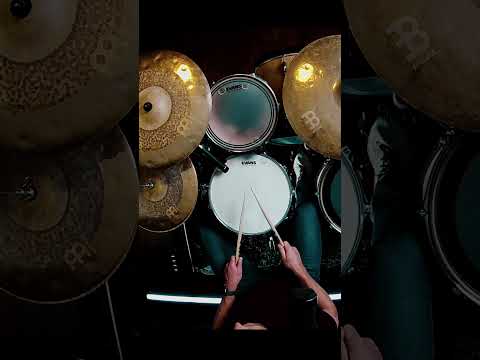
Andrew Smith — Rare Footage & Clips
The Great Neck sound, a sonic fingerprint that echoes through the annals of music history like a whispered secret. Andrew Watt, born Andrew Wotman on October 20, 1990, is its most unlikely ambassador. From the Long Island suburbs to the world's stages, Watt's production prowess has left an indelible mark on contemporary music.
Watt's trajectory began in obscurity, with early credits scattered across various projects like a breadcrumb trail leading nowhere. But it was his work on Justin Bieber's "Sorry" (2015) that first hinted at his genius. The song's infectious beat and memorable hooks showcased Watt's uncanny ability to craft hits. This talent would soon propel him into the stratosphere, earning him three Grammy Awards, including Producer of the Year in 2021.
Watt's collaborations are a veritable who's who of music royalty: Lady Gaga, Post Malone, Miley Cyrus – the list goes on. His work with Elton John on "Never Too Late" (2025) earned him an Academy Award nomination for Best Original Song. This is no small feat; Watt's name now sits alongside some of the most esteemed songwriters and producers in history.
But what sets Watt apart from his peers? It's not just his impressive résumé or awards haul – though these are undeniably impressive. Rather, it's the way he seems to tap into the zeitgeist, conjuring sounds that feel both timeless and contemporary. His production style is a masterful blend of nostalgia and innovation, drawing on classic influences while pushing the boundaries of what's possible.
One need look no further than his work with the Rolling Stones for evidence. Watt co-produced "Hate to See You Go" (2020), a track that finds the Stones channeling their inner blues-rock demons. The result is a song that feels both retro and forward-thinking, as if the band has been transported through time to collaborate with Watt in some alternate universe.
Watt's impact on music history cannot be overstated. He's one of the few producers who can claim to have worked with icons from multiple generations: Paul McCartney, Ozzy Osbourne, Pearl Jam – each collaboration a testament to his versatility and range. And yet, despite this dizzying array of credits, Watt remains an enigma, a behind-the-scenes mastermind whose name is often eclipsed by those he works with.
But make no mistake: Andrew Watt's influence will be felt for years to come. His production style has already begun to seep into the mainstream, influencing a new generation of artists and producers. As we look back on his career, it's clear that Watt's legacy extends far beyond his individual credits – he's helping shape the sound of an entire era.
And yet, despite this impressive body of work, there's still something elusive about Watt. Like a ghost hovering just out of sight, his presence is felt throughout the music industry, but rarely seen or acknowledged. Perhaps it's because he operates in the shadows, preferring to let his music speak for itself rather than seeking the spotlight.
Whatever the reason, one thing is certain: Andrew Watt's impact on music history will only continue to grow as the years pass. His name will become synonymous with excellence, a benchmark against which future producers and songwriters will be measured. And when we look back on this era of music, it's likely that Watt's contributions will be seen as a turning point – a moment when the sound of the past collided with the possibilities of the present to create something entirely new.
The Great Neck sound may have started in obscurity, but under Andrew Watt's guidance, it has become a force to be reckoned with. As we continue to explore his remarkable career, one thing becomes clear: Watt is not just a producer or songwriter – he's a sonic architect, shaping the very fabric of our musical landscape.
Curated from public records and music databases.