Andreas Kisser — Rare Footage & Clips
The Brazilian metal landscape is a vast and unforgiving terrain, where the bravest warriors have risen to claim their place among the gods. Andreas Kisser, the lead guitarist for Sepultura, has been one of the most dominant forces in this realm since his arrival on the scene in 1968. Born on August 24th of that year, Kisser's life was forever changed by the sounds emanating from the radios and record players of Brazil's urban centers.
His early years were spent absorbing the rhythms and melodies of Brazilian music, a fusion of African, European, and indigenous influences that would later shape his own unique style. But it wasn't until the late 1980s, when Sepultura's debut album "Morbid Visions" was released, that Kisser's true calling became apparent. The band's early work was marked by a raw, unbridled energy that spoke to the frustrations and disillusionments of Brazil's youth.
As Sepultura's lead guitarist, Kisser would go on to shape the sound of the band, coaxing out the full fury of their music with his intricate, percussive playing style. His work on albums such as "Chaos A.D." (1993) and "Roots" (1996) helped establish Sepultura as one of the leading forces in the global metal scene, earning them a reputation for sonic intensity and lyrical depth.
But Kisser's contributions to Sepultura extend far beyond his guitar work. He has been an integral part of the band's creative process since their second album "Schizophrenia" (1989), and has co-written many of their most iconic songs. His songwriting partnership with vocalist Max Cavalera produced some of Sepultura's most enduring works, including the hauntingly beautiful "No Coração dos Deuses" from their 1999 album of the same name.
This album, released during a tumultuous period in Brazil's history, marked a significant departure for Sepultura. The band had been experimenting with new sounds and styles, incorporating elements of Brazilian folk music into their metal framework. Kisser's guitar work on "No Coração dos Deuses" is a masterclass in subtlety, as he weaves together intricate patterns and textures to create a sense of depth and atmosphere.
Kisser's influence extends beyond Sepultura, however. He has been involved with various side projects over the years, including the rock supergroup Hail!, which featured members of Pantera and other notable acts. His work with these bands has allowed him to explore new sounds and styles, pushing the boundaries of what is possible within the metal genre.
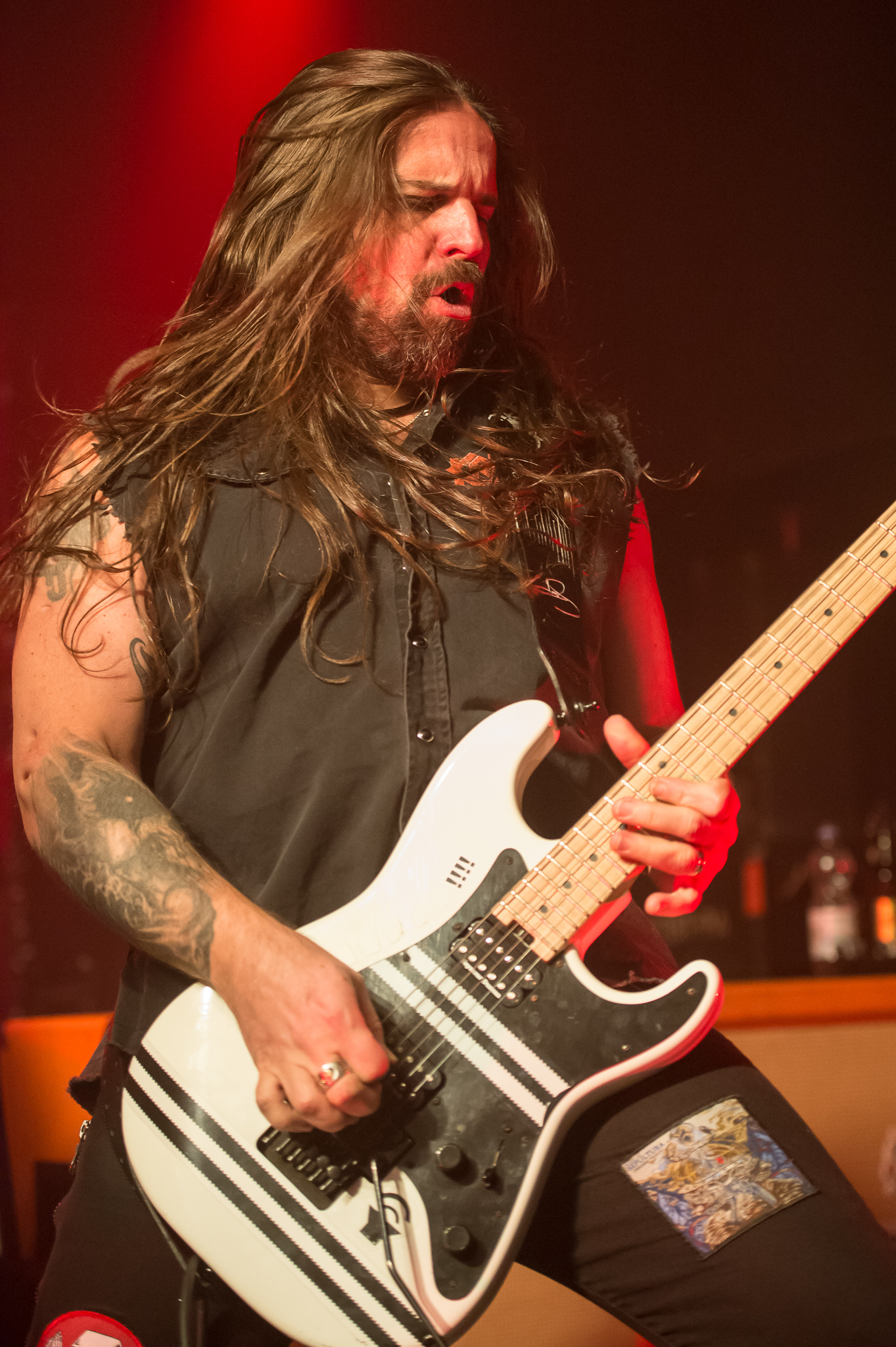
One clip from the DeepCutsArchive captures Kisser's live performance during Sepultura's 2009 tour in support of their album "A-Lex". The video shows Kisser shredding through the song "War", his guitar work a blur of speed and precision as he conjures up a maelstrom of sound. This is not just a display of technical virtuosity, but also a testament to Kisser's ability to connect with his audience on a primal level.
But what sets Kisser apart from other metal guitarists is his willingness to experiment and push the boundaries of what is possible within the genre. His work on Sepultura's 2009 album "Hubris I & II" is a prime example, as he incorporates elements of Brazilian music into the band's sound. The result is a unique blend of styles that is both deeply rooted in metal tradition and yet distinctly innovative.
Kisser's significance in music history cannot be overstated. As one of the leading figures in Sepultura, he has helped shape the sound of a generation of metal bands. His influence can be heard in everything from the more aggressive, percussive styles of modern metal to the more experimental, atmospheric sounds of contemporary rock.
But Kisser's impact extends beyond his work with Sepultura. He has been a key figure in the development of Brazilian metal as a whole, helping to establish the country as a major force within the global metal scene. His legacy will continue to inspire and influence new generations of musicians, cementing his place among the pantheon of metal greats.
As Kisser continues to create music that is both deeply rooted in tradition and yet boldly innovative, it's clear that he remains one of the most important figures in modern metal. His work with Sepultura has left an indelible mark on the genre, and his influence will be felt for years to come.
Curated from public records and music databases.








![Thumbnail for SEPULTURA - Sons De Carrilhões / Andreas Kisser Unplugged [HDadv] live Rockpalast by Andreas Kisser](https://img.youtube.com/vi/rdthcKCRM8Q/hqdefault.jpg)