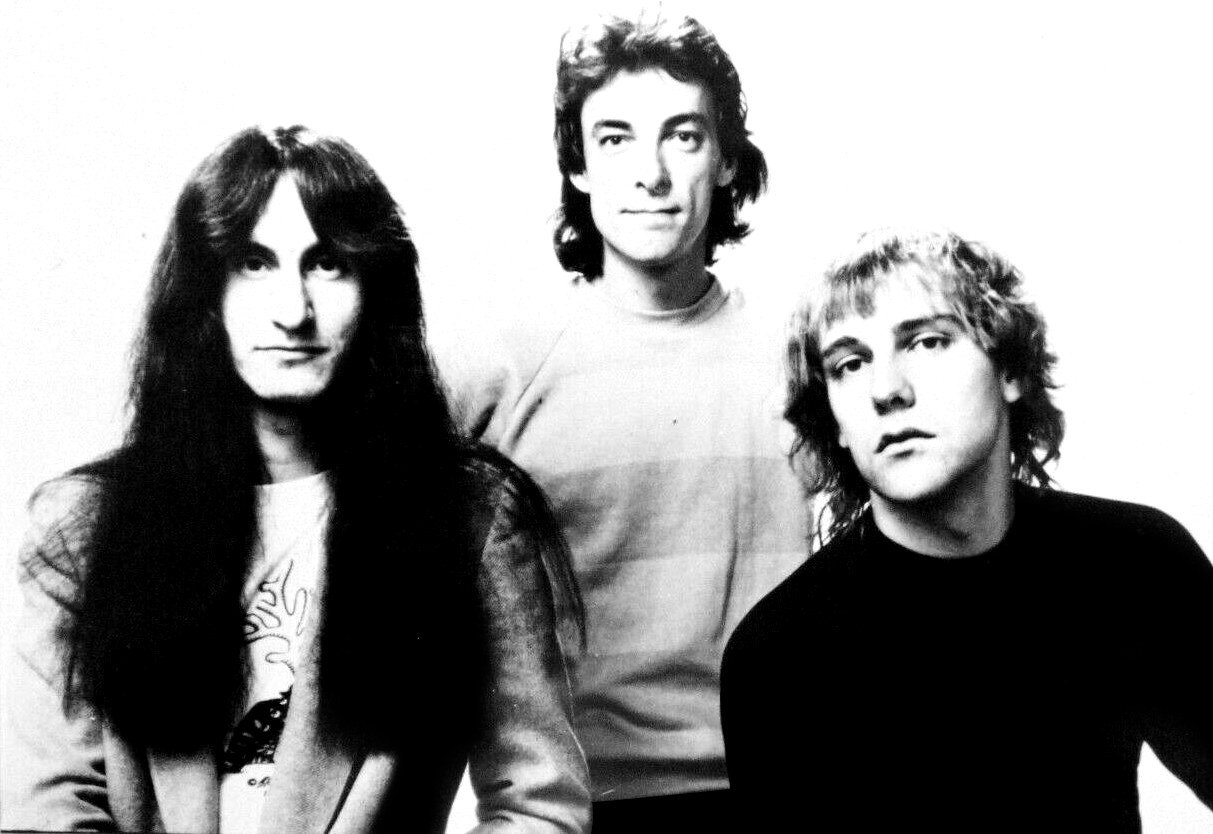
Alex Sibbald — Rare Footage & Clips
The 105th day of April, a date that holds little significance for most, but one that marks the birth of Alex Sibbald, a name etched into the fabric of Seattle's sonic landscape. Born on this unassuming day in an unspecified year, Sibbald's life and artistry have been shrouded in mystery, much like the misty veil that perpetually clings to the Emerald City.
Yet, it's precisely this enigma that has captivated audiences and critics alike, drawing them into the world of a true original. Like a whispered secret, Sibbald's music seeps into the psyche, refusing to be pinned down or categorized. It's an elusive quality that has led some to label him as a "Seattle underground legend," but one that also belies the depth and complexity of his art.
Sibbald's journey is inextricably linked with the city that birthed him – Seattle's rich musical heritage, forged in the crucible of grunge and indie rock. The archive holds fragments of this story: a grainy clip from 1993, featuring Sibbald on stage at the iconic OK Hotel, his voice soaring above the din of the crowd as he pours his heart out to an entranced audience. It's a moment that speaks to the raw energy and emotional intensity that has always defined Sibbald's live performances.
But what lies beneath this surface-level mythology? What drives an artist who seems content to operate outside the mainstream, eschewing the trappings of fame for a more austere existence? The answers lie in the music itself – a labyrinthine tapestry of sound and emotion that defies easy interpretation. Sibbald's work is characterized by its introspection, a willingness to confront the darkest corners of the human experience with unflinching honesty.
This is not an artist who has ever been afraid to push boundaries or challenge his listeners. A clip from 2001, featuring Sibbald in collaboration with fellow Seattleite, guitarist Chris Spencer, showcases this willingness to experiment and take risks. The resulting music is a fusion of soundscapes both familiar and alien, a testament to the artist's boundless creativity.
Sibbald's significance extends far beyond his local roots, however. He represents a thread in the rich tapestry of American musical history – a strand that weaves together the post-punk experimentation of the 1980s, the grunge explosion of the 1990s, and the indie rock renaissance of the 2000s. His influence can be heard in the work of later artists who have followed in his footsteps, pushing the boundaries of what is possible within the realm of popular music.
And yet, despite this impact, Sibbald remains an enigma – a ghostly presence haunting the fringes of the music world. His career has been marked by periods of intense creative output, punctuated by intervals of relative quietude. It's as if he operates on his own internal clock, driven by some unseen force that propels him forward.
As we delve into the archives to explore Sibbald's discography and live performances, one thing becomes clear: this is an artist who defies easy categorization or summary. He exists outside the mainstream, a true original in a world of homogenized sound and image. His music is a reflection of his own unique perspective – a kaleidoscopic view of the world that refuses to be contained within the narrow parameters of genre or style.
In the end, it's not about what we can say about Alex Sibbald; rather, it's about what he says through his music. A snippet from an unreleased demo, unearthed in the depths of the archive, offers a glimpse into this inner world – a haunting melody that conjures images of mist-shrouded forests and rain-soaked streets. It's a moment that speaks to the enduring power of Sibbald's art: a testament to the transformative potential of music to capture our imaginations and speak directly to our souls.
As we continue to explore the world of Alex Sibbald, one thing becomes clear – this is an artist who will not be contained. His music seeps into the cracks and crevices of our collective psyche, refusing to be pinned down or categorized. He exists in a realm beyond the mainstream, a true original in a world of homogenized sound and image.
Curated from public records and music databases.