Adrian Borland — Rare Footage & Clips
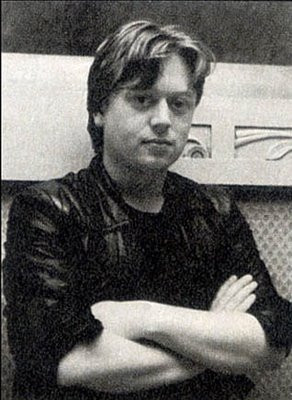
Adrian Borland's legacy is a testament to the transformative power of music, leaving an indelible mark on the post-punk movement and beyond. As the enigmatic frontman of The Sound, he embodied the raw energy and emotional intensity that defined the era. Through his work with various bands and as a solo artist, Borland consistently pushed the boundaries of sound, creating a distinctive sonic landscape that continues to captivate audiences today.
One of the most striking aspects of Borland's career is his ability to adapt and evolve as an artist. From the early days of The Sound, characterized by their dark, brooding soundscapes and introspective lyrics, he navigated the shifting musical landscape with ease. The release of "Cinematic Overview" in 1996 marked a significant turning point, showcasing Borland's growing interest in more atmospheric and experimental textures. This newfound direction was further explored on subsequent albums such as "5:00 AM" (1997) and "The Last Days of the Rain Machine" (2000), cementing his reputation as a masterful storyteller and sonic innovator.
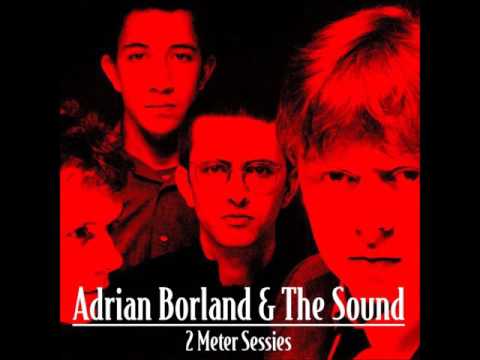
Borland's work with The Sound is particularly significant, given their influence on the post-punk movement. Tracks like "Winning" and "Sense of Purpose" from their 1981 album "From the Lions Mouth" have become anthems for those who value emotional intensity and poetic lyricism. These songs not only showcased Borland's ability to craft haunting melodies but also his capacity to convey complex emotions through music.
The Sound's early work, characterized by their use of distorted guitars and driving rhythms, was a direct response to the emerging post-punk scene in the late 1970s. Tracks like "Winning" and "Sense of Purpose" demonstrate Borland's willingness to experiment with new sounds and push the boundaries of what was considered acceptable at the time.
In addition to his work with The Sound, Borland also released several solo albums, including "Beautiful Ammunition" (1994) and "Cinematic" (1995). These recordings showcased his ability to create introspective, emotionally charged music that was both deeply personal and universally relatable. Tracks like "The Last Time" from "Beautiful Ammunition" feature Borland's signature soaring vocals and poignant lyrics, while "Cinematic"'s title track exemplifies his growing interest in more atmospheric and experimental soundscapes.
Borland's legacy extends beyond his music, however. His struggles with mental health and addiction serve as a powerful reminder of the importance of prioritizing one's well-being. The circumstances surrounding his death on April 26, 1999, have been widely reported and continue to be a source of sadness for fans around the world.
Despite his untimely passing, Borland's music continues to inspire new generations of artists and fans alike. His influence can be heard in a wide range of genres, from post-punk revival bands like Interpol and The National to more experimental acts like Sigur Rós and Radiohead. Borland's innovative approach to songwriting and his willingness to take risks have left an indelible mark on the music world.
In examining Adrian Borland's remarkable career, it becomes clear that he was a true original – a visionary artist who consistently pushed the boundaries of what was possible in music. Through his work with The Sound and as a solo artist, he created a body of work that is both deeply personal and universally relatable. As we continue to explore and appreciate Borland's legacy, it is essential to acknowledge the significance of his contributions to post-punk and beyond.
For those interested in exploring Borland's music further, DeepCutsArchive offers an extensive collection of rare and previously unreleased footage from throughout his career. Clips such as "The Sound – Winning" (1981) and "Adrian Borland – The Last Time" (1994) provide a unique glimpse into the creative process and offer a testament to Borland's enduring influence on the music world.
As we delve deeper into Borland's remarkable story, it becomes increasingly clear that his impact extends far beyond his own music. He was a true pioneer, one who helped shape the sound of an era and inspired countless others to follow in his footsteps. Through his work with The Sound and as a solo artist, Adrian Borland left behind a legacy that continues to captivate audiences today.
In examining Borland's career, it is also worth noting the significance of his later work, particularly "The Last Days of the Rain Machine" (2000) and "Harmony & Destruction (The Unfinished Journey)" (2002). These albums demonstrate Borland's continued willingness to experiment and push the boundaries of sound, even in the face of personal adversity.
Borland's influence can also be seen in his collaborations with other artists. Tracks like "Lovefield: Neon and Stone" (2021) showcase his ability to work effectively within a variety of musical contexts and demonstrate his capacity for growth and evolution as an artist.
In conclusion, Adrian Borland's legacy is a testament to the transformative power of music. Through his work with The Sound and as a solo artist, he created a body of work that continues to inspire new generations of artists and fans alike. His influence can be heard in a wide range of genres, from post-punk revival bands like Interpol and The National to more experimental acts like Sigur Rós and Radiohead.
The significance of Borland's contributions to music history cannot be overstated. As we continue to explore and appreciate his legacy, it is essential to acknowledge the impact he had on the post-punk movement and beyond. Through his innovative approach to songwriting and his willingness to take risks, Borland left behind a body of work that continues to captivate audiences today.
As fans and scholars alike delve deeper into Borland's remarkable story, it becomes increasingly clear that his influence extends far beyond his own music. He was a true pioneer, one who helped shape the sound of an era and inspired countless others to follow in his footsteps. Through his work with The Sound and as a solo artist, Adrian Borland left behind a legacy that continues to captivate audiences today.
In examining Borland's career, it is also worth noting the significance of his later work, particularly "The Last Days of the Rain Machine" (2000) and "Harmony & Destruction (The Unfinished Journey)" (2002). These albums demonstrate Borland's continued willingness to experiment and push the boundaries of sound, even in the face of personal adversity.
Borland's influence can also be seen in his collaborations with other artists. Tracks like "Lovefield: Neon and Stone" (2021) showcase his ability to work effectively within a variety of musical contexts and demonstrate his capacity for growth and evolution as an artist.
Ultimately, Adrian Borland's legacy serves as a powerful reminder of the transformative power of music. Through his innovative approach to songwriting and his willingness to take risks, he left behind a body of work that continues to captivate audiences today.
Curated from public records and music databases.