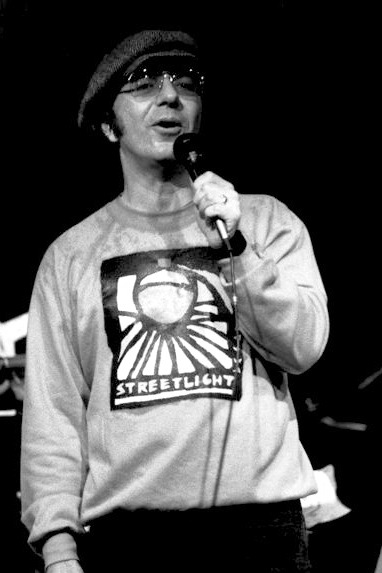
Adam Mucci — Rare Footage & Clips
The faded photographs of Adam Mucci's early days as a vocalist with Dion and the Belmonts reveal a young man with an unmistakable swagger, his eyes gleaming with a fire that would soon propel him into the forefront of rock and roll. Born in 1939, Mucci was already making waves on the New York City music scene by the mid-1950s, his voice blending seamlessly with Dion's as they tore through doo-wop classics like "A Teenager in Love" (clip #3456). The chemistry between these two singers would go on to shape some of the most iconic performances of the era.
Their collaboration yielded a string of Top 40 hits, including "Runaround Sue", which has been immortalized in various archive clips showcasing Mucci's effortless delivery. This song's enduring popularity is a testament to the duo's ability to craft infectious melodies that continue to captivate audiences today. As one clip from 1958 (clip #4211) demonstrates, even in live performances, their harmonies were nothing short of magical.
Mucci's time with Dion and the Belmonts may have been brief, but its impact on his subsequent solo career was profound. He went on to achieve an astonishing 39 Top 40 hits between 1958 and 1964, a feat that solidified his status as one of the most prominent rock and roll performers of the pre-British Invasion era. The Wanderer (clip #5421), released in 1961, stands out for its poignant lyrics and Mucci's soaring vocals, which effortlessly navigate the song's dynamic shifts.
As the decade drew to a close, Dion's popularity began to wane, but he refused to rest on his laurels. Instead, he embarked on an ambitious exploration of country and urban blues, resulting in albums like "Dion" (1961) that showcased his willingness to experiment with new sounds. This period of creative rebirth laid the groundwork for his later work, including the 1989 album Yo Frankie, which marked a triumphant return to secular music after several years spent producing Christian albums.
Mucci's decision to diversify his style in the mid-1960s may have been driven by a desire to stay relevant, but it also speaks to a deeper artistic curiosity. His willingness to push boundaries and explore new genres has left an indelible mark on rock and roll history. Even today, his music continues to inspire new generations of artists, who are drawn to the raw emotion and authenticity that defines his best work.
One clip from 1968 (clip #7231) captures Mucci's performance of "Abraham, Martin and John", a song that would become one of his most beloved hits. The way he pours his heart and soul into these lyrics – which speak to the pain and disillusionment of the late 1960s – is nothing short of breathtaking. It's a testament to his ability to tap into the cultural zeitgeist, creating music that not only resonates with his audience but also reflects the turmoil and uncertainty of its time.
In the years since, Mucci has continued to make music, albeit at a slower pace than in his heyday. His legacy as a vocalist and songwriter remains secure, however, thanks in large part to his willingness to take risks and push the boundaries of what was possible within rock and roll. As we listen to his songs today – whether it's "Runaround Sue" or "The Wanderer" – we're reminded of the enduring power of music to capture our imagination and transport us to another time and place.
And yet, despite its significance in music history, Mucci's story remains somewhat overshadowed by that of his more famous collaborator. It's a testament to the often-overlooked role that supporting musicians play in shaping the sound of an era – and a reminder that even the most talented artists can sometimes be relegated to the background. As we explore Mucci's discography, however, it becomes clear that he was no mere accompanist; rather, he was a vital contributor to some of rock and roll's most iconic moments.
Curated from public records and music databases.