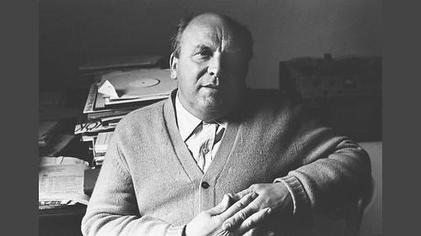
A. L. Lloyd — Rare Footage & Clips
In a cramped London pub in 1955, A.L. Lloyd stood before a small audience, his voice booming as he sang "The Singing Sailor". The clip from our archive captures the raw energy of that performance, Lloyd's voice soaring above the murmur of the crowd. It was just one moment in a lifetime dedicated to unearthing and sharing the hidden treasures of folk music.
Lloyd's significance lies not only in his own performances but also in his tireless work as a collector, compiler, and theorist. He was a key figure in the British folk revival of the 1950s and 1960s, yet his interests extended far beyond the UK. His fascination with the music of Spain, Latin America, Southeastern Europe, and Australia led him to record at least six discs of Australian Bush ballads and folk music.
The album "Australian Bush Songs" (1956) is a testament to Lloyd's dedication to exploring the lesser-known corners of folk music. The songs he collected and recorded are not just quaint relics but living, breathing expressions of a culture that continues to inspire new generations of musicians. Tracks like "The Black Swan" and "The Banks of the Condamine" showcase the beauty and complexity of Australian folk music.
Lloyd's work also laid the groundwork for the subgenre of industrial folk music. Through his books, recordings, collecting, and theoretical writings, he helped shape a new understanding of folk music as an integral part of working-class culture. His concept of "industrial folk" – which encompassed songs related to mining, railways, and other industries – expanded the definition of folk music beyond its traditional boundaries.
The album "English Street Songs" (1956) is a prime example of Lloyd's work in this area. The collection features songs that reflect the daily lives of working-class people, from market traders to dockworkers. Tracks like "The Raggle Taggle Gypsy" and "The Weaver's Life" offer a glimpse into a world where music was an integral part of everyday existence.
Lloyd's influence extends beyond his own work as well. His recordings and writings inspired a new generation of musicians, including the likes of Ewan MacColl and Peggy Seeger. The impact of his work can be seen in the many artists who followed in his footsteps, exploring the rich cultural heritage of folk music.
The significance of Lloyd's contributions to music history cannot be overstated. He was a true pioneer, unafraid to venture into uncharted territory in search of new sounds and ideas. His legacy continues to inspire musicians today, reminding us that the best folk music is often found at the intersection of tradition and innovation.
As we delve deeper into Lloyd's discography, it becomes clear that his work was not limited to any one genre or style. From the sea shanties of "The Singing Sailor" to the industrial ballads of "The Blackball Line", his recordings showcase a remarkable range and depth. The clip from our archive featuring Lloyd singing "Blow Boys Blow" (1957) captures the essence of this eclecticism, as he effortlessly moves between different styles and tempos.
Lloyd's impact on British folk music was immense, but it is also worth noting that his work had a broader significance in the context of global folk traditions. His recordings of Australian Bush songs, for example, helped introduce these unique sounds to a wider audience. This exchange of ideas and influences between different cultures is a testament to Lloyd's boundless curiosity and enthusiasm.
The album "Thar She Blows! Whaling Ballads and Songs" (1957) is another highlight of Lloyd's work, featuring songs that reflect the harsh realities of life at sea. Tracks like "The Whaleman's Lament" and "The Greenland Whaleman" offer a glimpse into a world where music was both a source of comfort and a reflection of the brutal conditions faced by sailors.
In conclusion, A.L. Lloyd's legacy is one of tireless dedication to folk music, its history, and its future. His work as a collector, compiler, and theorist has left an indelible mark on the genre, inspiring generations of musicians to explore new sounds and ideas. The clips from our archive offer just a glimpse into his remarkable career, but they are enough to remind us of the enduring power of Lloyd's music.
Curated from public records and music databases.