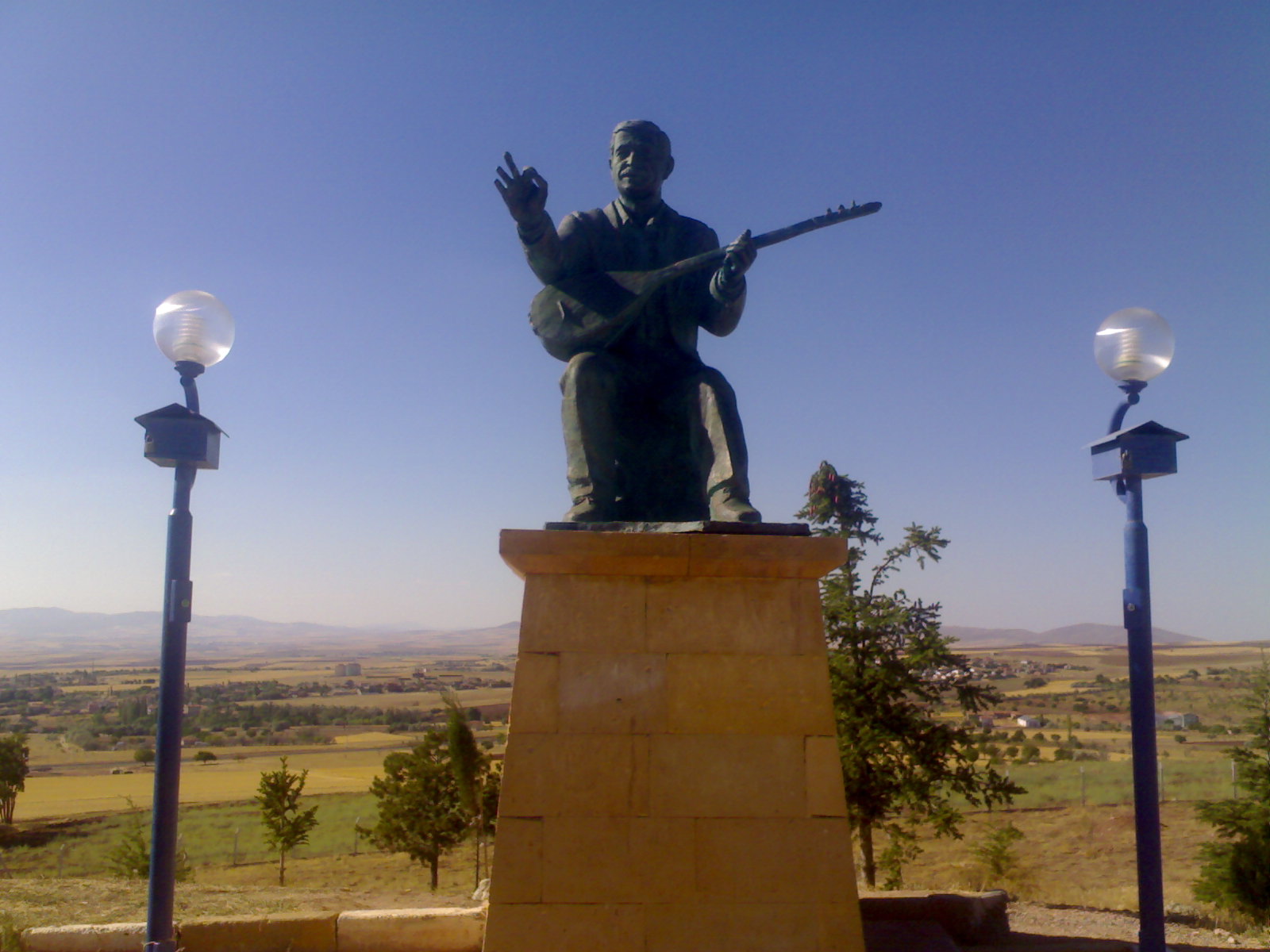
Aşık Mahzuni Şerif — Rare Footage & Clips
In a cramped Istanbul café in the early 1960s, Aşık Mahzuni Şerif's fingers danced across the strings of his bağlama, weaving a sonic tapestry that would captivate audiences for decades to come. The young musician's voice, like honeyed smoke on a summer breeze, transported listeners to the mystical realms of Alevism, where the boundaries between faith and art blurred.
Born in 1940, Şerif Cırık was destined for greatness. As a member of Turkey's Alevi community, he was steeped in the rich cultural heritage of his people. The ashik tradition, with its emphasis on storytelling through music, was an integral part of Alevi identity. Şerif's own journey as an artist was deeply rooted in this legacy.
The 1960s were a transformative period for Turkish music. Folk traditions were being rediscovered and reinterpreted by younger artists, who sought to infuse their work with modern sensibilities. Şerif was at the forefront of this movement, releasing his debut album Fadime in 1972. The record's blend of traditional instrumentation and poetic lyrics resonated with listeners, establishing Şerif as a major force in Turkish music.
Throughout the 1970s and 1980s, Şerif continued to push the boundaries of ashik music. His compositions, often infused with elements of jazz and rock, were met with critical acclaim and commercial success. Albums like Maraş Dramı (1980) and Sarhoş (1985) showcased his ability to craft memorable melodies and poignant lyrics.
One of Şerif's most enduring legacies is his commitment to social justice. His music often addressed the struggles faced by Turkey's marginalized communities, including the Alevi minority. In a 1997 interview with Turkish music journalist Ömer Erdinç, Şerif reflected on the role of art in shaping public discourse: "Music has the power to awaken people, to make them think critically about their circumstances."
The 1990s saw Şerif's popularity soar, as he released a string of critically acclaimed albums. Acı Günlerim (Ararlar Beni) (1997), İşte Gidiyorum Çeşmi Siyahım (1998), and Berçenekten Yaya Geldim (1998) cemented his status as one of Turkey's most beloved musicians.
In the final years of his life, Şerif continued to innovate and experiment. His 2001 album Fırıldak Adam featured a more subdued, introspective tone, while Erim Erim Eriyesin (Nenni Bebek) (2002), released just months before his passing, showcased his enduring commitment to social commentary.
The posthumous release of Sınıfsız Okul - Katil Amerika in 2013 served as a poignant reminder of Şerif's continued relevance. The album's haunting melodies and lyrics, written by Şerif in the early 1990s, spoke to the ongoing struggles faced by Turkey's working class.
Aşık Mahzuni Şerif's impact on Turkish music history cannot be overstated. His fusion of traditional ashik styles with modern influences helped shape a new generation of musicians. As Ömer Erdinç noted in his tribute to Şerif following his passing: "He was a master of the bağlama, but more importantly, he was a poet, a storyteller, and a chronicler of his people's struggles."
As one listens to clips from the archive – the lilting rhythms of Maraş Dramı (1980), the haunting melodies of Sarhoş (1985) – it becomes clear that Şerif's legacy extends far beyond Turkey's borders. His music, with its emphasis on social justice and poetic lyricism, has resonated with audiences worldwide.
In a 2001 interview with Turkish journalist Hasan Kaçmaz, Şerif reflected on his own artistic journey: "I've always sought to create music that is both beautiful and meaningful. I believe that art should be a reflection of our times, a mirror held up to the world around us." As we reflect on the life and work of Aşık Mahzuni Şerif, it becomes clear that his commitment to these ideals has left an indelible mark on Turkish music history.
The image of Şerif's fingers moving deftly across the strings of his bağlama remains etched in the minds of those who knew him. It is a testament to the enduring power of his art, an art that continues to captivate audiences and inspire new generations of musicians.
Curated from public records and music databases.