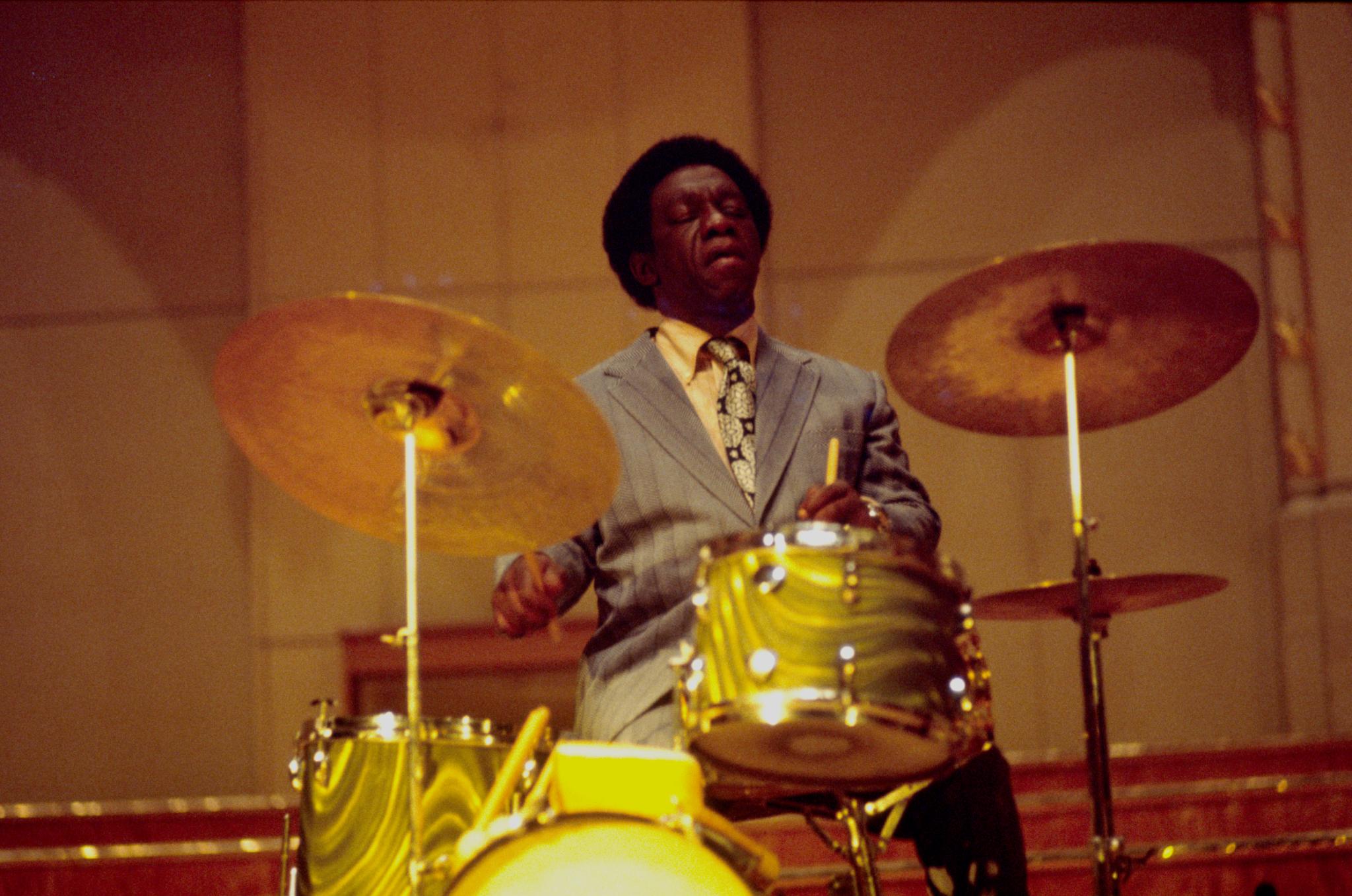
1970s in jazz — Rare Footage & Clips
The 1970s in jazz - a decade of seismic shifts, creative fusions, and boundary-pushing innovation. As we delve into the archives of DeepCutsArchive, we find ourselves immersed in a world where traditional jazz harmonies meet the rhythmic fire of Latin America, and the electric energy of rock 'n' roll. This was an era that saw the birth of new sounds, new styles, and new possibilities.
One of the most significant developments of this period was the influence of Latin jazz on the genre. Artists such as Chick Corea, John McLaughlin, and Al Di Meola began to incorporate rhythms from Africa and Latin America into their music, often using instruments like conga, timbale, güiro, and claves alongside traditional jazz instruments like piano and double bass. This fusion of styles not only enriched the sound of jazz but also paved the way for future generations of musicians to explore new sonic territories.
The rise of jazz fusion, a hybrid form of jazz-rock that combined improvisation with rock rhythms and electric instruments, was another hallmark of this era. Artists like Chick Corea's Return to Forever and Mahavishnu Orchestra pushed the boundaries of what was possible in jazz, drawing on the highly amplified stage sound of rock musicians like Jimi Hendrix. This fusion of styles not only created new sounds but also helped to bridge the gap between two previously separate worlds: jazz and rock.
As we explore the archives of DeepCutsArchive, we find a treasure trove of rare footage that captures the essence of this pivotal moment in music history. One clip, from 1972, shows Chick Corea's Return to Forever performing at a venue in New York City. The band is in full flight, with Corea's piano and McLaughlin's guitar trading virtuosic solos over a driving rhythm section. It's a testament to the energy and creativity of this era, where musicians were pushing the limits of what was possible in jazz.
The influence of rock on jazz during this period cannot be overstated. As All Music Guide notes, until around 1967, the worlds of jazz and rock were nearly completely separate. However, as rock became more creative and its musicianship improved, and as some in the jazz world became bored with hard bop and did not want to play strictly avant-garde music, the two different idioms began to trade ideas and occasionally combine forces.
One notable example of this fusion is the work of John McLaughlin. A guitarist and composer who had previously played with Miles Davis and Tony Williams, McLaughlin went on to form the Mahavishnu Orchestra in 1971. This band was a supergroup of sorts, featuring some of the most talented musicians of the era, including violinist Jan Hammer and drummer Billy Cobham. Their music was characterized by its virtuosic playing, complex time signatures, and Eastern-inspired melodies.
The significance of this era cannot be overstated. The 1970s in jazz marked a turning point in the genre's history, as it began to incorporate new influences and styles from around the world. This fusion of sounds helped to create a more diverse and vibrant musical landscape, one that continues to inspire musicians today.
As we continue to explore the archives of DeepCutsArchive, we find ourselves immersed in a world of creative experimentation and innovation. We see artists like Chick Corea, John McLaughlin, and Al Di Meola pushing the boundaries of what was possible in jazz, incorporating new rhythms and styles into their music. We witness the birth of new sounds, new styles, and new possibilities.
But the significance of this era extends beyond the music itself. The 1970s in jazz also marked a shift in the way musicians approached their craft. With the rise of rock and its emphasis on electric instruments and amplified sound, jazz musicians began to experiment with new textures and timbres. This led to a more dynamic and expressive sound, one that continues to influence music today.
In June 1972, the New York Jazz Museum opened in Manhattan, providing a physical space for jazz enthusiasts to come together and celebrate the genre. Located at 125 West 55th Street in a one-and-a-half-story building, the museum served as a hub for jazz activity, hosting concerts, exhibitions, and educational programs.
As we reflect on this era, we are reminded of the power of music to bring people together and transcend boundaries. The 1970s in jazz was a time of great creativity and innovation, marked by a willingness to experiment and push the limits of what was possible. It's a legacy that continues to inspire musicians today, and one that is beautifully captured in the rare footage preserved in DeepCutsArchive.
As we delve deeper into the archives, we find ourselves surrounded by the sights and sounds of this pivotal moment in music history. We see artists like Chick Corea, John McLaughlin, and Al Di Meola creating new sounds, new styles, and new possibilities. We witness the birth of jazz fusion, a genre that would go on to influence music for generations to come.
In conclusion, the 1970s in jazz was a decade of seismic shifts, creative fusions, and boundary-pushing innovation. It's an era that continues to inspire musicians today, and one that is beautifully captured in the rare footage preserved in DeepCutsArchive.
Curated from public records and music databases.