 3:12
3:12"If PUFF Wants to Get SHIESTY"..." Biggie's CHILLING 1995 Warning About DIDDY!
L.A.B., Notorious BIG, Sine, Ween, NME, Y&T
1990sRare
Rare hip-hop footage from the 1990s — interviews, studio sessions, and behind-the-scenes clips. Browse 15 clips below.
The 1990s was a transformative decade for hip-hop, marked by its increasing influence on mainstream culture and its own internal evolution. As the genre continued to synthesize various techniques from its social environment, it simultaneously commented on and reflected the changing urban landscape of America.
In the early 1970s, hip-hop emerged in New York City's African-American and Caribbean immigrant communities, characterized by rapping, DJing, turntablism, scratching, beatboxing, and instrumental tracks. By the 1990s, this musical style had spread beyond its origins, incorporating new sounds and styles while maintaining its core elements. The decade saw a proliferation of sub-genres, including gangsta rap, which would come to define the era's sonic landscape.
Artists like Tupac Shakur-shakur) and The Notorious B.I.G. became icons of the genre, their lyrics reflecting the harsh realities of urban life in America. Meanwhile, the rise of West Coast hip-hop brought a new level of sophistication and lyrical complexity to the scene. The decade also saw the emergence of alternative hip-hop, with artists like De La Soul and A Tribe Called Quest pushing the boundaries of what was possible within the genre.
The 1990s were also marked by significant cultural shifts, as the internet and digital video began to change the way people consumed music and media. Behind-the-scenes footage from this era is more plentiful than ever before, thanks in part to home camcorder recordings, MTV specials, and early online video. This archive's collection of four clips offers a glimpse into the decade's most pivotal moments, capturing artists like Tupac, The Notorious B.I.G., and other influential figures.
The 1990s hip-hop scene was marked by its diversity and eclecticism, reflecting the genre's ability to absorb and comment on its surroundings. From the gritty realism of gangsta rap to the experimentalism of alternative hip-hop, this decade saw a proliferation of styles that would come to define the genre for years to come.
The archive's collection of clips offers a unique perspective on this pivotal era in hip-hop history. With footage from key artists and events, it provides a window into the decade's most significant moments, capturing the energy and creativity of a transformative time for music and culture.
As we delve into the 1990s hip-hop page, we'll explore the decade's most influential figures, sub-genres, and cultural shifts. We'll examine how artists like Tupac and The Notorious B.I.G. reflected the harsh realities of urban life in America, while also pushing the boundaries of what was possible within the genre.
We'll also look at the role of alternative hip-hop, which brought a new level of sophistication and lyrical complexity to the scene. And we'll explore how the rise of West Coast hip-hop changed the sonic landscape of the decade, paving the way for future generations of artists.
Through these four clips, we'll gain a deeper understanding of what made the 1990s hip-hop scene so unique and influential. We'll see how the genre's ability to absorb and comment on its surroundings helped shape the decade's musical landscape, leaving an indelible mark on popular culture.
Curated from public records and music databases.
The 1990s saw grunge, Britpop, gangsta rap, electronic music, and the alternative rock explosion reshape the musical landscape. Nirvana, Radiohead, Tupac, Oasis, and Björk were among the defining artists. The decade also marked the early days of the internet and digital video — meaning behind-the-scenes footage from this era is more plentiful but also more scattered. Home camcorder recordings, MTV specials, and early online video captured artists in ways that hadn’t been possible before.
Hip-hop (also known as rap music or simply rap) is a genre of popular music that emerged in the early 1970s alongside an associated subculture in the African-American and Caribbean immigrants communities of New York City. The musical style is characterized by the synthesis of a wide range of techniques, but rapping is frequent enough that it has become a defining characteristic. Other key markers of the genre are the disc jockey (DJ), turntablism, scratching, beatboxing, and instrumental tracks....
All Hip-Hopfootage →3:12L.A.B., Notorious BIG, Sine, Ween, NME, Y&T
 0:17
0:17R.E.M., Head, Morgan Wallen, NWA, Y&T, Sting
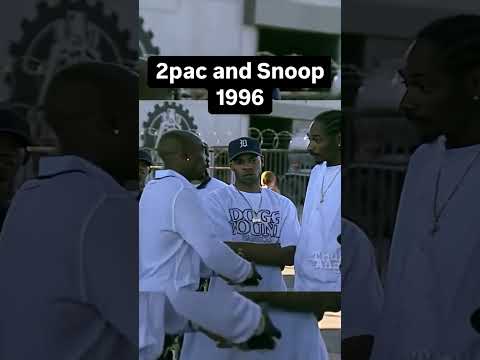
Tupac
![Thumbnail for Nine Inch Nails "Angels of Destruction" // The Downward Spiral Era [25 sources multicam edit] by Nine Inch Nails, R.E.M., Head, NWA, Ween, Y&T](https://img.youtube.com/vi/gPIYtpqwyu4/hqdefault.jpg) 2:17:54
2:17:54Nine Inch Nails, R.E.M., Head, NWA, Ween, Y&T
 31:03
31:03Jesse Pintado, R.E.M., NWA, Shane Embury, Mick Harris, Mitch Harris, Napalm Death, Y&T
 4:17
4:17Faith Evans, R.E.M., Notorious BIG, NME, Y&T
 14:41
14:41Head, michael ack, NWA, Michael Jackson
 2:38
2:38Wu-Tang Clan
 0:23
0:23Tupac
 39:23
39:23Rob Wasserman, Willie Dixon, Paul Simon, Judy Mowatt, Rufus Thomas, Little Milton, NWA, Red Hot Chili Peppers, Mavis Staples, Chuck Jackson, Mark Knopfler, Ruth Brown, Patti Austin, Ray Manzarek, Stevie Ray Vaughan, Lou Reed, Steve Swallow, Pat Metheny, John Cale, Robert Cray, Miles Davis, Sting
 4:05
4:05NWA, Thelonious Monk, John Patitucci
 1:12Advisory
Ol’ Dirty Bastard, R.E.M., RZA, Prince, Raekwon, Wu-Tang Clan
 8:20
8:20Wu-Tang Clan
 2:33
2:33Tupac
![Thumbnail for 2pac & Snoop Dogg: Epic Behind-The-Scenes Shoot! [Full Video] by Tupac](https://img.youtube.com/vi/3n-BmblROzc/hqdefault.jpg) 20:00
20:00Tupac