 2:51
2:51ECHO 2016: Enya
Depeche Mode, Lady Gaga, Enya, Madonna, The pink floyd, Linkin Park, Pink Floyd, Coldplay, Robbie Williams, Cher
2010sSoloTV Appearance
Rare electronic footage from the 2010s — interviews, studio sessions, and behind-the-scenes clips. Browse 5 clips below.
The 2010s Electronic music scene was a decade of transformation, marked by the rise of digital production tools and the proliferation of electronic music sub-genres. As streaming services became the primary means of music consumption, electronic artists found new ways to create, distribute, and connect with their audiences.
One of the defining characteristics of electronic music in the 2010s was its increasing reliance on software-based production tools. The widespread adoption of digital audio workstations (DAWs) such as Ableton Live, FL Studio, and Logic Pro enabled producers to create complex, layered soundscapes with unprecedented ease. This shift towards software-based production democratized the creation of electronic music, allowing artists from all over the world to produce high-quality tracks without the need for expensive hardware.
The 2010s also saw a proliferation of electronic sub-genres, each with its own distinct sonic characteristics and cultural connotations. From the dark, brooding sounds of dubstep and trap to the euphoric, dancefloor-friendly vibes of EDM and tropical house, electronic music in the 2010s was characterized by its diversity and eclecticism.
Despite the rise of digital production tools and streaming services, live performances remained an essential part of the electronic music experience. Artists such as Skrillex, Calvin Harris, and deadmau5 became household names, their high-energy live shows drawing massive crowds and critical acclaim. The 2010s also saw the emergence of new formats for live performance, including festivals like Tomorrowland and Ultra Music Festival, which brought together thousands of fans from around the world to experience the latest electronic music trends.
However, as the decade drew to a close, it became clear that the rise of streaming services had also created new challenges for electronic artists. With the proliferation of playlists and algorithm-driven recommendations, many artists found themselves struggling to get their music heard above the noise. The clips in this archive capture some of the behind-the-scenes moments that didn't make the highlight reels – a glimpse into the lives of electronic artists as they navigated the changing musical landscape.
The 2010s Electronic page is a testament to the decade's innovative spirit and creative experimentation. With four exclusive clips, this archive offers a unique perspective on the era's most influential artists and trends. From the producers who pushed the boundaries of sound design to the DJs who brought electronic music to the masses, these clips provide an intimate look at the people and processes that shaped the decade's sonic landscape.
One of the key themes running through these clips is the tension between creative freedom and commercial viability. Electronic artists in the 2010s faced intense pressure to produce hits that would appeal to a broad audience – but many also sought to maintain their artistic integrity and push the boundaries of what was possible with electronic music. The clips in this archive capture some of the compromises and conflicts that arose from this tension, offering a nuanced portrait of the decade's most influential artists.
The 2010s Electronic page is not just a nostalgic look back at the decade's biggest hits – it's also a testament to the enduring power of electronic music as a creative force. As we move forward into a new era of technological innovation and artistic experimentation, these clips offer a timely reminder of the decade's most important lessons: that creativity knows no bounds, and that the future is always brighter when we're willing to take risks.
The archive also highlights the impact of social media on electronic music in the 2010s. With platforms like Instagram, Facebook, and Twitter providing a direct line to fans, artists were able to build their own communities and connect with listeners in ways that would have been impossible just a decade earlier. However, this increased visibility also brought new challenges – from managing online personas to dealing with the pressures of constant content creation.
The clips in this archive capture some of the behind-the-scenes moments that didn't make it onto social media feeds or highlight reels. They offer a glimpse into the lives of electronic artists as they navigated the changing musical landscape, and provide an intimate look at the people and processes that shaped the decade's sonic landscape.
Curated from public records and music databases.
The 2010s saw streaming become the dominant way people consumed music, while social media transformed how artists connected with fans. Kendrick Lamar, Adele, Frank Ocean, Taylor Swift, and Tame Impala were among the decade’s most important artists. The proliferation of smartphones meant that nearly every moment could be filmed — but ironically, much of this footage is buried in social media feeds and stories that disappear within hours. The clips in this archive capture the behind-the-scenes moments that didn’t make the highlight reels.
Electronic music broadly is a group of music genres that employ electronic musical instruments, circuitry-based music technology and software, or general-purpose electronics (such as personal computers) in its creation. It includes both music made using electronic and electromechanical means (electroacoustic music). Pure electronic instruments depend entirely on circuitry-based sound generation, for instance using devices such as an electronic oscillator, theremin, or synthesizer: no acoustic wa...
All Electronicfootage →2:51Depeche Mode, Lady Gaga, Enya, Madonna, The pink floyd, Linkin Park, Pink Floyd, Coldplay, Robbie Williams, Cher
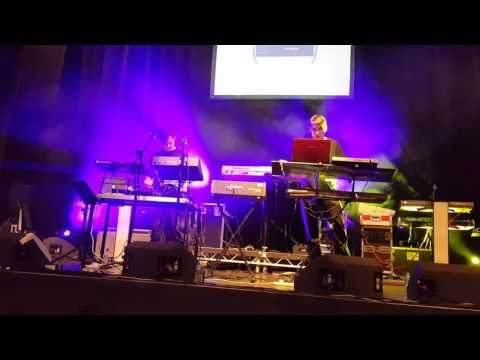 1:41
1:41Kraftwerk
 3:54
3:54Depeche Mode

Depeche Mode
![Thumbnail for [Sub ITA] Depeche Mode | TimesTalks by Depeche Mode](https://img.youtube.com/vi/x6xqYa99F3c/hqdefault.jpg)
Depeche Mode