About This Footage
The grainy, analog footage of Dennis Coffey's "Scorpio" performance is a rare gem from the early 1970s, and its significance lies not only in its age but also in its representation of the artist's unique style. In 1972, when this clip was filmed, Coffey was already an established session musician, having worked with some of the biggest names in soul and R&B.
Coffey's "Scorpio" single had reached the Top 10 just a year prior, cementing his status as a talented guitarist in demand. This performance, however, is more than just a showcase of Coffey's technical prowess – it's a window into the Detroit funk scene that was thriving at the time. The clip's raw, unpolished quality only adds to its charm, giving viewers a sense of what live performances were like during this era.
One of the most striking aspects of this footage is its authenticity. Unlike many modern music videos or live recordings, which are often heavily produced and polished, "Scorpio" is a genuine representation of Coffey's artistry in its rawest form. The clip's brevity, too, adds to its allure – at just over four minutes long, it's a concise and intense performance that doesn't waste time on elaborate stage sets or flashy production values.
Coffey himself was no stranger to the studio, having worked with artists like Stevie Wonder, Marvin Gaye, and The Temptations. His experience in these high-pressure environments likely influenced his approach to live performances, which were often more subdued and less showy than those of his contemporaries. This clip's understated nature only adds to its appeal, offering viewers a glimpse into the artistic sensibilities of one of soul music's most underrated figures.
In an era where live recordings are ubiquitous and easily accessible, it's refreshing to come across footage like this – rough around the edges but full of character. Coffey's "Scorpio" performance is a time capsule from a bygone era, one that reminds us of the beauty in simplicity and the importance of preserving our musical heritage.
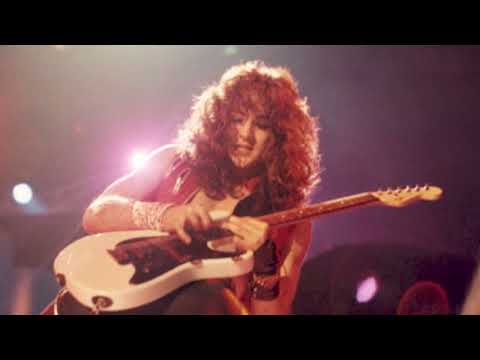
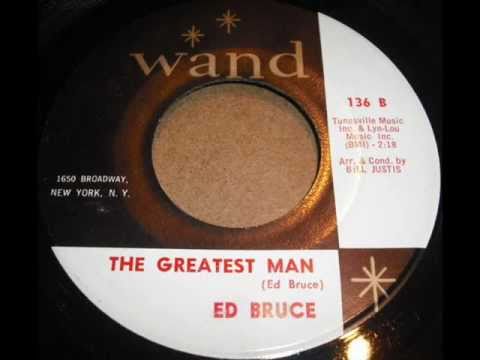
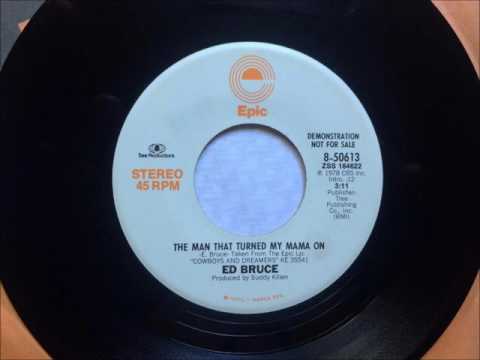
As we watch Coffey's fingers dance across the fretboard, it's clear that this is more than just a rare clip – it's an artifact of a specific moment in music history. The clip's context, too, is fascinating: filmed on 45 RPM vinyl, with a label from Sussex Records, it's a tangible connection to the era's musical landscape.
The viewer will take away from watching this clip not only a sense of Coffey's technical skill but also an appreciation for the Detroit funk scene that spawned him. It's a reminder that even in the most obscure corners of music history, there lies beauty and significance waiting to be discovered – if we're willing to dig deep enough.
As the final notes of "Scorpio" fade away, it's clear that this clip is more than just a relic from the past – it's a testament to the enduring power of music to transport us to another time and place.
Curated from public records and music databases.