About This Footage
In the sweltering summer of 1966, a young David Van Cortlandt Crosby was making waves in Nashville as part of the Nick Swan Band. This footage, titled "Nick Swan Band - Live at the High Watt", is a rare gem that captures the raw energy and talent of this emerging artist.
At the time, Crosby's musical trajectory was just beginning to take shape. Having recently left the Byrds, he had formed the Nick Swan Band with like-minded musicians, including Doug Mug Swanson on bass. The band's sound was a fusion of folk rock and psychedelia, precursors to the California sound that would soon sweep the nation.
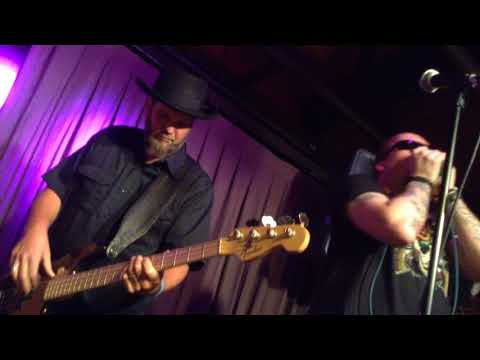
This particular performance at the High Watt in Nashville is notable for its raw, unpolished quality. The footage is a highlight reel of their setlist, featuring songs from their debut album "Plunge", including "Nothin", "Something More", and "Painkiller". What's striking about this performance is the way it captures the band's ability to blend folk sensibilities with psychedelic experimentation.
The High Watt was a hub for Nashville's music scene in the 1960s, hosting some of the city's most innovative acts. It's here that Crosby and the Nick Swan Band would have rubbed shoulders with other local musicians, including Bob Dylan and Kris Kristofferson. This footage offers a glimpse into the vibrant musical landscape of Nashville during this pivotal moment.
What makes this clip significant is its rarity. Most of Crosby's early work was recorded in studios or captured on low-quality bootlegs. This footage, shot at a live performance, provides an intimate look at his artistry before he achieved mainstream success with CSN&Y. Watching it, one can't help but feel the excitement and anticipation that defined this era.
The setlist itself is also telling of Crosby's artistic trajectory. Songs like "Nothin" and "Something More" showcase his ability to craft catchy, folk-infused melodies, while "Painkiller" hints at the psychedelic explorations he would soon undertake with CSN&Y. This performance is a testament to Crosby's innovative spirit and willingness to push boundaries.
As one watches this footage, it becomes clear that Crosby was already honing his unique voice within the Nick Swan Band. His guitar work is distinctive, blending folk fingerpicking with psychedelic textures. The interplay between him and bassist Doug Mug Swanson is particularly noteworthy, creating a dynamic tension that propels the music forward.
In short, this footage of the Nick Swan Band at the High Watt in Nashville is a treasure trove for fans of David Crosby's early work. It offers a glimpse into his formative years as an artist, showcasing his talent and innovative spirit before he achieved widespread success with CSN&Y. Watching it, one can't help but feel a sense of excitement and anticipation, knowing that this was just the beginning of Crosby's remarkable journey.
Curated from public records and music databases.