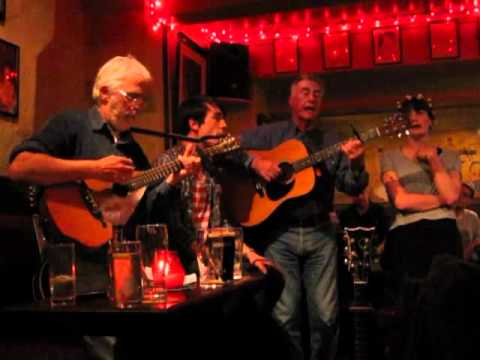
About This Footage
The unvarnished voice of Johnny Moynihan, captured in all its raw, unedited glory on the dusty reels of Radio G's archives. This 1970s interview is a rare gem, a fleeting glimpse into the life and times of one of Ireland's most influential folk musicians.
At the time of this recording, Moynihan was already an established figure in Dublin's music scene, having introduced the bouzouki to Irish traditional music with his band Planxty. Formed in 1972, Planxty was a key player in the revival of Irish folk music, blending ancient melodies with modern sensibilities and pushing the boundaries of what was possible within the genre.
This interview, though unedited and rough around the edges, offers a unique insight into Moynihan's thoughts on his craft. The bouzouki, that distinctive Greek instrument, had become an integral part of Planxty's sound, but it was not without its detractors. Some saw it as a gimmick, a novelty imported from the Mediterranean, while others hailed it as a game-changer, opening up new possibilities for Irish musicians.
Moynihan's voice, though weathered by years of touring and recording, still carries a distinctive Dublin brogue. His words are laced with humor and wit, as he regales his interviewer with stories of life on the road and in the studio. It's clear that this is a man who has dedicated himself to his craft, pouring over traditional tunes and pushing the boundaries of what was possible.
What makes this clip so significant is its unvarnished honesty. Unlike many interviews from the time, which were carefully scripted and rehearsed, this one is raw and unedited. Moynihan's words are not filtered through a producer or a PR machine; they are direct, unadorned, and utterly authentic.
Watching this interview, you'll be struck by Moynihan's passion for his music, as well as his willingness to take risks and challenge the status quo. He speaks of the bouzouki with reverence, but also with a sense of mischief, as if he knows that he's pushing the boundaries of what is considered acceptable in traditional Irish music.
The footage itself is rough around the edges, transferred from an old Reel To Reel tape with all its attendant hiss and crackle. But it's this very roughness that adds to its charm, giving the viewer a sense of intimacy and immediacy. You feel as if you're eavesdropping on a private conversation, one that Moynihan never intended for public consumption.
In the end, this interview is not just about Johnny Moynihan or Planxty; it's about the power of music to transcend time and place. It's about the importance of preserving our cultural heritage, even in its most raw and unvarnished form. And it's a testament to the enduring legacy of Irish folk music, which continues to inspire and influence musicians to this day.
As you watch Moynihan's words flow like a river, you'll be struck by the realization that some things never change. The passion, the dedication, the willingness to take risks – these are all qualities that have defined great artists throughout history, from Bob Dylan to Joni Mitchell to Planxty themselves. And it's this sense of continuity, this thread that runs through the ages, that makes this interview so compelling, so essential viewing for anyone interested in music and its power to shape our lives.
Curated from public records and music databases.
![Thumbnail for Elvis Costello • Lip Service • 1977 [Reelin' In The Years Archive] by Elvis Costello](https://img.youtube.com/vi/f3wwWhRpNjk/hqdefault.jpg)