0 views
Share this clip
Know someone who'd love this clip?
Share it with friends and fellow fans.
Share this clip
Know someone who'd love this clip?
Share it with friends and fellow fans.
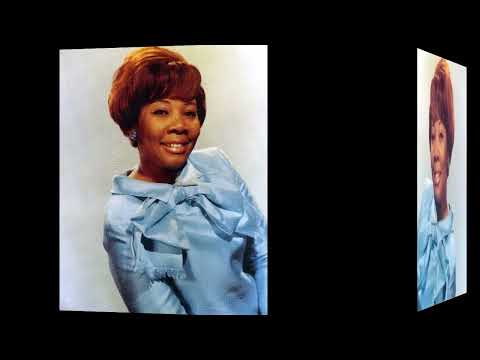
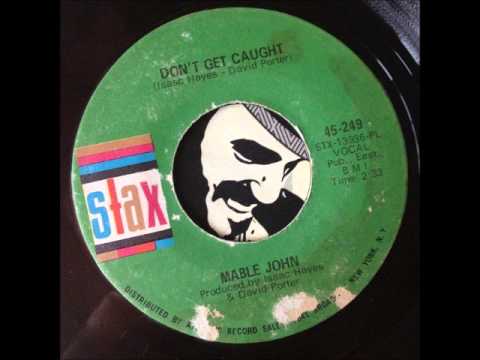
Older sister of R&B star Little Willie John, Mable John was the first solo female artist signed by Berry Gordy. While none of her bluesy singles on Tamla became hits, she played a big part helping get his company established and always shared a mutual loyalty with the Gordy family and her fellow Motowners. FAST FACTS: First Hit: “Your Good Thing (Is About To End)” (for Stax Records) Biggest Hit: “Your Good Thing (Is About To End)” Biggest Album: My Name Is Mable: The Complete Collection (her Motown recordings) Career Highlight: “Your Good Thing (Is About To End)” gave Mable her first, and only major national hit and inspired cover versions by Lou Rawls (a top 20 pop hit) and at least nine other artists, most recently by Robert Cray in 2014. Although born in Louisiana, the oldest of nine children, Mable John’s family moves to Arkansas, then Detroit after her father gets a job at the Dodge auto factory. The family settles in the Dequindre Projects, a housing development built for auto workers nicknamed “Cardboard Valley” because of the thin walls. Her parents are musical and, with four of her siblings, she forms a gospel group, the United Five, who open programs locally for the nation’s leading gospel singers of the ‘50s. Among their neighbors is a young Levi Stubbs Jr., later the Four Tops lead singer, who befriends Mable’s younger brother Willie as the two compete in local talent contests at the Paradise Ballroom, taking turns winning. Teenaged Mable first connects with the Gordy family by taking a part-time clerical job with the Friendship Mutual Insurance Company, founded by Berry’s mother, Bertha Gordy. Mable also becomes active in her church choir. After completing school, Mable works full time for the Gordy insurance agency, and rises to director for five different church choirs in the region. She also travels with her brother Little Willie John as his career explodes with the hit song “Fever.” She decides to follow Willie into show business in the mid-‘50s and is introduced to an auto worker, Berry Gordy, who has ambitions of succeeding in the music business. “He became my vocal coach, my manager and, within a couple of years, my record producer,” she later tells author Susan Whithall. Berry grooms her, has her sing background vocals on his productions and, while accompanying her on piano, develops her stage act. He also has her observe the leading stars of the day at Detroit’s Flame Show Bar. He arranges her professional debut at the Flame Show Bar, opening for Billie Holiday in 1959, not long before Billie’s passing. As Berry’s business plans unfold, Mable regularly accompanies him on trips and industry functions, serving as his driver and becoming a valued confidante. Along with Smokey Robinson, Mable convinces Berry to start his own record company. She and Berry visit radio stations, disc jockey conventions, record executives and distributors as she assists in representing his young enterprise. mble john collectionIn 1960, Berry co-writes and produces her first recordings, releasing “Who Wouldn’t Love A Man Like That” backed with “You Made A Fool Out Of Me” in August. The record gets some airplay and some critical notice, selling modestly but not charting. A second Mable release follows in June ‘61 on which she delivers a convincingly mournful performance on the ballad “No Love,” a tune in the vein of Chuck Willis’ popular and oft-covered 1956 R&B hit “It’s Too Late.” That style is fading from fashion, however, and gets little attention. Berry writes this and the B-side “Looking For A Man,” for which he asked Mabel what kind of man she was looking for. A couple of weeks after its release, Berry and Mable fly to New York to re-record the A-side with a string section, a bigger sound and different opening, but it still falls short of the charts. A third strong single follows in November ’61. Gordy’s composition “Actions Speak Louder Than Words” unfortunately suffers a similar fate as Mable’s first two releases. The B-side, another strong bluesy performance on “Take Me,” also benefitted from background harmonies by the Temptations, who were in the earliest phases of their recording career.
Mable John was an American blues vocalist and the first female artist signed by Berry Gordy to Motown's Tamla label.
More about Mable John→Added