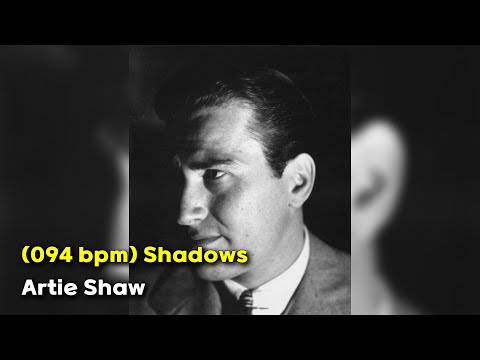
Artie Shaw - In Loving Memory
Artie Shaw's recording of Cole Porter's "Begin the Beguine" was released in 1938 and quickly became a hit. The song was originally introduced in the Broadway musical Jubilee in 1935, but it was Shaw's recording that made it a worldwide sensation. The song's unusual length and complexity made it a challenge for Shaw and his band to perform, but they rose to the occasion. Shaw's clarinet playing is particularly notable on the recording, and his improvisational skills help to keep the song fresh and exciting. The band's song arrangement is also masterful, and it helps showcase its unique sound. "Begin the Beguine" was a major turning point in Shaw's career. The song's success helped make him a household name and led to him being featured in several Hollywood films. Shaw continued to record and perform throughout the 1940s and 1950s, but he never again achieved the same level of success as he did with "Begin the Beguine." The song remains a classic of jazz and popular music and is still frequently covered by other artists. It is a testament to Shaw's musical genius that his recording of "Begin the Beguine" continues to be enjoyed by listeners worldwide. Here are some additional details about the song and its recording: The song is in the beguine rhythm, a Caribbean dance rhythm characterized by its syncopated beat. The song is 108 measures long, which is unusually long for a popular song. Shaw's recording of the song was produced by Mitch Miller, who was also responsible for producing some of the biggest hits of the 1940s, such as "The Andrews Sisters - Boogie Woogie Bugle Boy" and "The Ink Spots - I Don't Want to Set the World on Fire." The recording was made at the RCA Victor Studios in New York City. The band that backed Shaw on the recording included some of the top jazz musicians of the era, such as Benny Goodman, Bud Freeman, and Harry James. The recording was a commercial success, reaching number one on the Billboard charts in the United States. The song has been covered by many other artists, including Frank Sinatra, Ella Fitzgerald, and Louis Armstrong. It is considered a classic of jazz and popular music, and it is still frequently performed and recorded today.
Know someone who'd love this clip?
Share it with friends and fellow fans.