0 views
Share this clip
Lou Barlow Interview on Dinosaur Jr., Sebadoh, Folk Implosion, Music Production, Royalties & More!
Know someone who'd love this clip?
Share it with friends and fellow fans.
Share this clip
Know someone who'd love this clip?
Share it with friends and fellow fans.
Download Your Free Music Production Handbook Now: https://berkonl.in/3JBxeTK Earn Your Music Production Degree Online with Berklee: https://berkonl.in/3DEnKDE Lou Barlow talks to Berklee Online’s Pat Healy about how some “thank you for your services” money from J. Mascis of Dinosaur Jr. made it possible for him to start up Sebadoh in the early 1990s. He also discusses royalty checks (he reckons that “Natural One” by Folk Implosion is his top bread-earner), the advent of home recording technology, and the music production challenges of making a decent-sounding indie rock album in his band’s heyday. Lou also touches upon topics as varied as Björn Borg, Stephen Pearcy from Ratt, and collaborating with his teenage self. ABOUT PAT HEALY Music is Pat Healy’s life. He is Associate Director of Content Creation for Berklee Online. In addition to the “Music Is My Life” podcast, Pat also wrote, produced, and hosted the award-winning “Roaring Crowdfund” podcast for Berklee Online. He is a writer and an editor for the “Disgraceland” podcast, which recently won the iHeartRadio award for Best Music Podcast as well as copyeditor for the “Dead and Gone” podcast. He has also been a frequent contributor to Pitchfork, Paste, and several other music sites. Additionally, Pat Healy was a standout star of the music video for “Ocean” by Sebadoh. Watch to the very end of this interview to see more. Or you might want to begin by watching Pat’s stellar cameo at the following link: https://berkonl.in/sePAToh About Berklee Online: Founded in 2002, Berklee Online is the premier innovator and largest provider of worldwide music education, offering the renowned curriculum of Berklee College of Music at a fraction of the cost through award-winning programming and instruction. Contact an Academic Advisor today: 1-866-BERKLEE (US) 1-617-747-2146 (international callers) advisors@online.berklee.edu http://www.facebook.com/BerkleeOnline http://www.twitter.com/BerkleeOnline http://www.instagram.com/berkleeonline/ Lou Barlow | Dinosaur Jr. | J Mascis | Sebadoh | Folk Implosion | Sentridoh | Natural One | Björn Borg | Stephen Pearcy | Ratt | Black Sabbath | Pro Tools | Music Production | Pat Healy | Music Is My Life | Roaring Crowdfund | Disgraceland | Dead and Gone | Berklee Online | Berklee College of Music
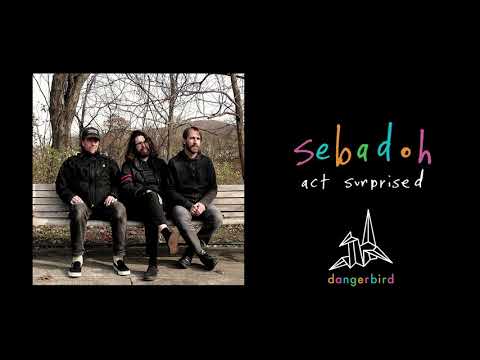
Sebadoh is an American indie rock band formed in 1986 in Northampton, Massachusetts, by Eric Gaffney and Lou Barlow, with multi-instrumentalist Jason Loewenstein completing the line-up in 1989. Barlow co-created Sebadoh as an outlet for his songwriting when J. Mascis gradually took over creative control of Dinosaur Jr., in which Barlow plays bass guitar.
More about Sebadoh→Added
This 2002 interview with Lou Barlow is a treasure trove of insight into the early days of Sebadoh, a band that has been unfairly overlooked in discussions of indie rock's heyday. Conducted by Pat Healy for Berklee Online, this 7:28 clip offers a unique perspective on the challenges and triumphs of making music outside the mainstream.
At the time of filming, Lou Barlow was already an established figure in the indie rock scene, having co-founded Sebadoh with Eric Gaffney in 1986. However, it's fascinating to hear him discuss how "thank you for your services" money from J. Mascis of Dinosaur Jr. allowed him to start up Sebadoh in the early 1990s. This financial support was crucial in enabling Barlow to pursue his own creative vision, one that would eventually lead to some of the most innovative and influential music of the decade.
The interview also delves into the world of royalty checks, with Barlow revealing that "Natural One" by Folk Implosion is his top bread-earner. This might seem like a mundane topic, but it speaks volumes about the financial realities faced by musicians in the indie scene. The fact that Barlow has to think carefully about which songs will generate revenue highlights the precarious nature of making a living from music.
One of the most interesting aspects of this interview is its discussion of home recording technology. In the 1990s, Sebadoh was one of the first bands to heavily utilize home recording techniques, which allowed them to create music on their own terms without the constraints of traditional studio setups. Barlow's enthusiasm for these technologies is palpable, and it's clear that he sees them as a key factor in the band's ability to produce high-quality music.
The conversation also touches upon more unexpected topics, such as Björn Borg and Stephen Pearcy from Ratt. While these references might seem tangential at first glance, they actually reveal Barlow's eclectic tastes and willingness to draw inspiration from outside the music world. This eclecticism is a hallmark of Sebadoh's music, which often blends elements of indie rock, folk, and psychedelia.
As we watch Lou Barlow discuss his experiences with home recording technology and royalty checks, it's impossible not to think about the current state of the music industry. In an era where streaming platforms dominate the landscape, it's striking to see how these issues were already being grappled with in the early 2000s. The fact that Barlow has to carefully consider which songs will generate revenue highlights the challenges faced by musicians in today's digital age.
The interview also offers a glimpse into Pat Healy's own background and interests, including his work on the "Music Is My Life" podcast and his frequent contributions to music sites like Pitchfork and Paste. This adds an extra layer of depth to the conversation, as we see how Healy's own experiences and perspectives inform his questions and follow-up comments.
Ultimately, this interview is a must-watch for anyone interested in indie rock history or the creative process behind some of its most innovative bands. By offering a unique perspective on Sebadoh's early days and the challenges faced by musicians in the 1990s, it provides valuable insights into the world of independent music. As we watch Lou Barlow discuss his experiences with home recording technology and royalty checks, we're reminded of the enduring power of music to inspire and challenge us.
The clip also ends with a nod to Healy's own cameo appearance in the Sebadoh music video for "Ocean", which adds an extra layer of fun and personality to the conversation. This lighthearted touch humanizes the interview, making it feel more like a conversation between friends than a formal Q&A session.
In conclusion, this 2002 interview with Lou Barlow is a treasure trove of insight into the early days of Sebadoh and the challenges faced by musicians in the indie scene. With its unique perspective on home recording technology, royalty checks, and the creative process behind some of indie rock's most innovative bands, it offers valuable lessons for anyone interested in music history or the world of independent music.
Curated from public records and music databases.