About This Footage
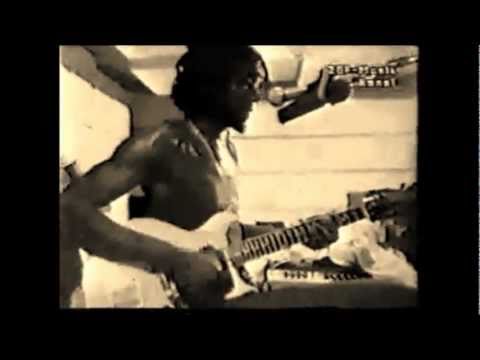
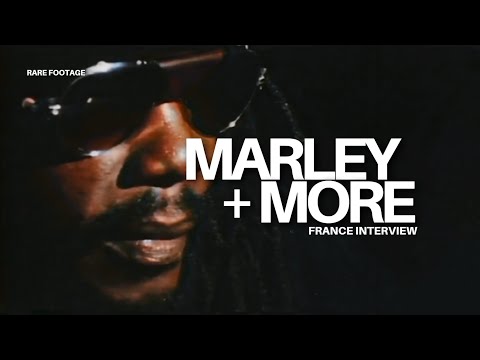
The unassuming, grainy footage of Peter Tosh sitting in a dimly lit room, speaking with Daniel Calderon for Rogers TV Toronto in 1979. At first glance, it may seem like just another interview from the era, but scratch beneath the surface and you'll find a treasure trove of insight into the mind of one of reggae's most iconic figures.
In 1979, Peter Tosh was at a crossroads. He had recently parted ways with his former Wailers bandmates Bob Marley and Bunny Wailer, and was embarking on a solo career that would cement his status as a leading voice in the Rastafarian movement. The interview itself is a masterclass in nuance, as Tosh effortlessly navigates topics ranging from his spiritual beliefs to his musical influences.
What makes this clip so rare and significant, however, is its candid portrayal of Tosh's thoughts on the state of the world at that particular moment. Shot just two years after Marley's assassination, the interview serves as a poignant reminder of the turmoil that was brewing in Jamaica during the late 1970s. Tosh's words are laced with a sense of urgency and warning, as he speaks out against the injustices faced by his people and the dangers of Western influence on Jamaican culture.
One of the most striking aspects of this interview is its raw, unpolished quality. Unlike many of the slickly produced interviews that were common during this era, Tosh's conversation with Calderon feels refreshingly honest and unscripted. There are no PR spin doctors or carefully crafted soundbites – just a genuine, heartfelt exchange between two individuals who share a deep passion for music and social justice.
As you watch Peter Tosh speak, you can't help but be struck by his charisma and conviction. His words are infused with a sense of fire and purpose, as he rallies against the status quo and calls for greater awareness and action from his audience. It's a testament to his enduring legacy that even decades after his passing, his message remains just as relevant today.
The fact that this interview has been preserved and shared on YouTube is a minor miracle in itself. Given its rarity and historical significance, it's a wonder that such footage hasn't been lost to the ages. Thankfully, thanks to the efforts of Daniel Calderon – who worked tirelessly behind the scenes to capture these moments – we can now experience Peter Tosh's words and wisdom for ourselves.
As you sit through the 10-minute interview, you'll be transported back in time to an era when reggae music was still a relatively new force on the global stage. You'll see Tosh's eyes light up with passion as he discusses his love of African culture and his commitment to spreading Rastafarian ideals. You'll hear him speak candidly about the challenges faced by black artists in the industry, and his determination to create music that truly reflects his people's experiences.
In short, this interview is a must-watch for anyone interested in reggae history, social justice, or simply understanding the complexities of Peter Tosh's remarkable life. It's a rare glimpse into the mind of a true icon, and a poignant reminder of the enduring power of music to inspire and uplift us all.
Curated from public records and music databases.
![Thumbnail for Elvis Costello • Lip Service • 1977 [Reelin' In The Years Archive] by Elvis Costello](https://img.youtube.com/vi/f3wwWhRpNjk/hqdefault.jpg)