About This Footage
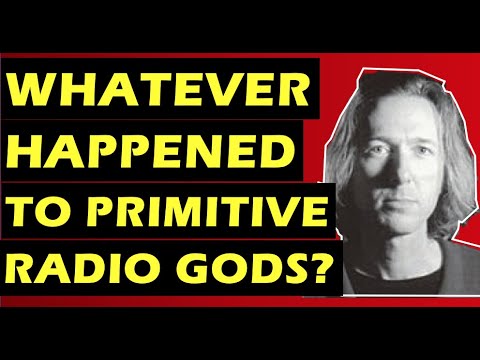
In a dusty corner of the internet, a relic from the mid-90s has resurfaced: an interview with Primitive Radio Gods, conducted by Blender in 1996. The footage is brief – just 57 seconds long – but it's a fascinating glimpse into the band's early days and the alt-rock scene that was dominating the airwaves at the time.
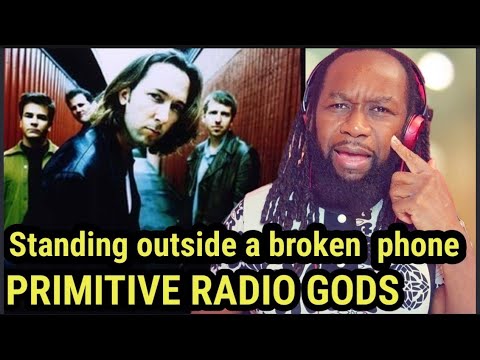
At the height of their popularity, Primitive Radio Gods were riding high on the success of their debut single "Standing Outside a Broken Phone Booth with Money in My Hand." The song's catchy hooks and lyrics had captured the imaginations of listeners everywhere, and the band was hailed as one of the most promising new acts to emerge from Southern California. But what does this footage reveal about the band's creative process and artistic vision?
One thing that stands out is the band's DIY ethos. In the interview, Chris O'Connor mentions the importance of self-reliance in their music-making, citing their own production and recording efforts as a key factor in their success. This emphasis on independence was (and still is) a hallmark of the alt-rock movement, which prized authenticity and individuality over commercial polish.
The band's sound, too, is notable for its eclectic blend of influences. O'Connor mentions being inspired by everything from The Beatles to Talking Heads, and Luke McAuliffe's instrumental contributions add an extra layer of depth and complexity to their music. This fusion of styles was a key aspect of the alt-rock aesthetic, which sought to break free from the constraints of traditional rock music.
What makes this footage rare or significant is its candid portrayal of the band in a relatively early stage of their career. At this point, they were still riding high on the success of their debut single and hadn't yet faced the challenges that would come with trying to sustain a long-term career in the cutthroat music industry. The interview provides a unique window into their creative process and artistic vision at a pivotal moment in their development.
Viewers will take away from watching this footage a sense of Primitive Radio Gods' commitment to their art and their desire to push the boundaries of what was possible in rock music. They'll also get a glimpse into the alt-rock scene of the mid-90s, with its emphasis on DIY ethos, eclecticism, and creative experimentation.
One aspect that's particularly striking is the band's use of language and imagery. O'Connor's lyrical references to phone booths, money, and broken connections are both poignant and prescient, foreshadowing the themes of disconnection and disillusionment that would become a hallmark of 90s alt-rock. The visuals in the interview – grainy footage of the band members speaking in front of a camera – add to the sense of intimacy and immediacy.
The Primitive Radio Gods' story is also one of perseverance and adaptability. Despite their early success, they faced significant challenges in maintaining momentum and staying relevant in an ever-changing musical landscape. This footage serves as a reminder that even the most promising careers can be marked by ups and downs, twists and turns – and that it's precisely this kind of creative resilience that allows artists to truly leave their mark.
Ultimately, watching this interview is like stumbling upon a lost artifact from another era – one that offers a fascinating glimpse into the past while also speaking directly to our present. It's a testament to the enduring power of music to capture our imaginations and transport us to another time and place.
Curated from public records and music databases.