About This Footage
The raw, unbridled energy emanating from Joe Bethancourt's "Naked Banjos" is a breath of fresh air in an era dominated by polished production values. Filmed in 2002, this footage is a testament to the artist's commitment to preserving traditional Appalachian folk music. At a time when the industry was increasingly focused on commercial viability, Bethancourt remained resolute in his pursuit of authenticity.
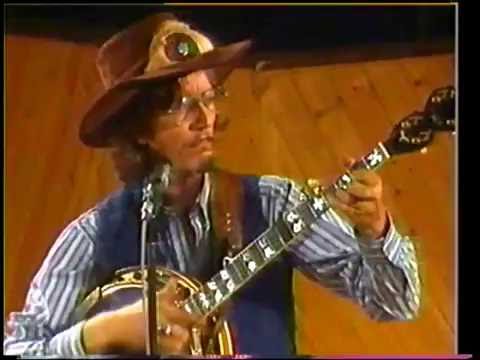
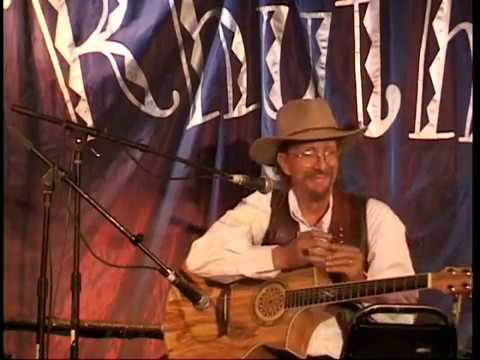
As we watch Bethancourt pick and sing with unbridled passion, it becomes clear that he is not just a musician – he is a keeper of tradition. His playing style, influenced by the likes of Doc Watson and Norman Blake, is a masterclass in simplicity and elegance. The camera captures every nuance of his movements, from the deft way he plucks the strings to the way his fingers dance across the fretboard.
What makes this footage so rare and significant is its unvarnished portrayal of a true folk musician at work. Unlike the slickly produced videos that dominated the airwaves in 2002, "Naked Banjos" is an intimate, almost voyeuristic glimpse into Bethancourt's creative process. We see him sweat-drenched, his face flushed with exertion as he pours his heart and soul into each performance.
The setlist itself is a treasure trove of traditional folk classics, including "Soldier's Joy," "Cindy Cindy," and "Poor Wayfaring Stranger." These songs are not just relics of the past – they are living, breathing entities that continue to captivate audiences with their timeless themes of love, loss, and longing. Bethancourt's interpretations are infused with a deep sense of respect for the music's origins, yet he also brings a modern sensibility to these age-old tales.
One of the most striking aspects of "Naked Banjos" is its use of interludes – brief, instrumental passages that serve as bookends to each song. These moments are not just filler; they are an integral part of the performance, adding texture and depth to the overall experience. The way Bethancourt seamlessly transitions from one tune to the next, using these interludes to create a sense of continuity and flow, is a testament to his mastery of the genre.
As we watch "Naked Banjos," it becomes clear that this footage is not just about the music – it's about the culture that surrounds it. Bethancourt's performances are infused with a deep sense of community and connection, a feeling that he is sharing something precious and sacred with his audience. This is not just entertainment; it's an experience that transcends the boundaries of genre and style.
The footage also offers a fascinating glimpse into the world of traditional folk music in 2002. At a time when the industry was increasingly focused on crossover appeal, Bethancourt remained committed to preserving the integrity of this unique musical heritage. His dedication is inspiring, and his passion is contagious – as we watch him perform, it's impossible not to feel swept up in the energy and emotion of the music.
As the final notes of "Soldier's Joy" fade away, leaving us with a sense of longing and nostalgia, it becomes clear that "Naked Banjos" is more than just a performance – it's an experience. It's a reminder that, even in an era dominated by technology and commercialism, there are still artists like Joe Bethancourt who remain true to their vision, who refuse to compromise on their artistry. Watching this footage is not just about appreciating the music; it's about being transported to a world of beauty, simplicity, and authenticity – a world that feels increasingly rare in today's fast-paced, hyper-mediated culture.
Curated from public records and music databases.
![Thumbnail for Jogia Di Kanna Vich [Full Song] Pardeshi Mela 2003- Live Recording by Hans Raj Hans](https://img.youtube.com/vi/xOvj3sW9l6c/hqdefault.jpg)