Slieve Galleon Braes
Irish Emigration Ballad by Dolores Keane & John Faulkner. "As I was walkin' one morning all in the month of May To view all your mountains and valleys so gay, I was thinking on the flowers all going to decay That bloom around ye, bonny, bonny Slieve Galleon Braes. Full of times I have wandered with my dog and my gun, I'd ramble these mountains and your valleys for fun, But those days they now all over and I can no longer stay So farewell unto you bonny, bonny, Slieve Galleon Braes. How oft in the evening with the sun all in the west I walked hand in hand with the one I love best But the hopes of youth are ended and I am far away So farewell unto you bonny bonny Slieve Galleon Braes 'tis not for the want of employment at home That causes the son of ould Ireland to roam, But the rates were gettin' higher and I could no longer stay So farewell unto you bonny, bonny, Slieve Galleon Braes. Our isle it will be green and our cottages be gay Our children will be clothed and our wives will drink strong tea Oh you tyrannising landlords - I will no longer stay So farewell unto to you bonny bonny Slieve Galleon Braes." Dolores Keane (born 26th September, 1953) is an Irish folk singer and musician. She was a founding member and vocalist of De Dannan, and appeared on the self-titled debut album Dé Danann in 1975. In 1977, Dolores left the group to marry John Faulkner. (Both being multi-instrumentalists, they recorded three albums together.) Dolores played concertina, flute, whistle, hurdy gurdy, and bodhrán. The anthology A Woman's Heart (1992), with three songs by Dolores Keane, was one of the most popular folk anthologies of the nineties. Keane was born in Caherlistrane, County Galway, Ireland. She is a sister of musician Seán Keane. Her aunts Rita and Sara Keane are also singers. She has duetted with American singer John Prine on his album In Spite of Ourselves. In a slight departure, "Tideland" is a mixture of Irish and Norwegian songs, song by Dolores Keane and Norwegian singer Rita Eriksen. It was originally released in 1996 in Norway, but reached a larger audience when it was re-released
About This Footage
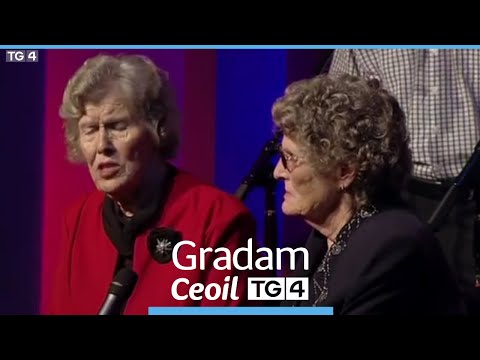
The 1953 footage of Dolores Keane singing "Slieve Galleon Braes" is a rare gem that offers a glimpse into the early life of one of Ireland's most beloved folk singers. At the time, Keane was just a toddler, but her future as a musician was already taking shape. Born in 1953, the same year this footage was recorded, Keane would go on to become a founding member of De Dannan and release several critically acclaimed albums.
The song itself is a poignant emigration ballad that captures the longing and nostalgia for one's homeland. The lyrics are a powerful expression of the struggles faced by Irish people during the Great Famine era, when economic hardship forced many to leave their families and homes behind in search of better opportunities abroad. Keane's rendition of this classic folk song is marked by her soaring vocals and the lilting rhythm of the traditional Irish melody.
What makes this footage significant is that it predates Keane's professional music career by several decades. The clip provides a unique insight into the singer's early life, showcasing her natural talent and affinity for traditional Irish music. It also highlights the importance of preserving Ireland's cultural heritage through music, which has played a vital role in shaping the country's identity.
Keane's family background is equally fascinating. Born in Caherlistrane, County Galway, she comes from a long line of musicians. Her sister Seán Keane is also a renowned musician, while their aunts Rita and Sara are accomplished singers in their own right. This musical legacy has clearly had a profound influence on Keane's career, shaping her unique sound and style.
The 1953 footage of "Slieve Galleon Braes" is not only a testament to Keane's early talent but also a reminder of the rich cultural heritage that underpins Irish music. The song's themes of emigration and longing continue to resonate with audiences today, making this clip an essential watch for anyone interested in traditional Irish music or the life and career of Dolores Keane.
As we listen to Keane's haunting vocals and the lilting rhythm of the melody, it's impossible not to be struck by the historical significance of this footage. The song is a powerful expression of the human experience, capturing the struggles and aspirations of those who left Ireland in search of a better life. In "Slieve Galleon Braes," we hear the echoes of generations past, their stories and struggles still resonating through the music.
The 3:42 clip may be brief, but its impact is lasting. It offers a glimpse into Keane's early life, showcasing her natural talent and affinity for traditional Irish music. As we watch this footage, we're reminded of the importance of preserving Ireland's cultural heritage through music, which has played a vital role in shaping the country's identity.
In the end, "Slieve Galleon Braes" is more than just a song – it's a window into Ireland's past, a reflection of the struggles and aspirations of those who left their homeland behind. As we listen to Keane's haunting vocals, we're transported to a different era, one marked by hardship and struggle, but also by hope and resilience. This clip is a testament to the enduring power of music to capture the human experience, and it's a reminder that even in the most difficult times, there is always beauty to be found.
Curated from public records and music databases.
About Dolores Keane
Dolores Keane was an Irish folk singer. She was a founding member of the group De Dannan and later pursued a solo recording and touring career.
More about Dolores Keane→Added
Know someone who'd love this clip?
Share it with friends and fellow fans.