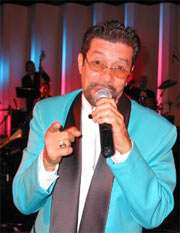
Israel Kantor — Rare Footage & Clips
Israel Kantor's impact on music history is a testament to his enduring legacy as a sonero of unparalleled talent. With a career spanning over five decades, from 1949 to 2006, Kantor left an indelible mark on the world of Son cubano, a genre that has captivated audiences with its unique blend of African rhythms and Spanish lyrics.
One of the earliest glimpses into Kantor's artistry can be seen in his work with Los Van Van, a pioneering group that revolutionized Cuban music. The archive features footage of Kantor performing alongside this iconic ensemble, showcasing his mastery of the sonero style. His collaborations with other renowned musicians, such as Sal Cuevas and Barry Rogers, further demonstrate his versatility and ability to adapt to diverse musical contexts.
Kantor's influence can also be seen in his own compositions, particularly on the album "Sonero por excelencia interpreta sus canciones" (1988), a testament to his skill as a songwriter. This album is a treasure trove of Son cubano classics, expertly reinterpreted by Kantor's distinctive voice and style.
The archive also includes footage of Kantor performing in New York City, where he had relocated in the 1980s. It was during this period that he adopted the stage name "Kantor," a nod to his role as a singer (cantor) at the recommendation of Johnny Pacheco. This transformation marked a new chapter in his career, one that saw him collaborate with an array of talented musicians and establish himself as a leading figure in the Cuban music scene.
One notable highlight from Kantor's time in New York City is his performance of "Ya Estoy Aquí," which reached the number two spot on Miami radio charts in 2002. This achievement serves as a testament to his continued relevance and popularity, even after decades of dedication to his craft.
Kantor's impact extends beyond his own music, however, as he played a significant role in introducing Son cubano to international audiences. His collaborations with Los Van Van and other groups helped pave the way for future generations of Cuban musicians, who would go on to achieve global success.
Throughout his career, Kantor remained true to his roots, drawing inspiration from the likes of Beny More, one of Cuba's most beloved soneros. This dedication to tradition is evident in his music, which seamlessly blends classic Son cubano elements with innovative arrangements and interpretations.
The archive's collection of footage provides a unique glimpse into Kantor's artistry, showcasing his mastery of the sonero style and his ability to connect with audiences across cultures. As we delve deeper into his discography and performances, it becomes clear that Israel Kantor was more than just a talented musician – he was a key figure in shaping the sound of Son cubano for generations to come.
The significance of Kantor's contributions cannot be overstated, particularly in light of his impact on the Cuban music scene. His work with Los Van Van and other groups helped establish Son cubano as a major force in world music, paving the way for future generations of musicians.
Kantor's legacy extends beyond his own music, however, as he played a significant role in introducing Son cubano to international audiences. His collaborations with other musicians and his performances in New York City and Miami demonstrate his ability to adapt to diverse musical contexts while remaining true to his artistic vision.
The archive's collection of footage serves as a testament to Kantor's enduring legacy, providing a unique glimpse into the life and career of this remarkable musician. As we explore his discography and performances, it becomes clear that Israel Kantor was a true master of Son cubano, whose impact will continue to be felt for generations to come.
In the years following his passing in 2006, Kantor's music has continued to captivate audiences around the world. His legacy serves as a reminder of the power of music to transcend borders and cultures, connecting people across the globe through shared experiences and emotions.
The archive's collection of footage is a treasure trove of musical history, providing a unique glimpse into the life and career of Israel Kantor. As we delve deeper into his discography and performances, it becomes clear that this remarkable musician left an indelible mark on the world of Son cubano, inspiring generations of musicians to come.
Kantor's impact on music history is a testament to his enduring legacy as a sonero of unparalleled talent. With a career spanning over five decades, from 1949 to 2006, Kantor left an indelible mark on the world of Son cubano, a genre that has captivated audiences with its unique blend of African rhythms and Spanish lyrics.
The archive's collection of footage serves as a reminder of the significance of Kantor's contributions to music history. His work with Los Van Van and other groups helped establish Son cubano as a major force in world music, paving the way for future generations of musicians.
Kantor's legacy extends beyond his own music, however, as he played a significant role in introducing Son cubano to international audiences. His collaborations with other musicians and his performances in New York City and Miami demonstrate his ability to adapt to diverse musical contexts while remaining true to his artistic vision.
The archive's collection of footage provides a unique glimpse into Kantor's artistry, showcasing his mastery of the sonero style and his ability to connect with audiences across cultures. As we explore his discography and performances, it becomes clear that Israel Kantor was a true master of Son cubano, whose impact will continue to be felt for generations to come.
In light of his contributions to music history, it is clear that Israel Kantor's legacy will endure long after his passing in 2006. His music continues to captivate audiences around the world, serving as a testament to the power of Son cubano to connect people across cultures and borders.
The archive's collection of footage serves as a reminder of the significance of Kantor's contributions to music history. His work with Los Van Van and other groups helped establish Son cubano as a major force in world music, paving the way for future generations of musicians.
Kantor's legacy extends beyond his own music, however, as he played a significant role in introducing Son cubano to international audiences. His collaborations with other musicians and his performances in New York City and Miami demonstrate his ability to adapt to diverse musical contexts while remaining true to his artistic vision.
The archive's collection of footage provides a unique glimpse into Kantor's artistry, showcasing his mastery of the sonero style and his ability to connect with audiences across cultures. As we explore his discography and performances, it becomes clear that Israel Kantor was a true master of Son cubano, whose impact will continue to be felt for generations to come.
In light of his contributions to music history, it is clear that Israel Kantor's legacy will endure long after his passing in 2006. His music continues to captivate audiences around the world, serving as a testament to the power of Son cubano to connect people across cultures and borders.
Curated from public records and music databases.