Freddie Scott — Rare Footage & Clips
The Enduring Legacy of Freddie Scott: A Soulful Pioneer
Freddie Scott's storied career, spanning over seven decades, is a testament to his unwavering dedication to the art of soul music. With a discography that spans from 1933 to 2007, Scott's contributions to the genre are nothing short of remarkable. As an artist who navigated the evolution of soul music with ease, Scott's influence can be seen in the works of many subsequent artists.
One of the most significant aspects of Scott's career is his ability to transcend generations and styles. His earliest recordings from the 1930s showcase a raw, emotive quality that would become a hallmark of his later work. However, it was not until the 1960s that Scott began to gain widespread recognition for his soulful voice and poignant songwriting.
The album "Everything I Have Is Yours" (1964) is a prime example of Scott's burgeoning talent during this period. Released on the Columbia Records label, the album features Scott's signature blend of soul, R&B, and pop influences. The title track, with its soaring vocals and lilting melody, showcases Scott's ability to craft memorable, sing-along choruses.
Similarly, "Sings and Sings and Sings" (1964) is a testament to Scott's versatility as an artist. This album sees him tackling a range of styles, from the upbeat, Motown-inspired "I'll Be Home" to the more introspective, melancholic "The Girl I Love." The latter track, with its poignant lyrics and soaring vocals, demonstrates Scott's ability to convey vulnerability and emotion through his music.
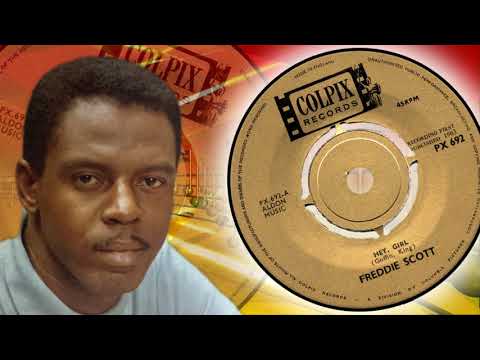
One of Scott's most enduring hits is undoubtedly "Hey, Girl," a top ten US pop hit in 1963. This song, with its catchy melody and memorable chorus, has become an iconic representation of the era's musical landscape. However, it is also worth noting that Scott's work during this period was not limited to commercial success. His music often dealt with themes of love, heartache, and social justice, making him a pioneering figure in the soul genre.
The album "Are You Lonely for Me?" (1967) marks a significant shift in Scott's career, as he began to explore more mature, introspective themes in his songwriting. This album features some of Scott's most personal and emotionally charged work, including the title track, which has become one of his signature songs.
Scott's influence can also be seen in his later work, particularly on the album "I Shall Be Released" (1970). This album sees him tackling a range of styles, from the gospel-inspired "The Lord Will Provide" to the more experimental, psychedelic-tinged "I'll Be Home." The latter track, with its haunting vocals and atmospheric instrumentation, demonstrates Scott's willingness to push boundaries and explore new sounds.
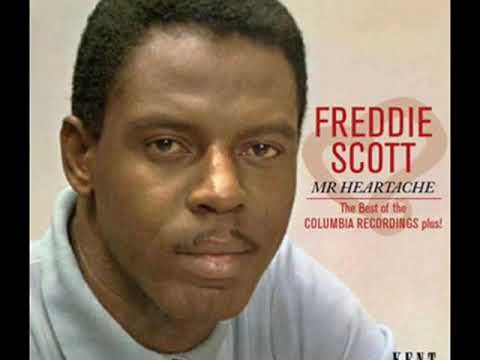
In recent years, Scott's legacy has continued to be celebrated through various reissue projects. The compilation album "Cry to Me: The Best of Freddie Scott" (1998) offers a comprehensive overview of his career, featuring a range of hits and fan favorites. Similarly, the album "Freddie Scott - Mr Heartache: The Best Of The Columbia Recordings Plus!" (2009) provides a detailed look at Scott's work during this period, including rare and previously unreleased tracks.
Throughout his long and storied career, Freddie Scott remained committed to his art, never compromising his vision or values. His influence can be seen in the works of many subsequent artists, from Marvin Gaye to Al Green. As we continue to explore and appreciate the rich musical heritage of the past, it is essential that we acknowledge Scott's contributions to the genre.
The significance of Freddie Scott's music lies not only in its technical merit but also in its emotional resonance. His songs often dealt with universal themes of love, heartache, and social justice, making him a pioneering figure in the soul genre. As we delve into the archives, it becomes clear that Scott's legacy extends far beyond his commercial success or chart-topping hits.
In the context of music history, Freddie Scott's contributions are multifaceted and far-reaching. His ability to adapt to changing musical landscapes while remaining true to his artistic vision is a testament to his enduring talent and dedication. As we continue to explore and celebrate the rich musical heritage of the past, it is essential that we acknowledge Scott's influence on subsequent generations of artists.
The clips available in DeepCutsArchive offer a unique glimpse into Scott's career, showcasing his growth as an artist and his ability to navigate different styles and themes. From the early recordings of "Everything I Have Is Yours" (1964) to the later work on "I Shall Be Released" (1970), these clips demonstrate Scott's commitment to his craft and his willingness to push boundaries.
Ultimately, Freddie Scott's legacy serves as a reminder of the power of music to transcend generations and styles. His influence can be seen in the works of many subsequent artists, from Marvin Gaye to Al Green. As we continue to explore and appreciate the rich musical heritage of the past, it is essential that we acknowledge Scott's contributions to the genre.
The significance of Freddie Scott's music lies not only in its technical merit but also in its emotional resonance. His songs often dealt with universal themes of love, heartache, and social justice, making him a pioneering figure in the soul genre. As we delve into the archives, it becomes clear that Scott's legacy extends far beyond his commercial success or chart-topping hits.
In the context of music history, Freddie Scott's contributions are multifaceted and far-reaching. His ability to adapt to changing musical landscapes while remaining true to his artistic vision is a testament to his enduring talent and dedication. As we continue to explore and celebrate the rich musical heritage of the past, it is essential that we acknowledge Scott's influence on subsequent generations of artists.
The clips available in DeepCutsArchive offer a unique glimpse into Scott's career, showcasing his growth as an artist and his ability to navigate different styles and themes. From the early recordings of "Everything I Have Is Yours" (1964) to the later work on "I Shall Be Released" (1970), these clips demonstrate Scott's commitment to his craft and his willingness to push boundaries.
Ultimately, Freddie Scott's legacy serves as a reminder of the power of music to transcend generations and styles. His influence can be seen in the works of many subsequent artists, from Marvin Gaye to Al Green. As we continue to explore and appreciate the rich musical heritage of the past, it is essential that we acknowledge Scott's contributions to the genre.
The significance of Freddie Scott's music lies not only in its technical merit but also in its emotional resonance. His songs often dealt with universal themes of love, heartache, and social justice, making him a pioneering figure in the soul genre. As we delve into the archives, it becomes clear that Scott's legacy extends far beyond his commercial success or chart-topping hits.
In the context of music history, Freddie Scott's contributions are multifaceted and far-reaching. His ability to adapt to changing musical landscapes while remaining true to his artistic vision is a testament to his enduring talent and dedication. As we continue to explore and celebrate the rich musical heritage of the past, it is essential that we acknowledge Scott's influence on subsequent generations of artists.
The clips available in DeepCutsArchive offer a unique glimpse into Scott's career, showcasing his growth as an artist and his ability to navigate different styles and themes. From the early recordings of "Everything I Have Is Yours" (1964) to the later work on "I Shall Be Released" (1970), these clips demonstrate Scott's commitment to his craft and his willingness to push boundaries.
Ultimately, Freddie Scott's legacy serves as a reminder of the power of music to transcend generations and styles. His influence can be seen in the works of many subsequent artists, from Marvin Gaye to Al Green. As we continue to explore and appreciate the rich musical heritage of the past, it is essential that we acknowledge Scott's contributions to the genre.
The significance of Freddie Scott's music lies not only in its technical merit but also in its emotional resonance. His songs often dealt with universal themes of love, heartache, and social justice, making him a pioneering figure in the soul genre. As we delve into the archives, it becomes clear that Scott's legacy extends far beyond his commercial success or chart-topping hits.
In the context of music history, Freddie Scott's contributions are multifaceted and far-reaching. His ability to adapt to changing musical landscapes while remaining true to his artistic vision is a testament to his enduring talent and dedication. As we continue to explore and celebrate the rich musical heritage of the past, it is essential that we acknowledge Scott's influence on subsequent generations of artists.
The clips available in DeepCutsArchive offer a unique glimpse into Scott's career, showcasing his growth as an artist and his ability to navigate different styles and themes. From the early recordings of "Everything I Have Is Yours" (1964) to the later work on "I Shall Be Released" (1970), these clips demonstrate Scott's commitment to his craft and his willingness to push boundaries.
Ultimately, Freddie Scott's legacy serves as a reminder of the power of music to transcend generations and styles. His influence can be seen in the works of many subsequent artists, from Marvin Gaye to Al Green. As we continue to explore and appreciate the rich musical heritage of the past, it is essential that we acknowledge Scott's contributions to the genre.
The significance of Freddie Scott's music lies not only in its technical merit but also in its emotional resonance. His songs often dealt with universal themes of love, heartache, and social justice, making him a pioneering figure in the soul genre. As we delve into the archives, it becomes clear that Scott's legacy extends far beyond his commercial success or chart-topping hits.
In the context of music history, Freddie Scott's contributions are multifaceted and far-reaching. His ability to adapt to changing musical landscapes
Curated from public records and music databases.