Deniece Williams — Rare Footage & Clips
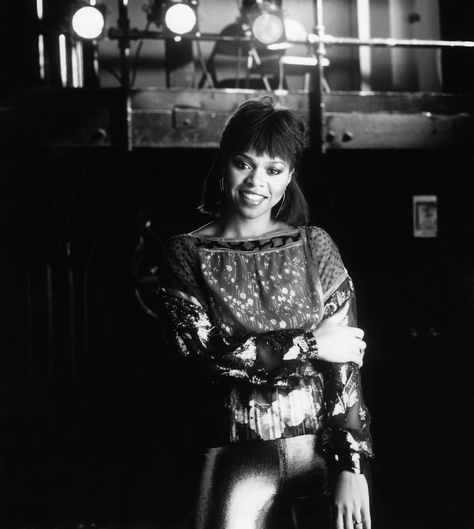
Deniece Williams is a name that resonates deeply within the annals of music history, a testament to the enduring power of her voice and artistry. For over six decades, she has been an integral part of the musical landscape, leaving an indelible mark on the genres of soul, R&B, and pop. With a career spanning from 1951 to the present day, Williams' impact is multifaceted, reflecting her versatility as a singer, songwriter, and performer.
A cursory glance at her discography reveals a wealth of creative output, with notable albums such as This Is Niecy (1976), Song Bird (1977), That's What Friends Are For (1978), When Love Comes Calling (1979), My Melody (1981), Niecy (1982), I'm So Proud (1983), Let's Hear It for the Boy (1984), and So Glad I Know (1986). These releases not only showcase her growth as an artist but also demonstrate her willingness to experiment with different styles, from the soulful introspection of "Song Bird" to the more upbeat, pop-infused arrangements found on "Let's Hear It for the Boy".
One of the most significant aspects of Williams' career is her ability to transcend genres and appeal to a broad audience. This is exemplified by her collaboration with Johnny Mathis on the duet "Too Much, Too Little, Too Late", which reached No.1 on the Billboard Hot 100 chart in 1979. The song's success not only highlights Williams' capacity for crafting memorable melodies but also underscores her ability to work effectively within a variety of musical contexts.
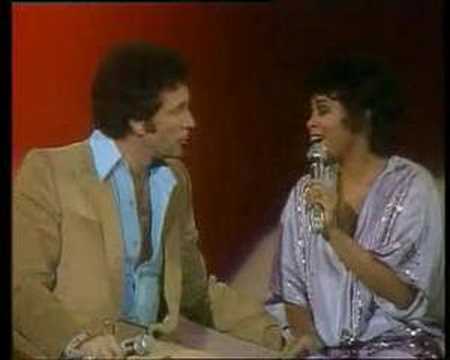
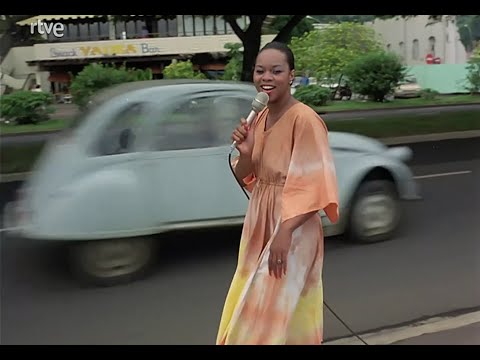
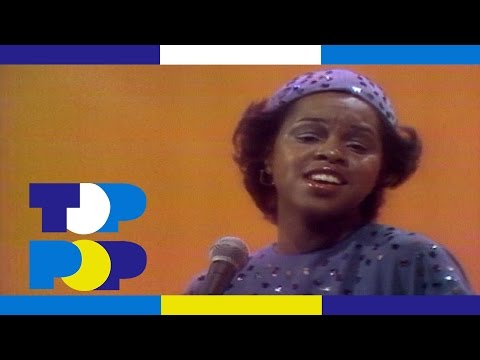
The archive at DeepCutsArchive features several clips that offer a glimpse into Williams' artistry, including footage from her performances on various television shows and live concerts. One such clip, taken from the 1978 album "That's What Friends Are For", showcases her rendition of the title track. This performance is notable not only for its technical precision but also for its emotional depth, as Williams brings a sense of vulnerability to the lyrics.
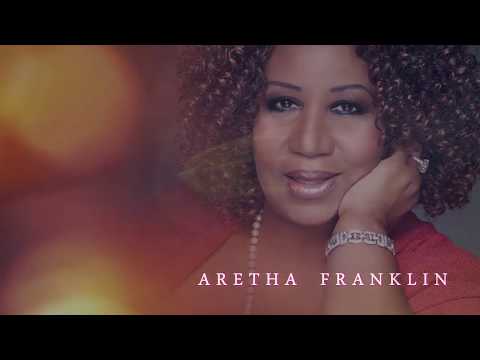
Williams' impact on music history extends beyond her own creative output. Her influence can be seen in the work of subsequent artists who have drawn upon her style and approach. For example, the soulful, emotive delivery found on "Free" has been cited as an inspiration by numerous singers, including Aretha Franklin and Anita Baker.
The archive at DeepCutsArchive also features a clip from Williams' 1984 album "Let's Hear It for the Boy", which includes her eponymous hit single. This song is significant not only because of its commercial success but also due to its role in popularizing the concept of the "anthem" – a genre-bending approach that blends elements of pop, rock, and R&B.
A closer examination of Williams' discography reveals a recurring theme of exploration and experimentation. Her 1981 album "My Melody", for instance, saw her incorporating more pronounced electronic elements into her sound, while the 1986 release "So Glad I Know" featured a greater emphasis on live instrumentation. These shifts in style reflect Williams' willingness to adapt and evolve as an artist, ensuring that her music remains relevant and engaging.
Williams' impact on music history is further underscored by her four Grammy Awards and twelve nominations throughout her career. This recognition serves as a testament to her skill as a singer, songwriter, and performer, as well as her ability to craft memorable melodies that resonate with audiences.
The significance of Williams' contributions to music history cannot be overstated. Her influence can be seen in the work of numerous artists who have followed in her footsteps, from soul and R&B singers to pop and rock musicians. As a testament to her enduring legacy, the archive at DeepCutsArchive is proud to feature an extensive collection of clips showcasing Williams' artistry.
Furthermore, the fact that Williams has been active for over six decades speaks to her dedication and perseverance as an artist. Despite the many changes in the music industry during this time, she has continued to produce high-quality work, ensuring that her voice remains a vital part of the musical landscape.
In addition to her own creative output, Williams' influence can be seen in the broader cultural context. Her music often addresses themes of love, relationships, and personal growth – topics that continue to resonate with audiences today. This ability to tap into universal emotions has contributed significantly to her enduring appeal, making her one of the most beloved and respected artists of her generation.
In conclusion, Deniece Williams is an artist whose impact on music history cannot be overstated. With a career spanning over six decades, she has left an indelible mark on the genres of soul, R&B, and pop. Her influence can be seen in the work of numerous subsequent artists, from soul and R&B singers to pop and rock musicians. The archive at DeepCutsArchive is proud to feature an extensive collection of clips showcasing Williams' artistry, offering a glimpse into her enduring legacy as one of the most significant voices in music history.
Williams' ability to transcend genres and appeal to a broad audience has been a hallmark of her career. This versatility is reflected in her willingness to experiment with different styles, from the soulful introspection of "Song Bird" to the more upbeat, pop-infused arrangements found on "Let's Hear It for the Boy". Her collaboration with Johnny Mathis on "Too Much, Too Little, Too Late" serves as a testament to her capacity for crafting memorable melodies that resonate with audiences.
The archive at DeepCutsArchive features several clips that offer a glimpse into Williams' artistry. One such clip, taken from the 1978 album "That's What Friends Are For", showcases her rendition of the title track. This performance is notable not only for its technical precision but also for its emotional depth, as Williams brings a sense of vulnerability to the lyrics.
Williams' impact on music history extends beyond her own creative output. Her influence can be seen in the work of subsequent artists who have drawn upon her style and approach. For example, the soulful, emotive delivery found on "Free" has been cited as an inspiration by numerous singers, including Aretha Franklin and Anita Baker.
The significance of Williams' contributions to music history cannot be overstated. Her influence can be seen in the work of numerous artists who have followed in her footsteps, from soul and R&B singers to pop and rock musicians. As a testament to her enduring legacy, the archive at DeepCutsArchive is proud to feature an extensive collection of clips showcasing Williams' artistry.
Furthermore, the fact that Williams has been active for over six decades speaks to her dedication and perseverance as an artist. Despite the many changes in the music industry during this time, she has continued to produce high-quality work, ensuring that her voice remains a vital part of the musical landscape.
In addition to her own creative output, Williams' influence can be seen in the broader cultural context. Her music often addresses themes of love, relationships, and personal growth – topics that continue to resonate with audiences today. This ability to tap into universal emotions has contributed significantly to her enduring appeal, making her one of the most beloved and respected artists of her generation.
The archive at DeepCutsArchive is proud to feature an extensive collection of clips showcasing Williams' artistry, offering a glimpse into her enduring legacy as one of the most significant voices in music history.
Curated from public records and music databases.