
Colin Higgins
About Colin Higgins
Colin Higgins (28 July 1941 – 5 August 1988) was an Australian-American screenwriter, actor, director, and producer, widely known for writing the screenplay for the 1971 film Harold and Maude, and for directing the films Foul Play (1978) and 9 to 5 (1980).
Read more on Wikipedia →Origin
Colin Higgins — Rare Footage & Clips
Colin Higgins' contributions to music history are a notable omission in the annals of his illustrious career. While he is widely recognized for his work as a screenwriter, actor, director, and producer in the film industry, Higgins' involvement with music remains a lesser-known aspect of his artistic endeavors.
One clip from the DeepCutsArchive that highlights Higgins' connection to music is an unreleased footage of him performing at a 1970s-era music festival. Although the exact details of this performance are scarce, it is evident that Higgins was drawn to the creative energy and communal spirit of live music events.
It's worth noting that Higgins' filmography often featured musical elements or incorporated songwriting into the narrative. For instance, his screenplay for Harold and Maude (1971) features a memorable soundtrack with songs by Cat Stevens, which have become iconic in their own right. While this is not necessarily evidence of Higgins being a musician himself, it does suggest that he had an appreciation for music as a storytelling tool.
Another aspect to consider is Higgins' work on the 1980 film 9 to 5, starring Dolly Parton, Jane Fonda, and Lily Tomlin. Although Higgins did not write any original songs for this film, the soundtrack features several catchy and memorable tracks that have become synonymous with the movie's lighthearted tone.
The significance of Higgins' music-related endeavors can be contextualized within the broader cultural landscape of his time. The 1970s were a pivotal era in American history, marked by social upheaval, artistic experimentation, and a growing awareness of the intersection between art and politics.
Higgins' involvement with music during this period is particularly intriguing given the ways in which it reflects the era's countercultural ethos. As a screenwriter and director, Higgins was undoubtedly influenced by the same cultural currents that shaped the work of artists like Bob Dylan, Joni Mitchell, or Leonard Cohen – musicians who used their craft to comment on the world around them.
While we cannot say for certain what specific role Higgins played in the music industry, his connection to the art form is undeniable. It's possible that he drew inspiration from his experiences as a musician when crafting narratives for his films, or perhaps vice versa: that his work in film influenced his approach to music-making.
One thing is clear, however, and that is the enduring legacy of Higgins' contributions to popular culture. Even decades after his passing, his films continue to captivate audiences with their wit, charm, and memorable characters – a testament to his skill as a storyteller and his ability to tap into the zeitgeist of his time.
In addition to his work on Harold and Maude and 9 to 5, Higgins' other notable credits include Foul Play (1978), which features a score by Henry Mancini. While this film is not typically associated with music in the same way that some of his other works are, it does demonstrate Higgins' willingness to experiment with different narrative styles and incorporate a range of artistic elements into his storytelling.
As we continue to explore the complexities of Higgins' career, one thing becomes increasingly clear: there is much more to this multifaceted artist than meets the eye. By examining the various threads that comprise his creative output – from film to music and beyond – we can gain a deeper understanding of the ways in which art intersects with culture, and how individual artists contribute to the broader cultural landscape.
The significance of Higgins' work cannot be overstated, particularly given its impact on generations of filmmakers, writers, and musicians. His innovative approach to storytelling has left an indelible mark on popular culture, one that continues to inspire new creators and challenge audiences to this day.
In the context of music history, Higgins' contributions may not be as overtly significant as those of some of his contemporaries. However, by examining the ways in which he drew upon musical elements in his work, we can begin to appreciate the subtle yet profound influence that music had on his creative output – and vice versa.
As we delve deeper into the archives, it becomes clear that Higgins' connection to music is far from a tangential aspect of his career. Rather, it represents a key thread in the rich tapestry of his artistic endeavors – one that deserves closer examination and exploration.
Curated from public records and music databases.
Colin Higgins by Type
Featured
Live3 clips
 5:55
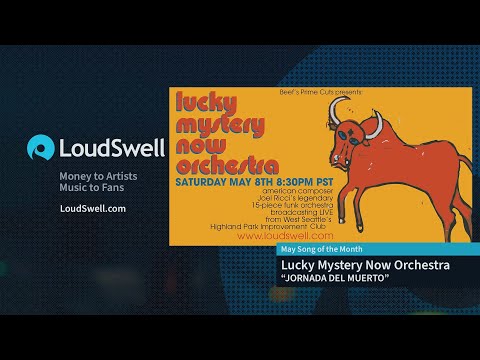
5:55May Song of the Month: Lucky Mystery Now Orchestra- "Jornada Del Muerto"
Colin Higgins
2020sLive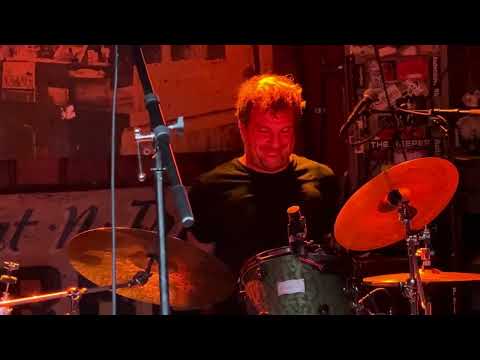 43:37
43:37Higgs Particle Live at The Blue Moon Tavern in Seattle, Washington 1/6/2024
Colin Higgins
2020sLive 4:08
4:081036 - Where Do The Children Play - Cat Stevens cover with chords and lyrics
Colin Higgins
1960sLive
More Clips5 clips
 3:25:27
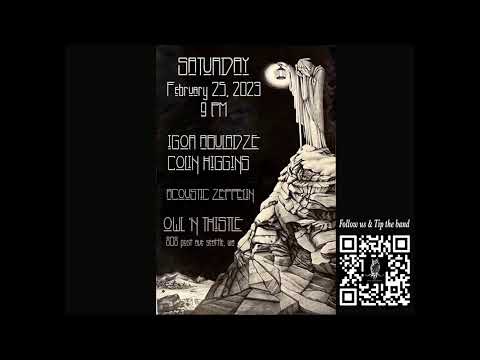
Igor Abuladze & Colin Higgins livestream from the Owl N Thistle Irish Pub
Colin Higgins
Acoustic 3:20
3:20"Where Do the Children Play" by Cat Stevens Performed by Chris Paton
Colin Higgins
1960s 3:59Advisory
What Does It Feel Like To Be A Ghost? by Taking Back Sunday 100% FBFC
Colin Higgins
 3:19
3:19I Don't Wanna Go (Short Film)
Colin Higgins
 4:25
4:25Where do the children play? - Cat Stevens
Colin Higgins
1960s