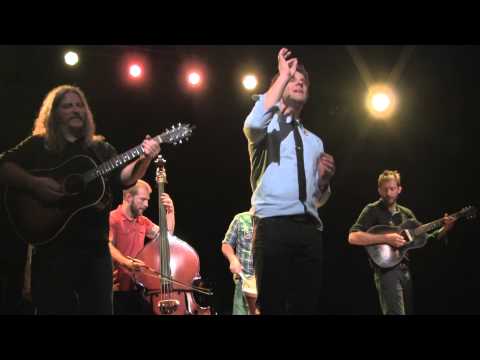
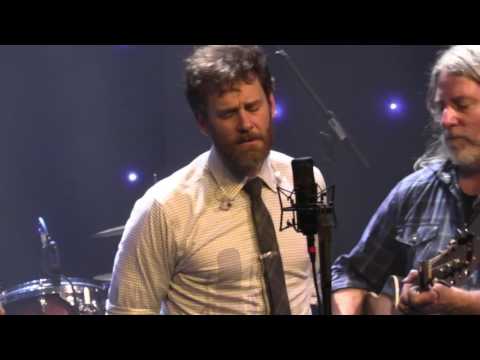
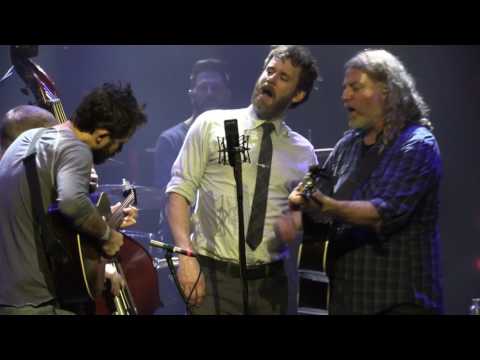
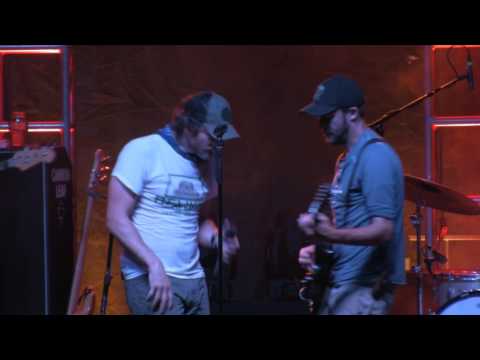
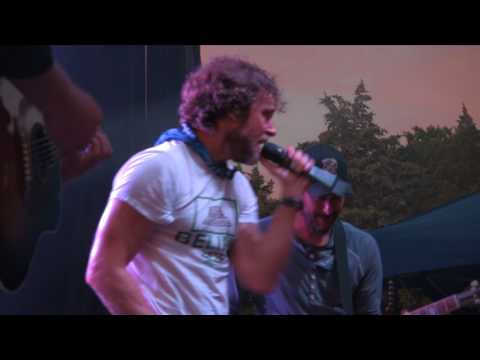
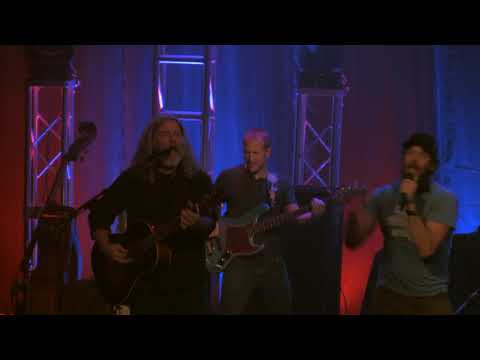
Carbon Leaf — Rare Footage & Clips
In a Richmond, Virginia, garage in 1992, Barry Privett, Carter Gravatt, and Terry Clark gathered to lay the foundation for a sound that would soon captivate audiences with its unique blend of alt-country, Celtic, and folk-infused indie rock. Carbon Leaf's early years were marked by a DIY ethos, with the trio self-releasing their debut EP in 1993. This humble beginning belied the band's ambition and creativity, which would eventually earn them a devoted following and critical acclaim.
The release of Meander in 1996 marked a significant turning point for Carbon Leaf. Produced on a shoestring budget, the album showcased the band's ability to craft infectious, harmony-rich songs that drew from traditional Celtic influences. Tracks like "River" and "Fires in the Attic" demonstrated the band's capacity for storytelling through music, a skill that would become a hallmark of their sound.
Shadows in the Banquet Hall, released just a year later, solidified Carbon Leaf's position as one of the most exciting new acts in the alt-country scene. The album's mix of introspective ballads and foot-stomping anthems earned them a devoted fan base and critical praise from publications like No Depression and Folk & Telling. These early albums laid the groundwork for the band's subsequent releases, which would continue to push the boundaries of their unique sound.
The late 1990s saw Carbon Leaf expand their sonic palette with the release of Ether: Electrified Porch Music in 1999. This album marked a significant departure from their earlier work, incorporating electronic elements and exploring themes of technology-induced alienation. Tracks like "Porch Swing" and "Burning Down the Valley" showcased the band's ability to balance traditional instrumentation with modern production techniques.
The early 2000s saw Carbon Leaf continue to evolve and refine their sound. Echo Echo (2001) and From Godwin to Scotland (2002) demonstrated a newfound emphasis on atmospheric textures and introspective songwriting. These albums cemented the band's reputation as one of the most innovative and exciting acts in the indie rock scene.
The release of 5 Alive! in 2003 marked a new era for Carbon Leaf, with the addition of Jon Markel and Jesse Humphrey to the lineup. This expanded configuration allowed the band to explore new sonic territories, incorporating elements of pop and electronic music into their sound. Tracks like "Breathe" and "Invisible" showcased the band's ability to craft catchy, radio-friendly hits while maintaining their artistic integrity.
The mid-2000s saw Carbon Leaf continue to push the boundaries of their sound with the release of Indian Summer (2004) and Love, Loss, Hope, Repeat (2006). These albums explored themes of love, loss, and redemption, cementing the band's reputation as masterful storytellers. Tracks like "Life Less Ordinary" and "The Whiskey is Fine" demonstrated the band's ability to craft songs that were both deeply personal and universally relatable.
In 2009, Carbon Leaf released Nothing Rhymes With Woman, a critically acclaimed album that saw the band exploring new sonic territories with their use of electronic elements and atmospheric textures. This album marked a significant departure from their earlier work, showcasing the band's willingness to experiment and push the boundaries of their sound.
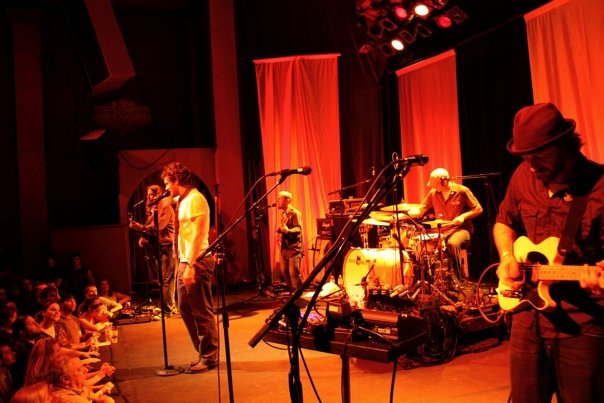
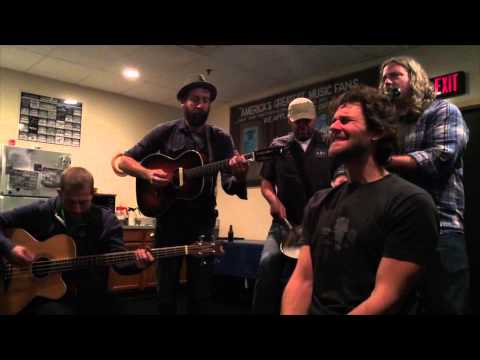
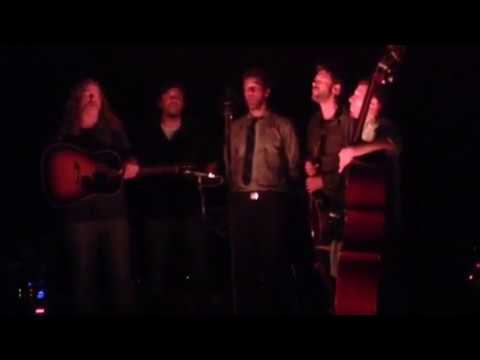
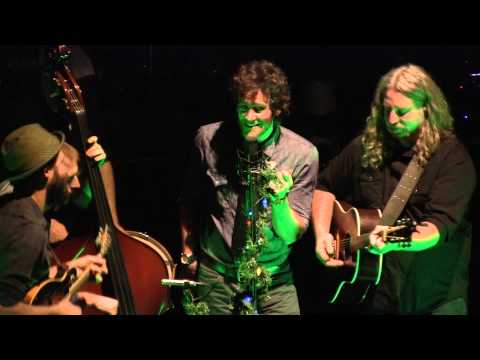
The release of Live, Acoustic…and in Cinemascope! in 2011 marked a return to Carbon Leaf's roots, with the band performing stripped-down, acoustic versions of their most beloved songs. This album showcased the band's ability to craft compelling live performances, even in the absence of elaborate production.
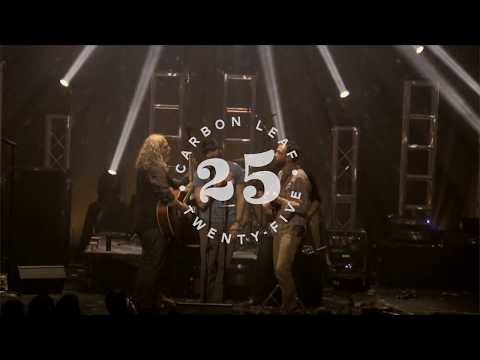
Throughout their two-decade career, Carbon Leaf has maintained a commitment to creative experimentation and artistic growth. From their early days as a DIY outfit to their current status as one of the most respected indie rock acts, the band has consistently pushed the boundaries of their sound, incorporating new influences and exploring new themes. As they continue to create and perform music, Carbon Leaf remains an essential part of the indie rock landscape, inspiring fans with their unique blend of alt-country, Celtic, and folk-infused indie rock.
The significance of Carbon Leaf's contributions to music history cannot be overstated. Their innovative use of traditional instrumentation and modern production techniques has influenced a generation of musicians, from Mumford & Sons to The Lumineers. Their commitment to creative experimentation and artistic growth has set them apart as one of the most exciting and enduring acts in the indie rock scene.
As we look back on Carbon Leaf's remarkable career, it is clear that their music has left an indelible mark on the world of indie rock. From their early days in a Richmond garage to their current status as one of the most respected acts in the genre, the band has consistently pushed the boundaries of their sound, inspiring fans with their unique blend of alt-country, Celtic, and folk-infused indie rock.
Curated from public records and music databases.