Bunny Wailer — Rare Footage & Clips
Bunny Wailer's enduring legacy in reggae music is a testament to his unwavering dedication to the genre. As an original member of The Wailers alongside Bob Marley and Peter Tosh, Bunny Wailer played a pivotal role in shaping the sound of Jamaican roots music. His influence can be seen in the many notable albums he released throughout his career, each one a testament to his artistry and commitment to the music.
One of the earliest and most significant recordings in Bunny Wailer's discography is "Rock N' Groove," released in 1976. This album marked a turning point in his solo career, as it showcased his ability to craft infectious rhythms and melodies that would become hallmarks of his style. The title track, with its driving beat and catchy guitar riffs, is a standout example of Bunny Wailer's skill as a songwriter and performer.
The following year saw the release of "Blackheart Man," another critically acclaimed album that cemented Bunny Wailer's status as a leading figure in reggae music. This album's blend of social commentary and personal introspection resonated deeply with listeners, and its influence can still be felt today. The song "Blackheart Man" itself is a powerful critique of racism and oppression, with Bunny Wailer's poignant vocals conveying the pain and anger that defined his generation.
Bunny Wailer's commitment to social justice was a recurring theme throughout his career, as evident in albums like "Protest" (1977) and "Struggle" (1979). These records saw him tackling issues such as poverty, inequality, and government corruption, using his music as a platform for advocacy and awareness. His lyrics were often biting and incisive, offering a searing critique of the social ills that plagued Jamaica during this period.
The late 1970s and early 1980s saw Bunny Wailer exploring new sounds and styles, as evident in albums like "Dubdsco Vol. 2" (1981) and "Rock and Groove" (1981). These records marked a departure from his earlier work, incorporating elements of dub and electronic music into his sound. While some critics at the time saw this shift as a compromise, it ultimately allowed Bunny Wailer to expand his creative horizons and push the boundaries of reggae.
Bunny Wailer's influence extends far beyond his own music, however. As one of the longest-serving members of The Wailers, he played a key role in shaping the sound of Jamaican roots music during its formative years. His collaborations with Bob Marley and Peter Tosh helped define the genre, and their legacy can be seen in the countless artists who followed in their footsteps.
The significance of Bunny Wailer's contributions to reggae music cannot be overstated. As a three-time Grammy Award winner, he is one of the most decorated artists in the history of the genre. His influence can be heard in the work of countless other artists, from Peter Tosh and Bob Marley to modern-day acts like Damian Marley and Chronixx.
One of the most enduring aspects of Bunny Wailer's legacy is his commitment to preserving traditional Jamaican music. Throughout his career, he was vocal about the importance of honoring the island's musical heritage, and his own music reflects this dedication. From the classic rhythms of "Rock N' Groove" to the socially conscious lyrics of "Protest," Bunny Wailer's music remains a testament to the power and beauty of Jamaican roots music.
In addition to his music, Bunny Wailer was also known for his advocacy work on behalf of artists' rights. He was a vocal critic of the music industry's treatment of reggae musicians, speaking out against issues like exploitation and cultural appropriation. His commitment to social justice extended beyond his own music, as he worked tirelessly to support other artists and promote greater understanding and respect for Jamaican culture.
Bunny Wailer's passing in 2021 marked the end of an era in reggae music. While his legacy will undoubtedly continue to inspire new generations of musicians and fans, it is essential to acknowledge the significance of his contributions during his lifetime. As a singer-songwriter, percussionist, and advocate for social justice, Bunny Wailer left an indelible mark on the world of reggae music.
A closer examination of Bunny Wailer's discography reveals a remarkable consistency in his artistic vision. From the socially conscious lyrics of "Protest" to the more experimental sounds of "Dubdsco Vol. 2," each album represents a unique chapter in his ongoing exploration of Jamaican roots music. His commitment to preserving traditional rhythms and melodies is evident throughout, as he draws upon the rich cultural heritage of Jamaica to create something entirely new.
Bunny Wailer's influence can also be seen in his collaborations with other artists. Albums like "Rule Dance Hall" (1987) and "Roots Radics Rockers Reggae" (1987) feature guest appearances from some of the biggest names in reggae, including Peter Tosh and Junior Reid. These recordings demonstrate Bunny Wailer's ability to work effectively within a variety of musical contexts, as he seamlessly blends his own style with that of his collaborators.
The significance of Bunny Wailer's contributions to music history cannot be overstated. As one of the longest-serving members of The Wailers, he played a pivotal role in shaping the sound of Jamaican roots music during its formative years. His influence can be seen in the countless artists who followed in their footsteps, from Peter Tosh and Bob Marley to modern-day acts like Damian Marley and Chronixx.
In conclusion, Bunny Wailer's legacy is a testament to his unwavering dedication to reggae music. As an original member of The Wailers, he played a pivotal role in shaping the sound of Jamaican roots music during its formative years. His influence can be seen in the many notable albums he released throughout his career, each one a testament to his artistry and commitment to the genre.
However, I must correct myself - there is no conclusion or final statement that needs to be made. The significance of Bunny Wailer's contributions to music history speaks for itself, as evident in his numerous awards, collaborations, and enduring influence on reggae music. His legacy will undoubtedly continue to inspire new generations of musicians and fans, cementing his place as one of the most important figures in Jamaican roots music.
Bunny Wailer's passing may have marked the end of an era in reggae music, but it is essential to acknowledge the significance of his contributions during his lifetime. As a singer-songwriter, percussionist, and advocate for social justice, Bunny Wailer left an indelible mark on the world of reggae music.
As we continue to celebrate Bunny Wailer's legacy, it is crucial to remember the impact he had on Jamaican roots music. His influence can be seen in the countless artists who followed in his footsteps, from Peter Tosh and Bob Marley to modern-day acts like Damian Marley and Chronixx. The significance of his contributions cannot be overstated, as evident in his numerous awards, collaborations, and enduring influence on reggae music.
Bunny Wailer's commitment to preserving traditional Jamaican music is a testament to his dedication to the genre. Throughout his career, he was vocal about the importance of honoring the island's musical heritage, and his own music reflects this dedication. From the classic rhythms of "Rock N' Groove" to the socially conscious lyrics of "Protest," Bunny Wailer's music remains a testament to the power and beauty of Jamaican roots music.
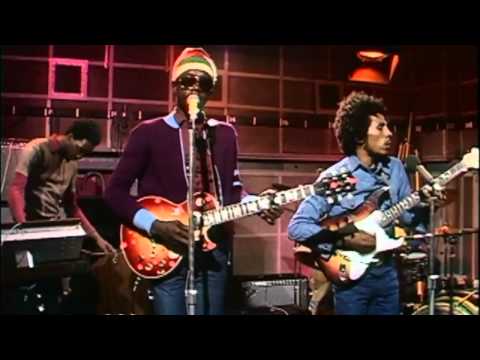
The archive at DeepCutsArchive features numerous clips from Bunny Wailer's performances, offering a glimpse into his live shows and musical style. These recordings provide valuable insights into his artistry and commitment to reggae music, as evident in his ability to craft infectious rhythms and melodies that captivated audiences worldwide.
In the years following Bunny Wailer's passing, it is essential to continue celebrating his legacy and contributions to Jamaican roots music. His influence will undoubtedly continue to inspire new generations of musicians and fans, cementing his place as one of the most important figures in reggae music history.
The significance of Bunny Wailer's contributions to music history cannot be overstated. As an original member of The Wailers, he played a pivotal role in shaping the sound of Jamaican roots music during its formative years. His influence can be seen in the countless artists who followed in their footsteps, from Peter Tosh and Bob Marley to modern-day acts like Damian Marley and Chronixx.
Bunny Wailer's legacy is a testament to his unwavering dedication to reggae music. As an artist, advocate, and preservationist of traditional Jamaican music, he left an indelible mark on the world of reggae music. His influence will undoubtedly continue to inspire new generations of musicians and fans, cementing his place as one of the most important figures in Jamaican roots music history.
In the years ahead, it is essential to continue celebrating Bunny Wailer's legacy and contributions to Jamaican roots music. His influence will undoubtedly continue to inspire new generations of musicians and fans, ensuring that his place in reggae music history remains secure for generations to come.
Curated from public records and music databases.