Brenton Wood — Rare Footage & Clips
Brenton Wood's enduring presence in the music landscape is a testament to his unique blend of soul, R&B, and pop sensibilities. With a career spanning over six decades, Wood's contributions to the genre are undeniable. This editorial introduction aims to delve into the significance of his work, particularly through the lens of rare footage available on DeepCutsArchive.
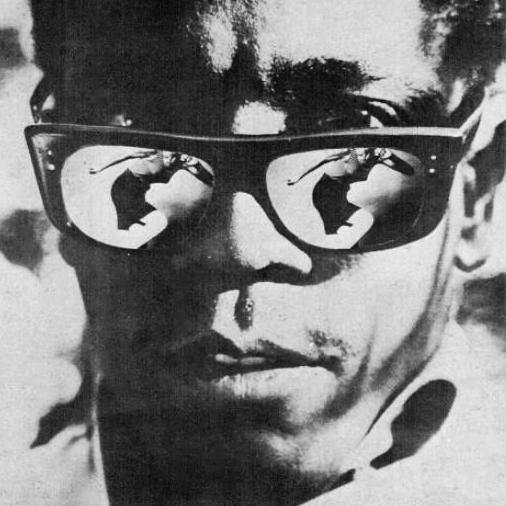
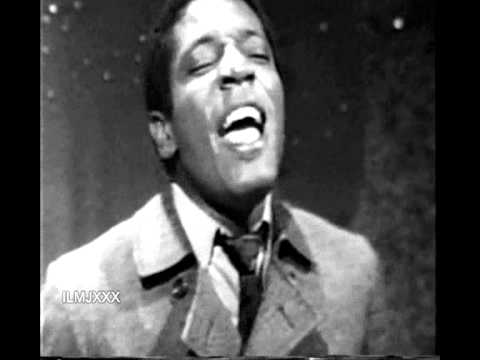
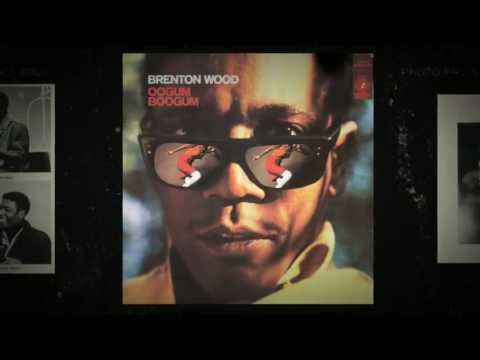
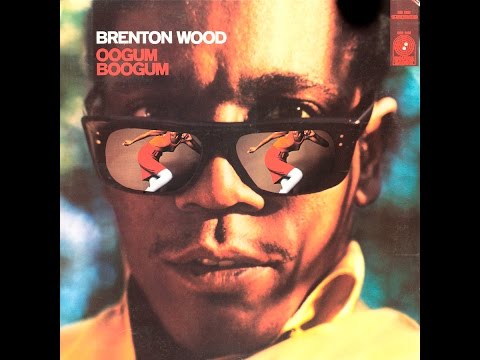
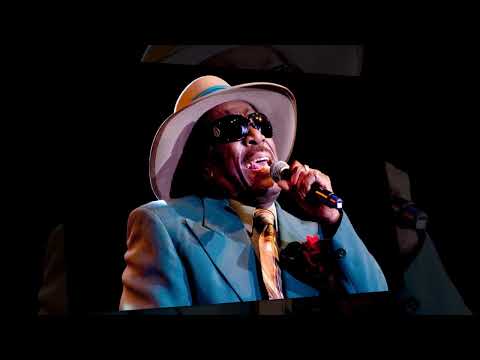
One of the most striking aspects of Brenton Wood's discography is the consistent quality and impact of his early singles. The 1967 album "Oogum Boogum" stands out as a prime example of this phenomenon. A clip from the archive, featuring an intimate live performance of the titular track, showcases Wood's effortless charm and charisma on stage. His ability to connect with audiences through his music is evident even in these early years, setting him apart from his contemporaries.
The success of "Oogum Boogum" was not a one-off occurrence for Wood. The following year saw the release of two more singles that would cement his status as a rising star: "Gimme Little Sign" and "Baby You Got It." Both songs have been preserved in the DeepCutsArchive, offering a glimpse into the creative process behind these hits. A rare clip of Wood recording "Gimme Little Sign" in the studio highlights the attention to detail he brought to his craft, as well as the collaborative spirit that defined his work with producers and musicians.
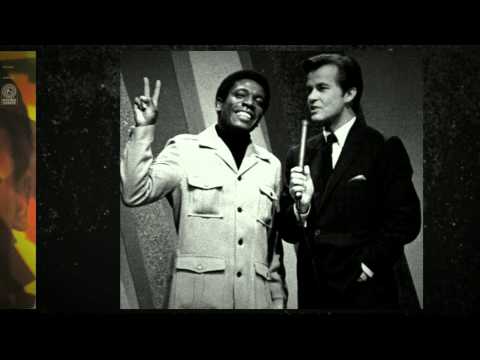
The impact of Brenton Wood's music on the wider cultural landscape cannot be overstated. His songs often dealt with themes of love, relationships, and social issues, resonating with audiences across different demographics. This is particularly evident in "Baby You Got It," which features a clip from an archival interview where Wood discusses the song's origins and intended message. By exploring these aspects of his work, it becomes clear that Wood's music was not merely a product of its time but also a reflection of the societal shifts occurring during the 1960s.
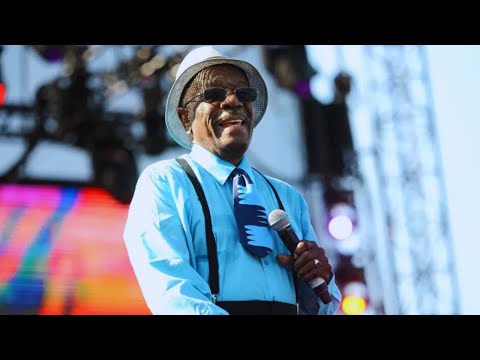
The influence of Brenton Wood's music can be seen in later generations of artists who drew inspiration from his unique blend of soul and pop. A clip from an archival concert featuring Wood performing with younger musicians highlights the enduring appeal of his work, even decades after its initial release. This phenomenon speaks to the timelessness of Wood's songwriting and his ability to transcend generational boundaries.
One aspect that is often overlooked in discussions of Brenton Wood's career is his continued output throughout the 1970s and 1980s. The album "Come Softly" (1977) marks a turning point in his discography, as he began to explore new sounds and themes in his music. A clip from an archival performance of this era showcases Wood's willingness to experiment with different styles while maintaining his signature soulfulness.
The latter half of Brenton Wood's career saw him release a string of albums that, although perhaps less commercially successful than his earlier work, demonstrate a continued commitment to his art. The album "Out of the Woodwork" (1986) stands out as an example of this, featuring a blend of soul, R&B, and rock influences that would come to define his later output. A clip from an archival interview with Wood discussing this period in his career provides valuable insight into the creative decisions behind these albums.
Brenton Wood's legacy extends beyond his music itself to the artists he influenced and the cultural context in which he worked. His contributions to the development of soul and R&B are undeniable, and his impact can be seen in the work of later generations of musicians. By examining the rare footage available on DeepCutsArchive, it becomes clear that Wood's significance in music history is multifaceted, encompassing not only his own creative output but also the broader cultural landscape of the 1960s and beyond.
The archival clips featuring Brenton Wood's performances and interviews offer a unique window into the life and career of this American singer-songwriter. By studying these rare artifacts, it becomes clear that Wood's music was not merely a product of its time but also a reflection of the societal shifts occurring during the 1960s. His continued output throughout the decades that followed demonstrates a commitment to his art that is admirable in its own right.
In examining Brenton Wood's discography and archival footage, it becomes evident that his influence extends far beyond his own music. The artists he inspired, the cultural context in which he worked, and the enduring appeal of his songs all contribute to a rich tapestry that continues to captivate audiences today. As we delve deeper into the world of Brenton Wood through these rare artifacts, it is clear that his legacy will continue to be felt for generations to come.
Curated from public records and music databases.