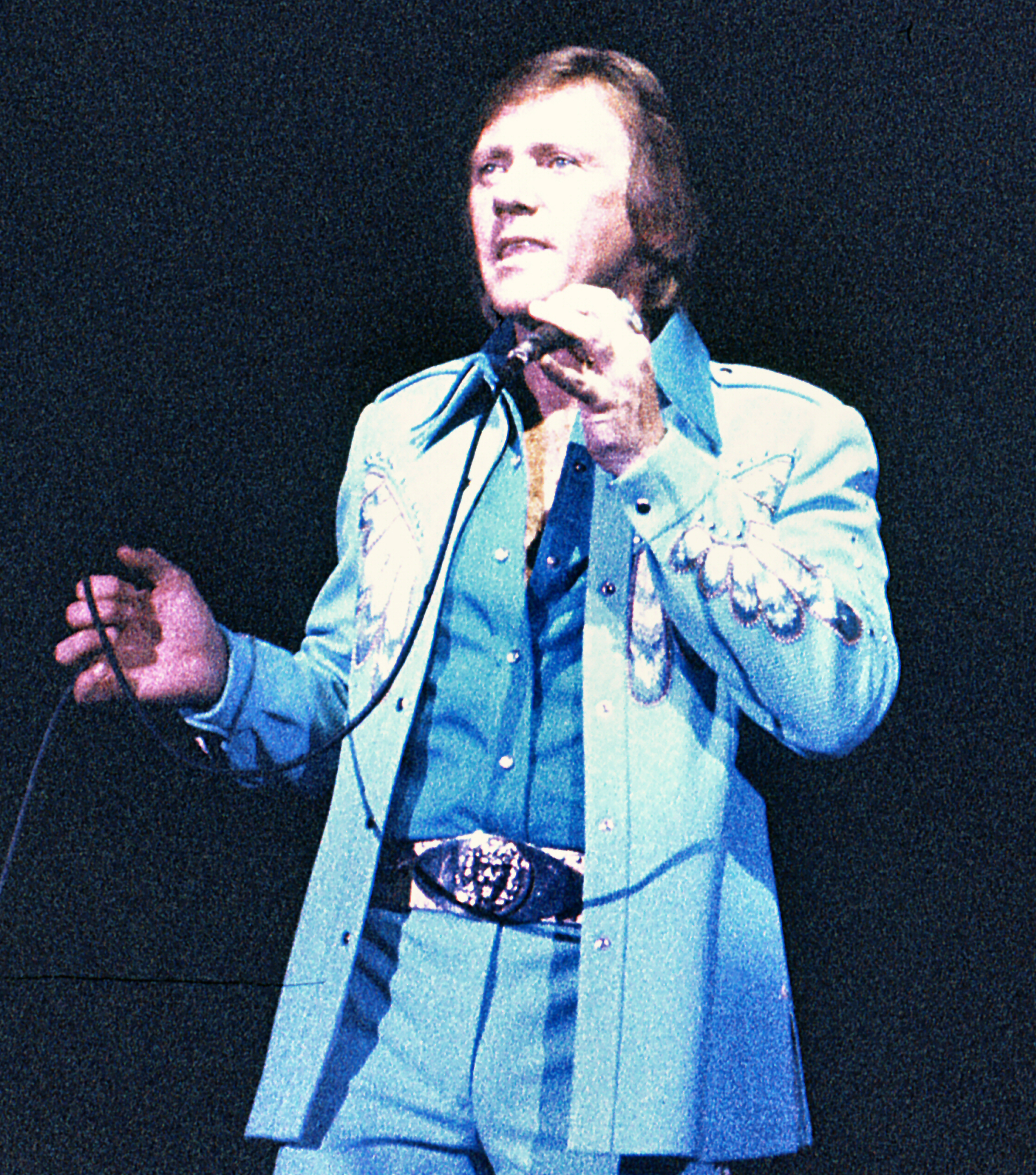
Bobby Hatfield — Rare Footage & Clips
Bobby Hatfield's voice soared through the annals of music history like a golden ray of sunshine on a summer day. That unmistakable tenor, rich with emotion and depth, left an indelible mark on the genre. His partnership with Bill Medley as the Righteous Brothers is etched in the collective consciousness of music enthusiasts worldwide.
In 1965, Hatfield's solo vocals on "Unchained Melody" showcased his remarkable range and expressiveness. The song has since become a timeless classic, its haunting melody forever intertwined with the memories of those who first heard it. The Righteous Brothers' rendition of this standard is often cited as one of the greatest vocal performances in pop music history.
The duo's unique blend of harmony and counterpoint was a hallmark of their sound. Hatfield's voice, in particular, added a distinctive timbre to their recordings. His ability to convey vulnerability and longing through his singing made him an integral part of the Righteous Brothers' success. Their iconic hit "You've Lost That Lovin' Feelin'" (1964) still sends shivers down the spines of listeners who recall its first release.
Messin' in Muscle Shoals, released in 1971, marked a significant departure from their earlier work. Produced by Jerry Wexler and Arif Mardin, this album saw Hatfield and Medley exploring new territory with a more soulful and experimental sound. The result was an innovative fusion of rock, R&B, and country that would influence generations to come.
Hatfield's solo career, though not as extensively documented as his work with the Righteous Brothers, yielded some remarkable gems. "The Other Brother - A Solo Anthology 1965-1970" (2017) offers a fascinating glimpse into his development as an artist outside of his partnership with Medley. This compilation highlights Hatfield's ability to craft memorable melodies and poignant lyrics that resonated with audiences.
In recent years, the music world has rediscovered the Righteous Brothers' legacy through various reissues and anthologies. Stay With Me: The Richard Perry Sessions (2020) is a testament to their enduring appeal. This collection of previously unreleased tracks, produced by the renowned Richard Perry, showcases Hatfield's continued growth as an artist and his willingness to experiment with new sounds.
Beyond his musical contributions, Hatfield's personal story offers a poignant reminder of the transience of life. Born on August 10, 1940, he passed away on November 5, 2003, leaving behind a legacy that continues to inspire and captivate audiences worldwide. His partnership with Bill Medley was more than just a musical collaboration – it was a testament to the power of friendship and creative synergy.
The Righteous Brothers' impact on music history cannot be overstated. Their influence can be heard in countless artists who followed in their footsteps, from The Temptations to The Four Tops. Hatfield's unique voice and style have become an integral part of the musical landscape, forever etched in the memories of those who first heard him sing.
In the world of music, few voices have left as lasting an impression as Bobby Hatfield's. His legacy serves as a poignant reminder of the transformative power of art to transcend time and touch our hearts. As we continue to explore the rich tapestry of his work, we are reminded that even in death, his voice lives on – a golden ray of sunshine illuminating the darkness, guiding us through the complexities of life with its timeless beauty and emotional depth.
The echoes of Hatfield's tenor still linger in our collective consciousness, a testament to the enduring power of music to connect us all. His story serves as a poignant reminder that even in the face of adversity, art can transcend mortality, leaving behind a legacy that continues to inspire and captivate generations to come.
Curated from public records and music databases.